

Occupancy rate
67%
 In line with North Carolina average
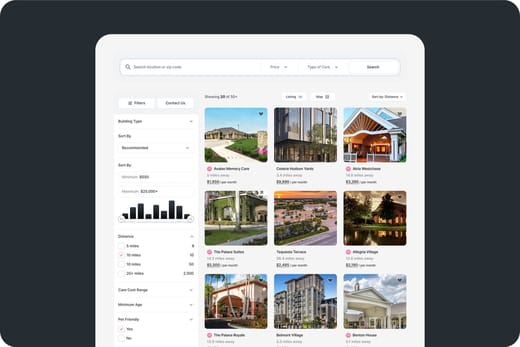
We arrange tours, appointments, and even moving support so you don’t have to

Thank you for your interest!
Our team will be in touch shortly to help with next steps.
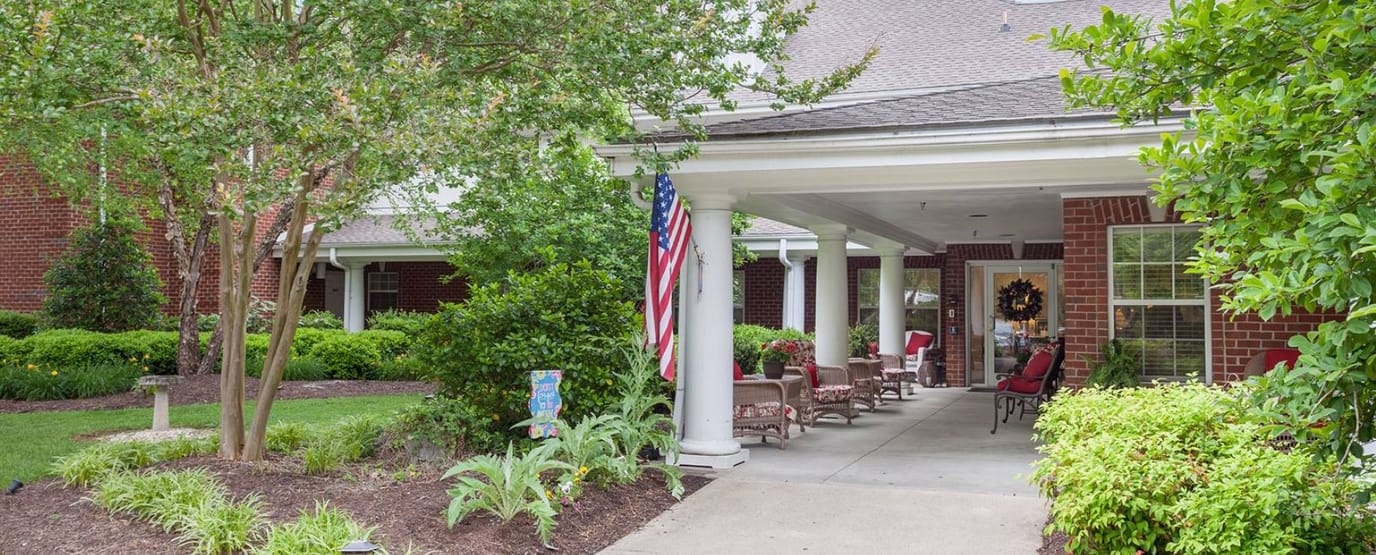
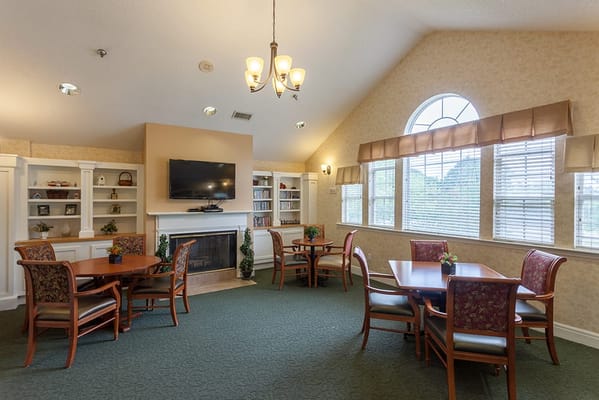
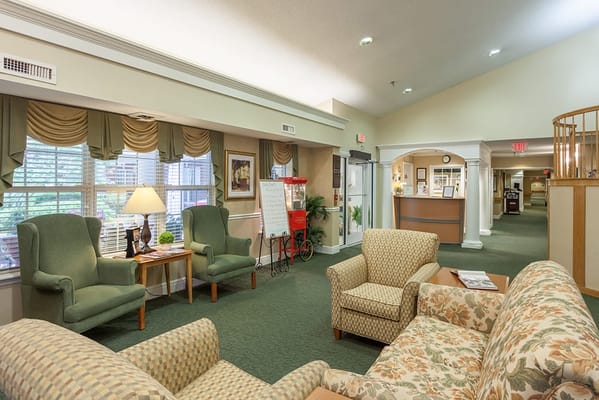
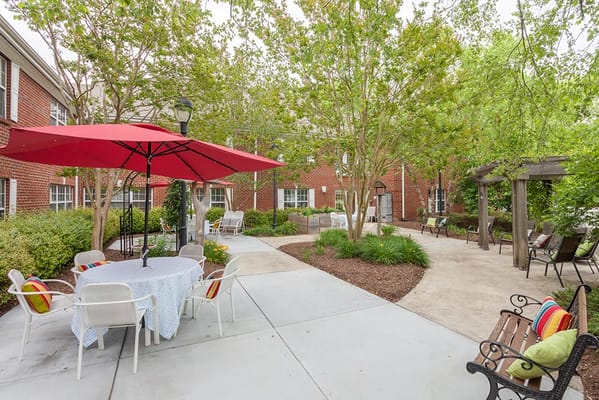


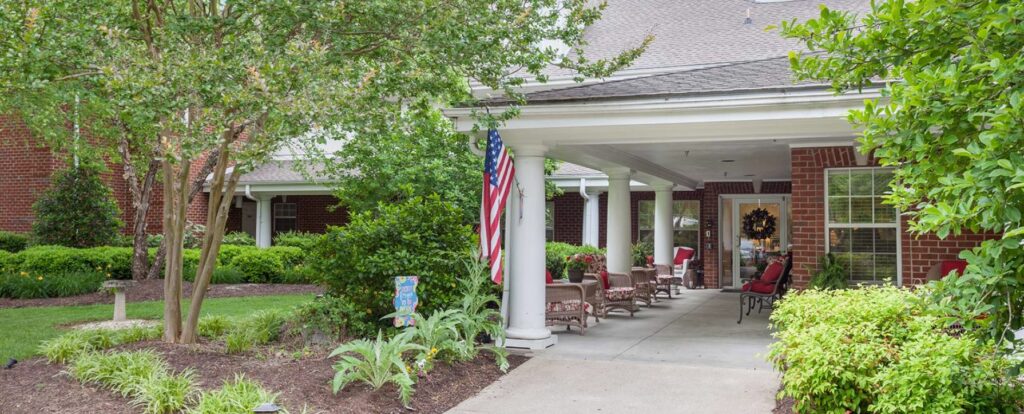
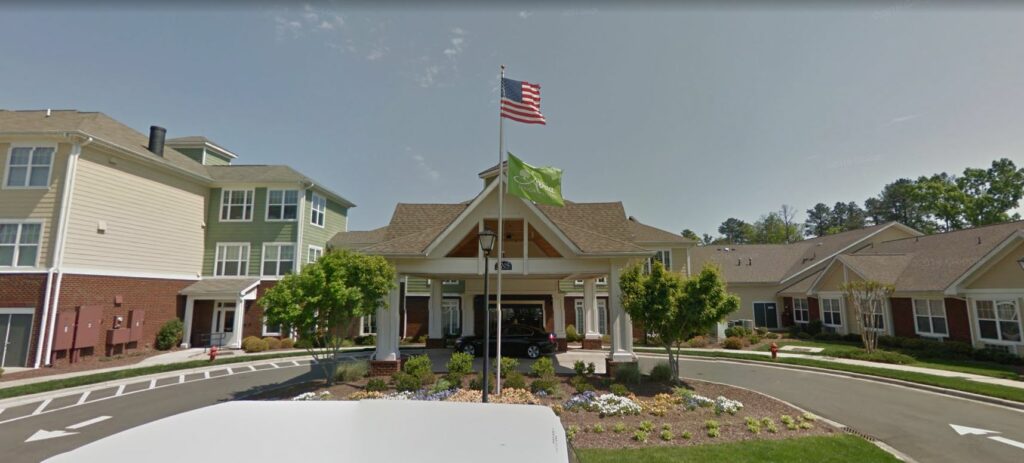
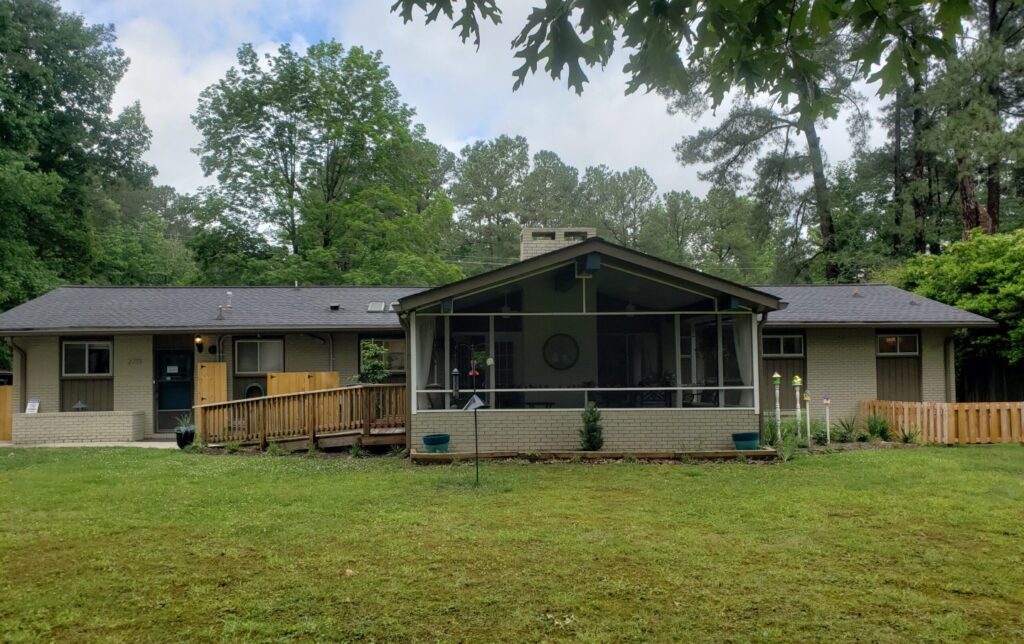
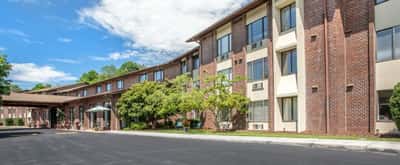
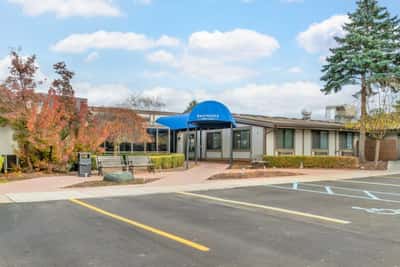
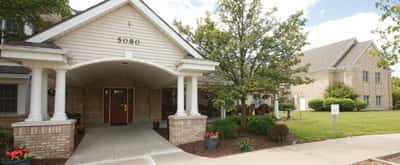
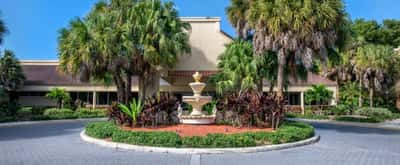
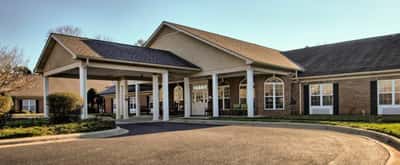
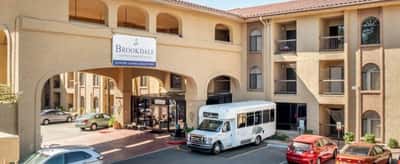
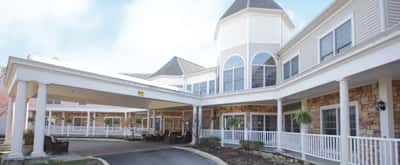
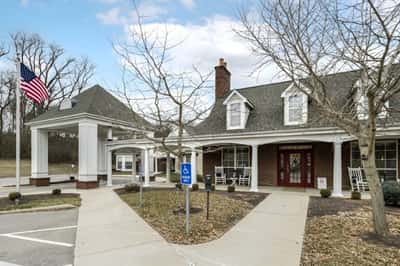
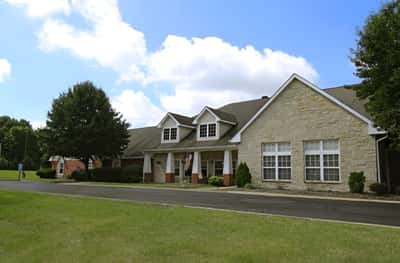
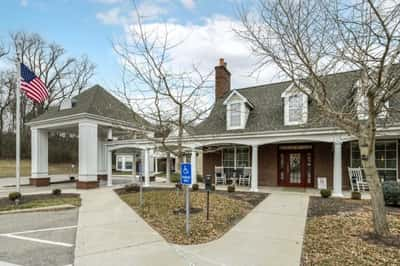
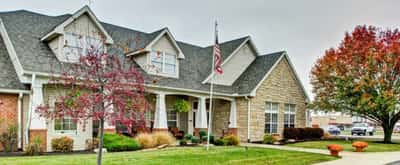
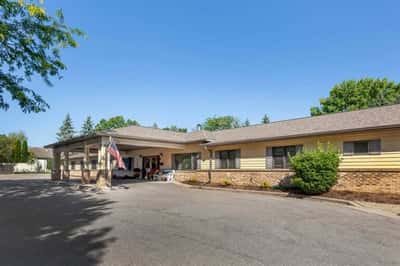
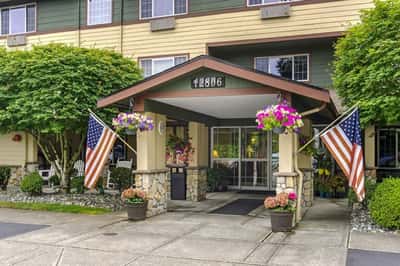
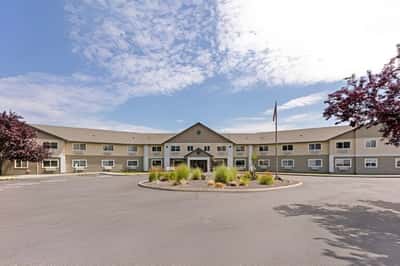
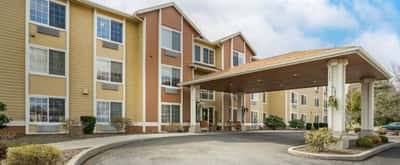
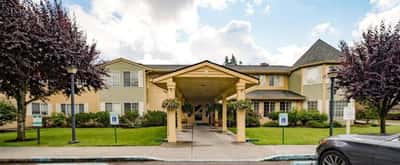
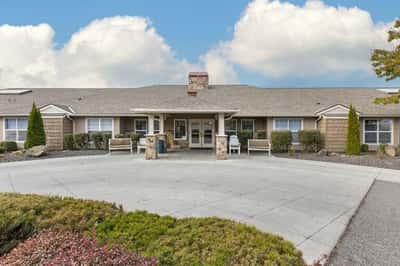
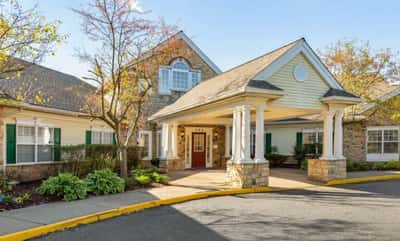
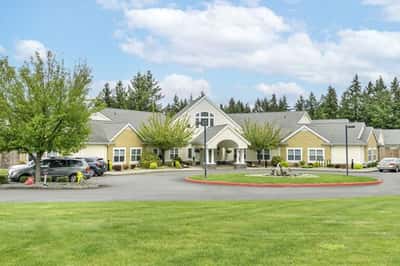
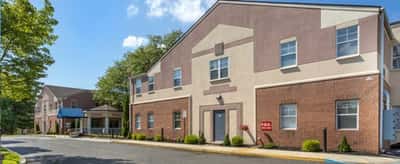
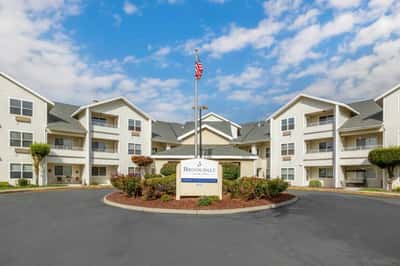
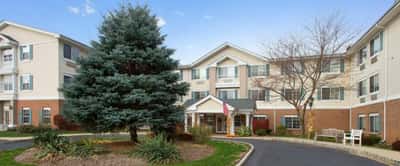
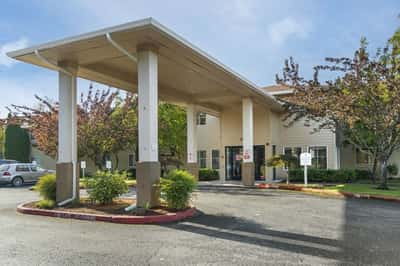
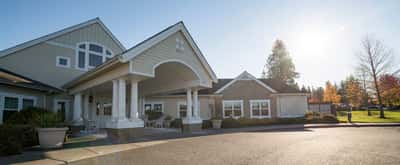
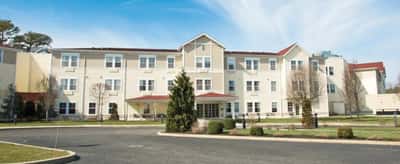
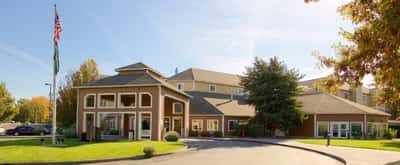
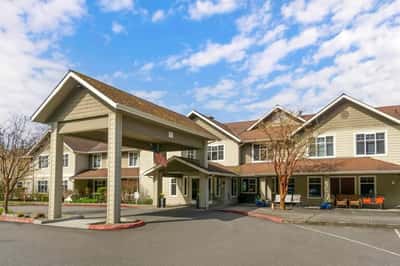
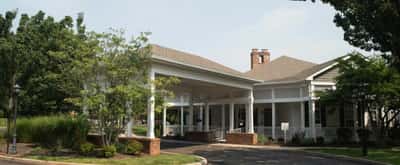
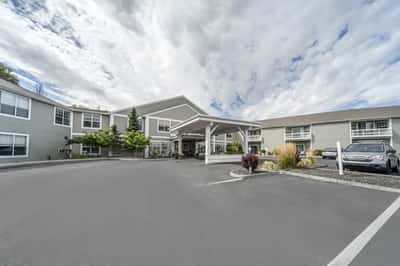
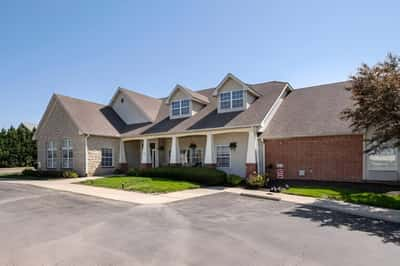
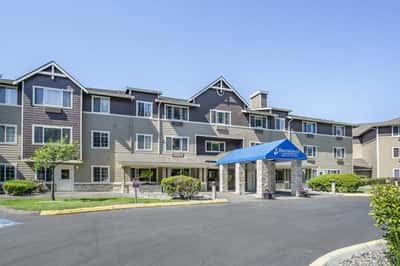
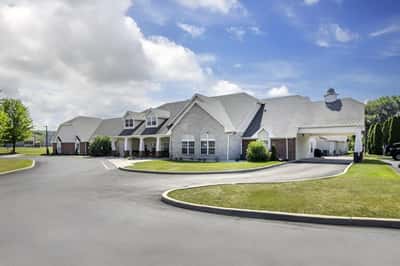
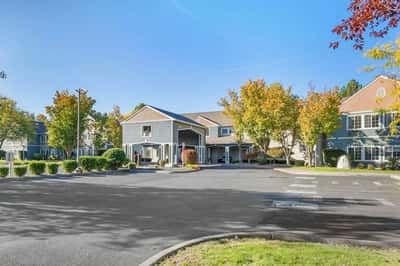
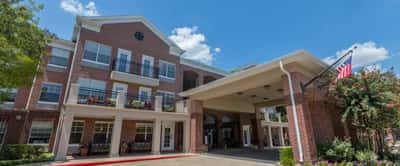
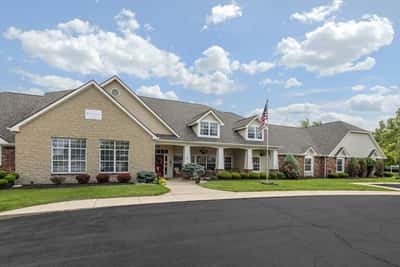
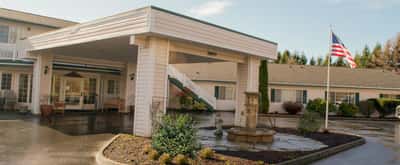
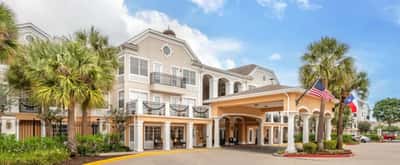
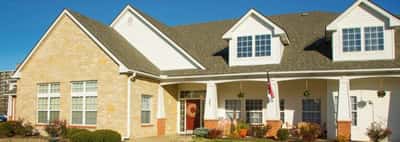
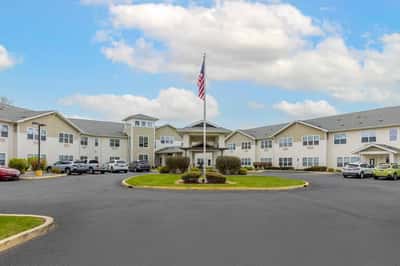
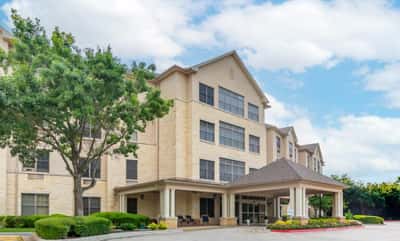
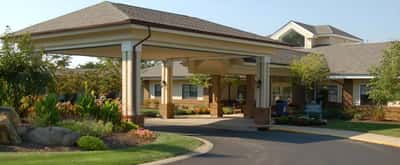
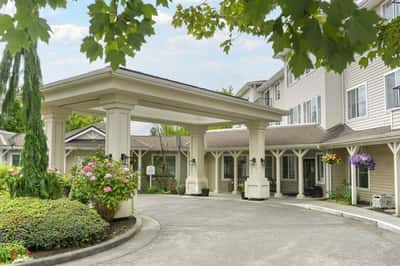
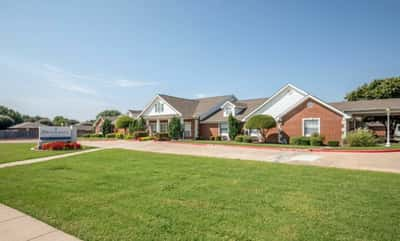
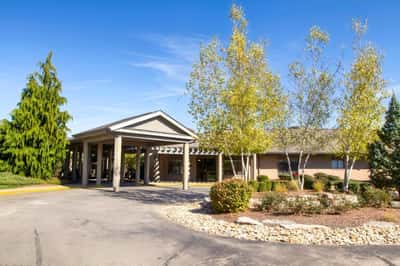
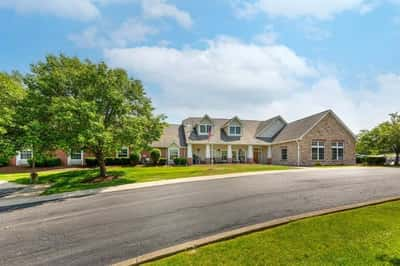
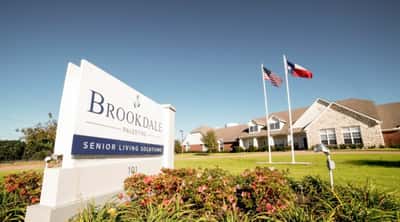
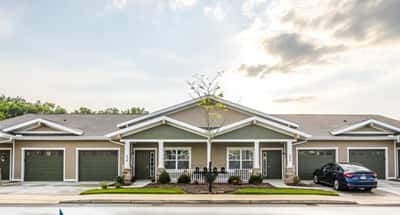
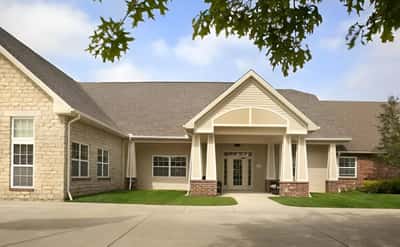
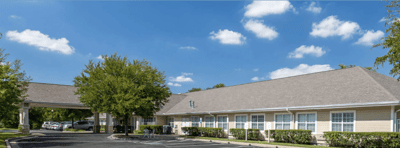
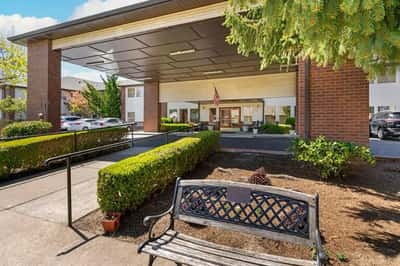
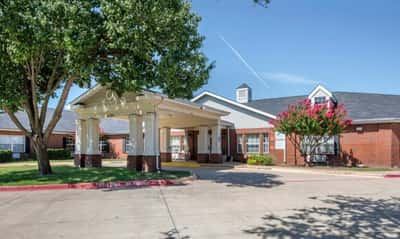
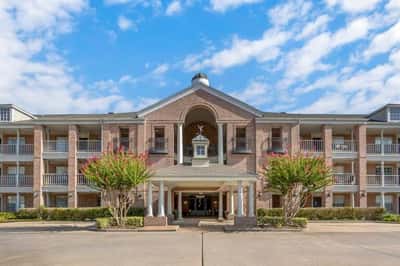
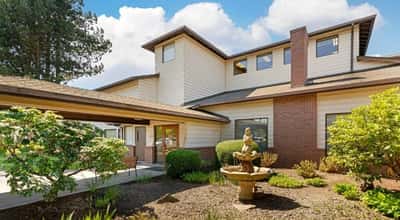
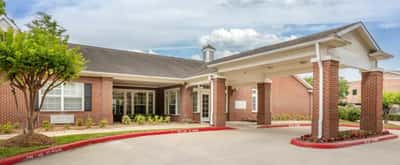
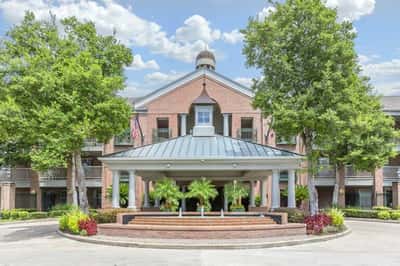
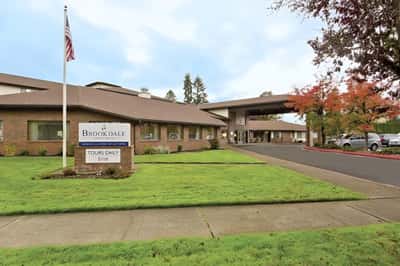
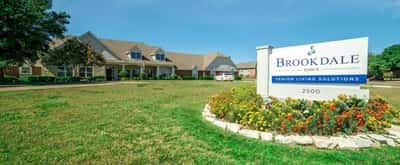
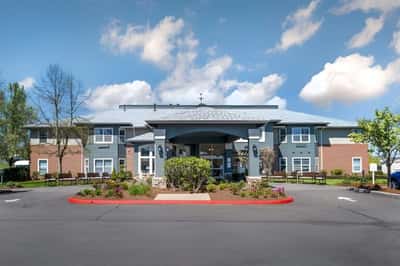
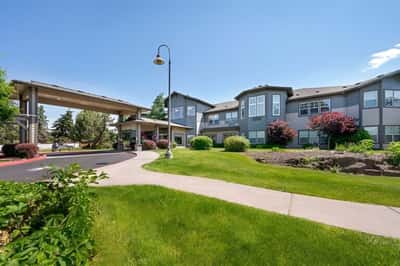
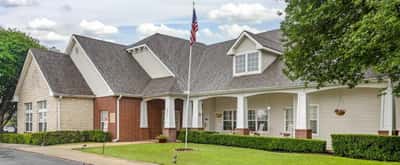
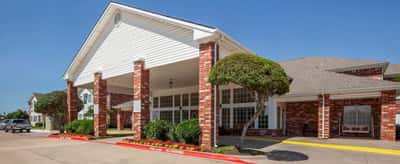
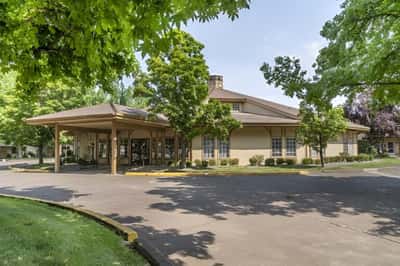
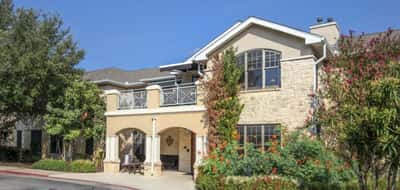
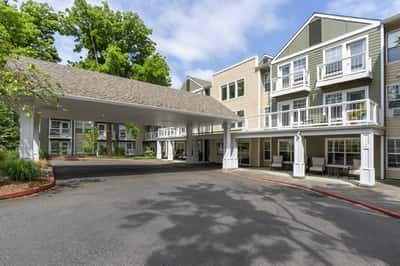
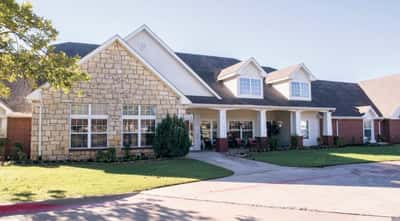
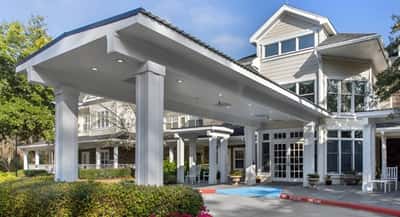
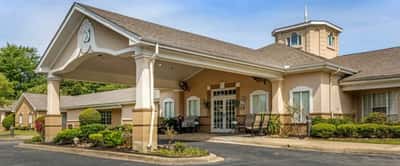
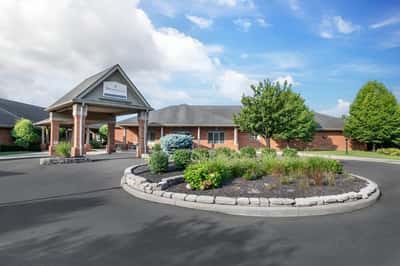
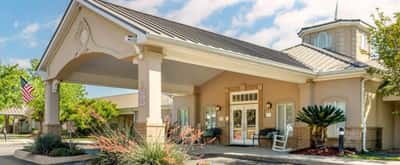
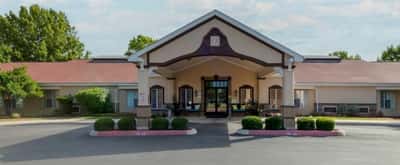
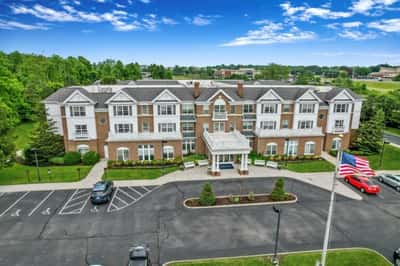
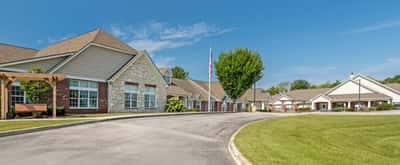
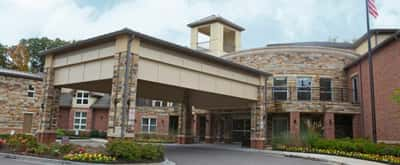
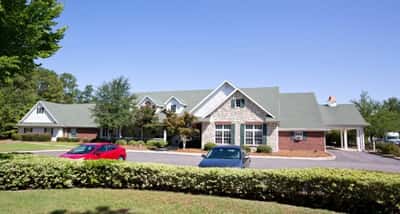
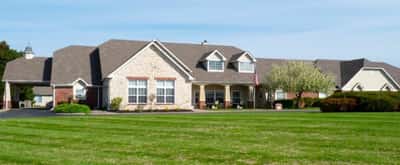
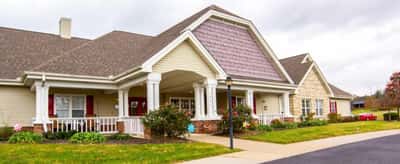
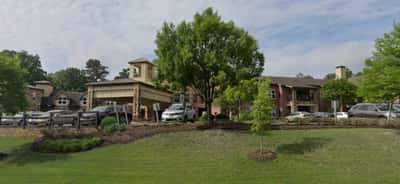
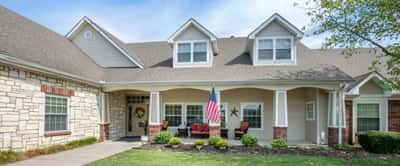
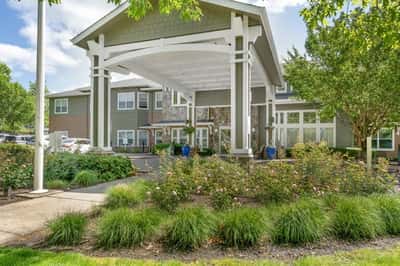
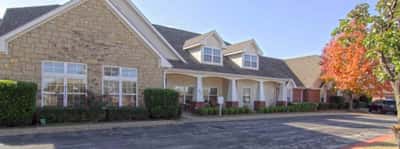
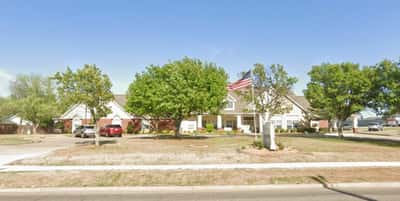
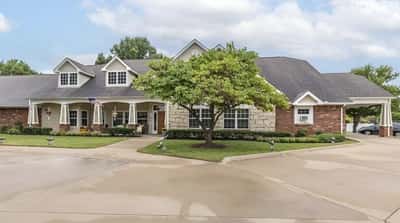
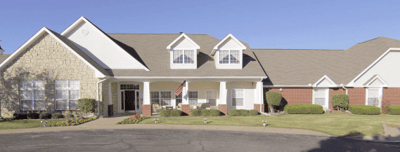
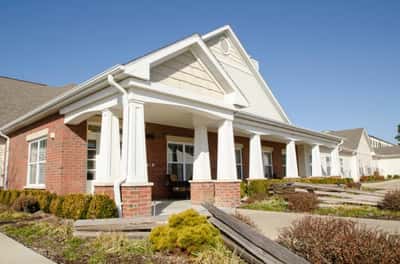
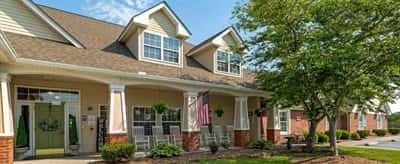
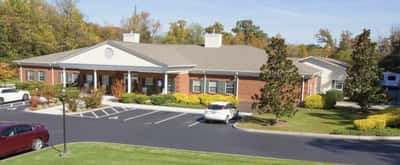
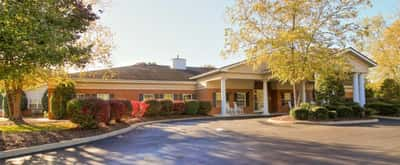
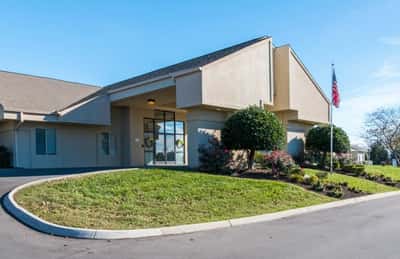
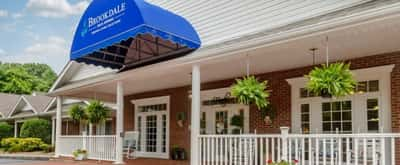
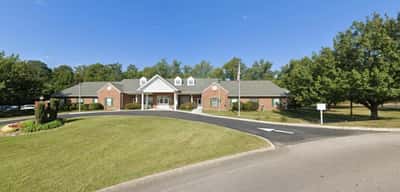
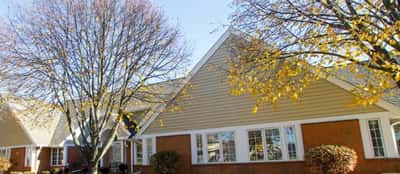
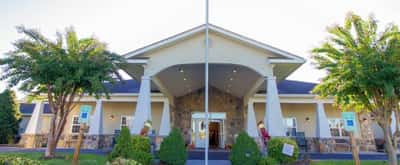
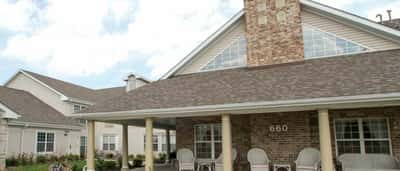
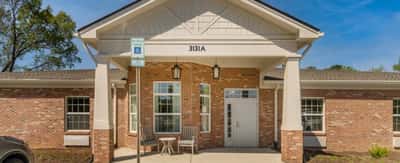
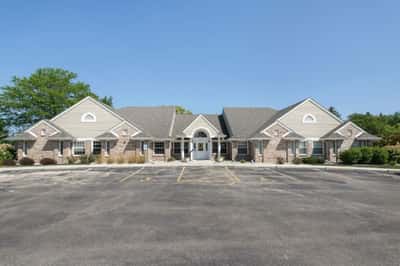
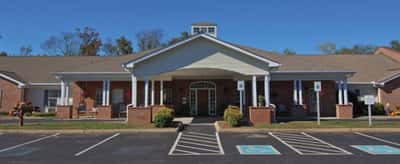
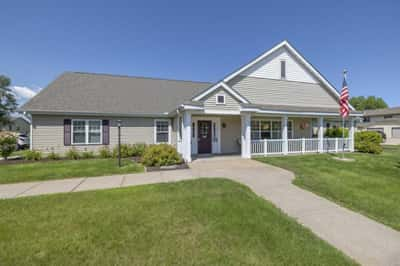
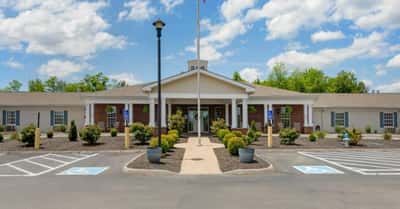
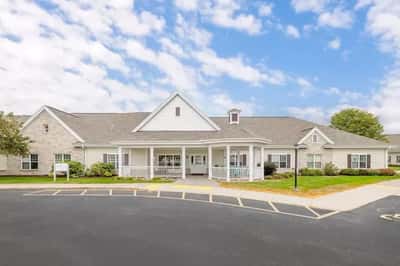
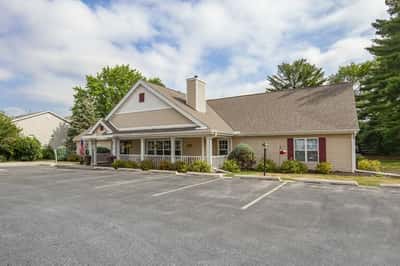
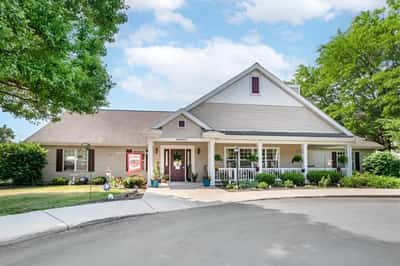
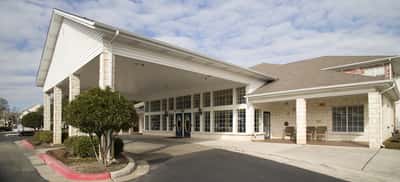
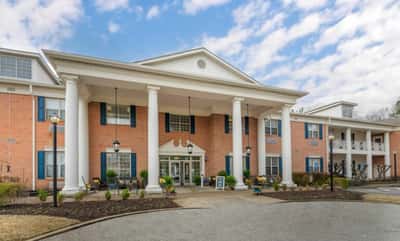
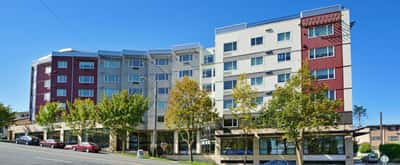
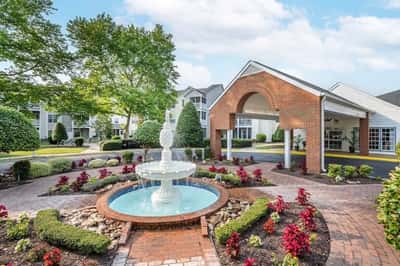
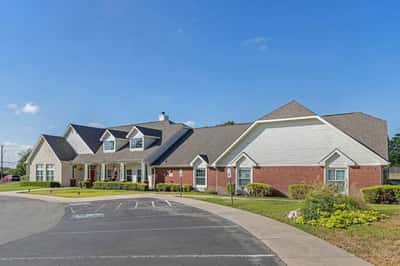
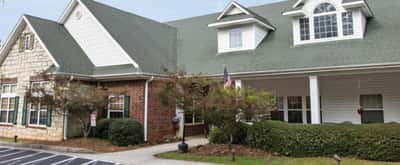
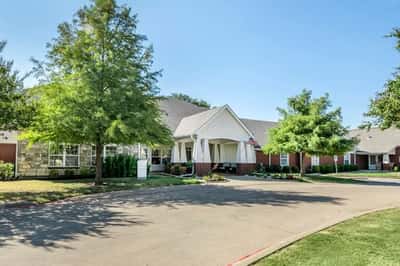
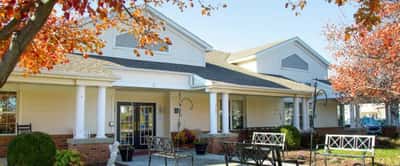
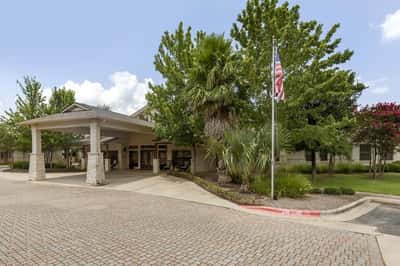
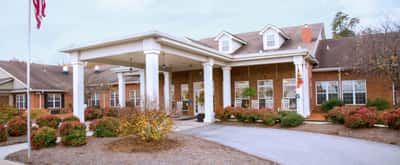
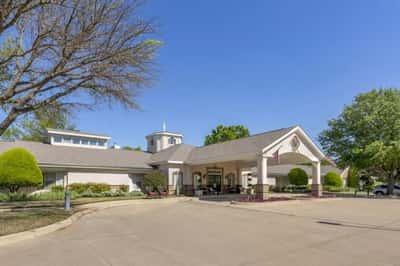
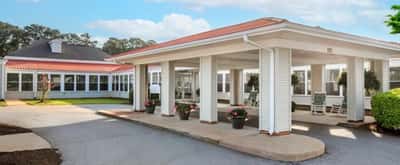
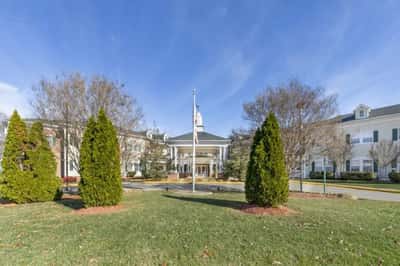
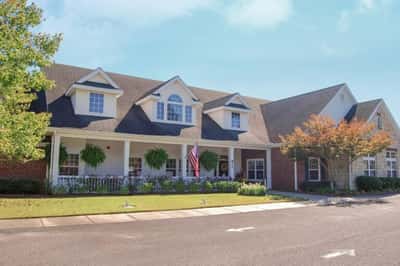
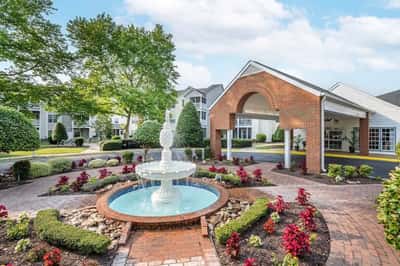
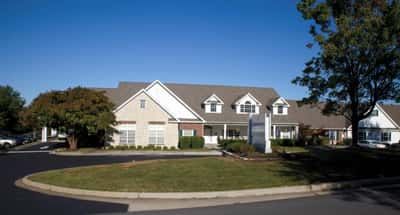
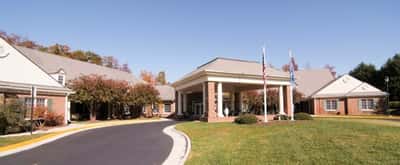
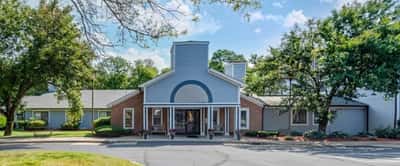
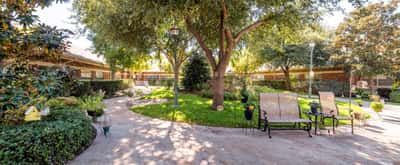
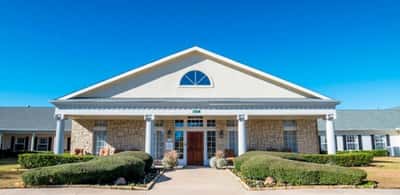
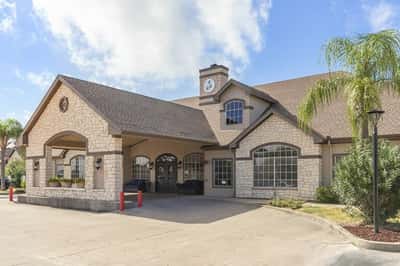
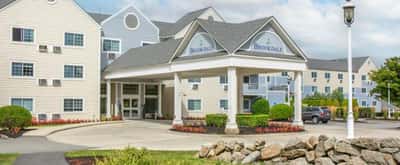
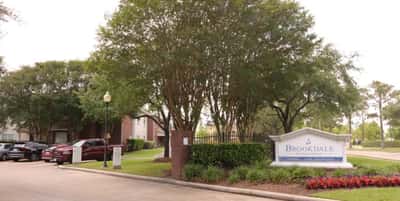
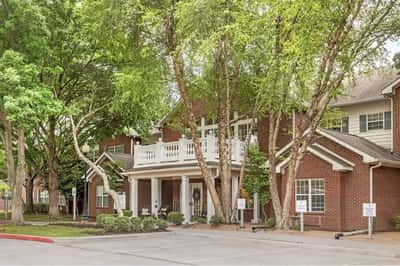
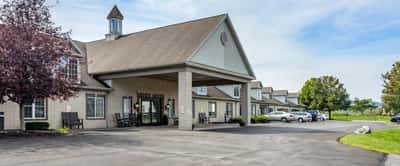
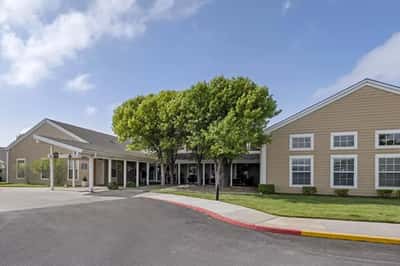
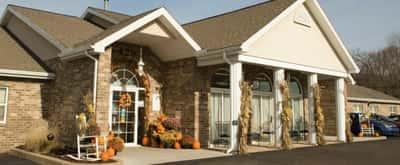
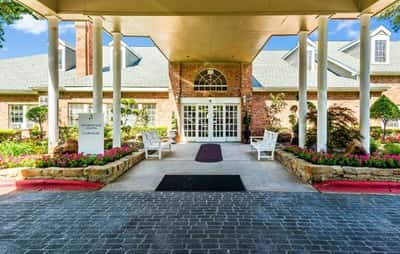
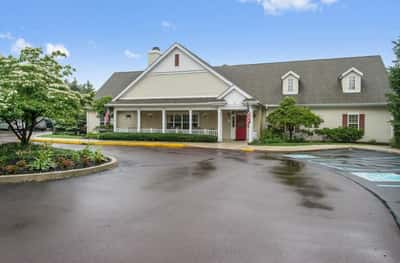
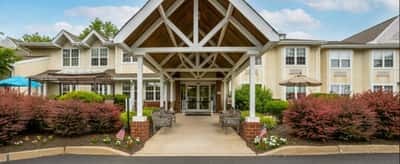
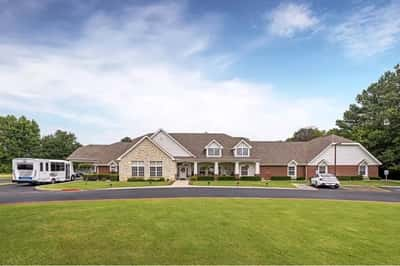
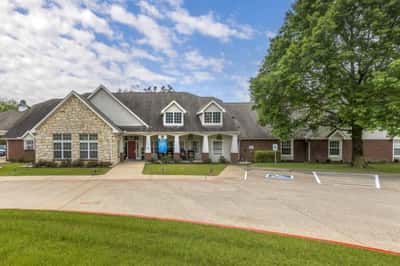
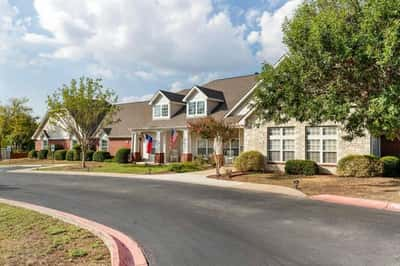
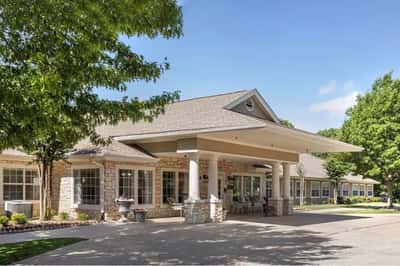
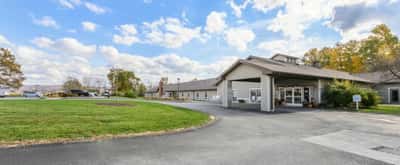
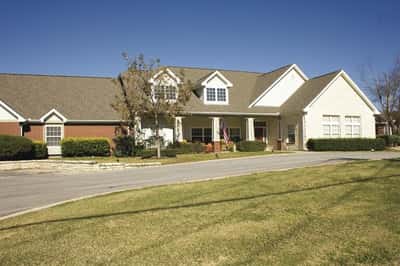
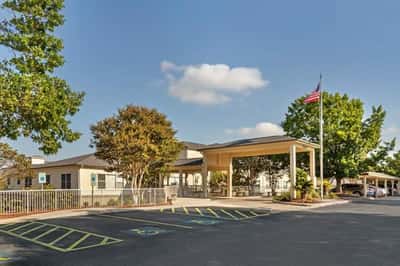
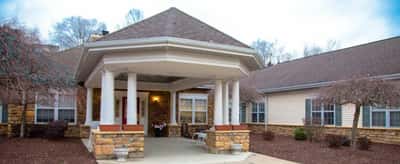
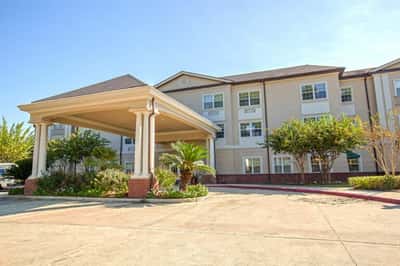
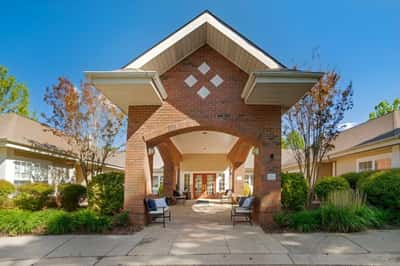
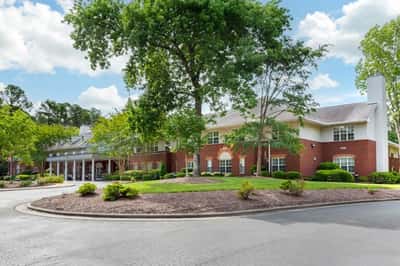
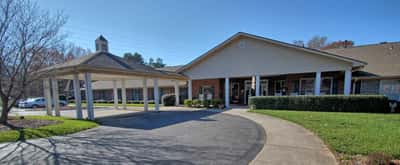
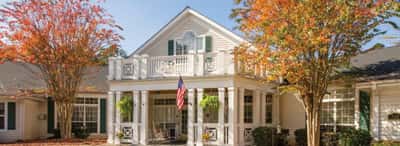
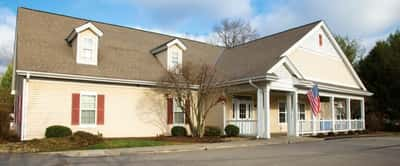
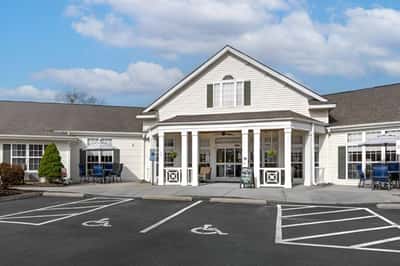
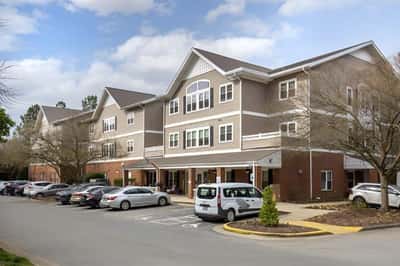
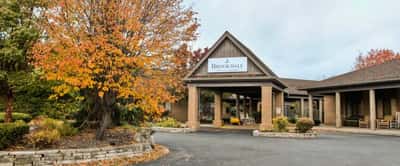
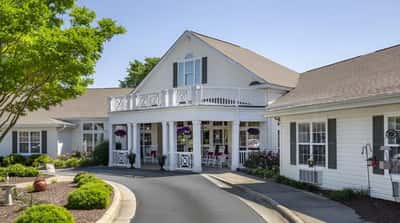
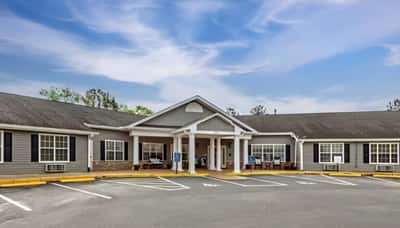
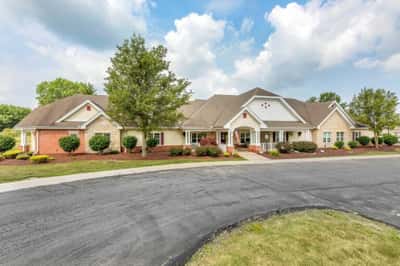
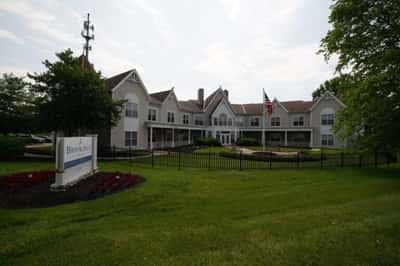
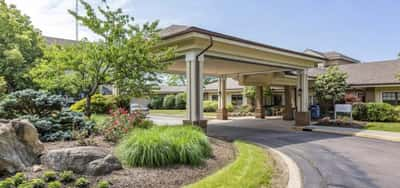
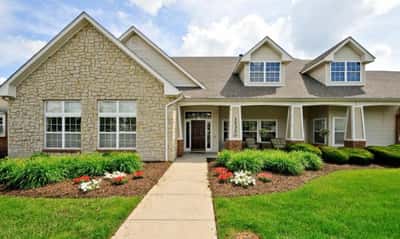
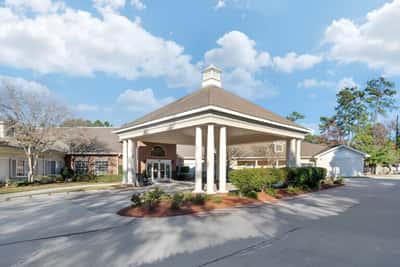
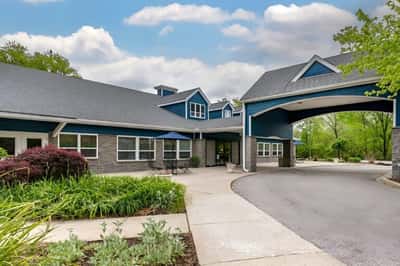
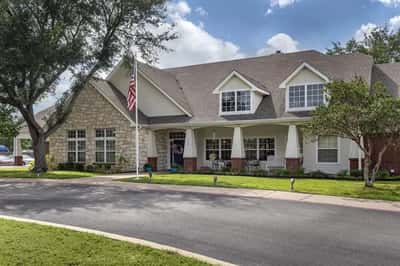
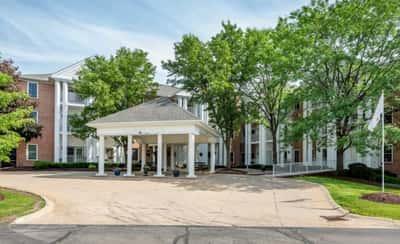
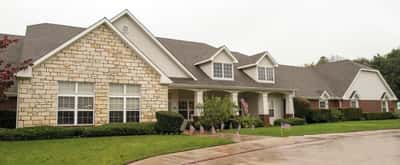
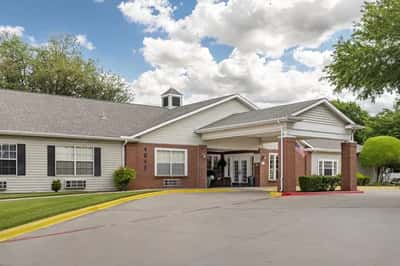
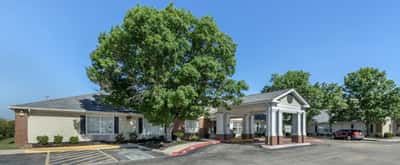
Settled amidst the peaceful neighborhood of Chapel Hill, NC, Brookdale Chapel Hill is a trusted senior living community designed to deliver excellent memory care services to those living with Alzheimer’s disease or other types of dementia. A well-trained team of dementia care experts are available 24/7 to offer excellent support services that allow residents to continue living the lifestyle they deserve. The community’s campus and living spaces are designed with residents’ unique safety and lifestyle needs in mind, providing them a safe and comfortable space for living their best lives.
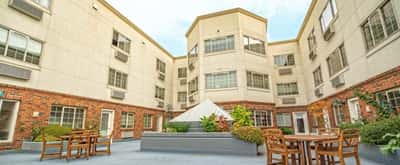
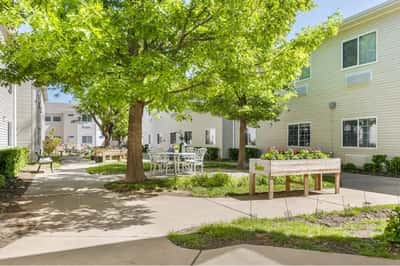
A full calendar of engaging activities are also offered to provide residents with the stimulation and engagement they need to maintain their cognitive and physical abilities. Residents here are offered access to an array of amenities, such as a library, salon, and courtyard for an elevated living experience. At Brookdale Chapel Hill, residents are given the opportunities they need to live actively with utmost dignity and respect.
May offer a more intimate, personalized care environment.
Lower occupancy suggests more openings may be available.

 In line with North Carolina average
Key information about the people who lead and staff this community.

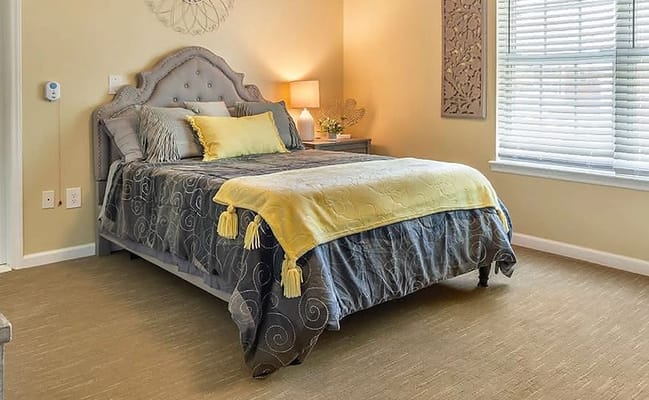
Pets Allowed: Yes, Pets Allowed

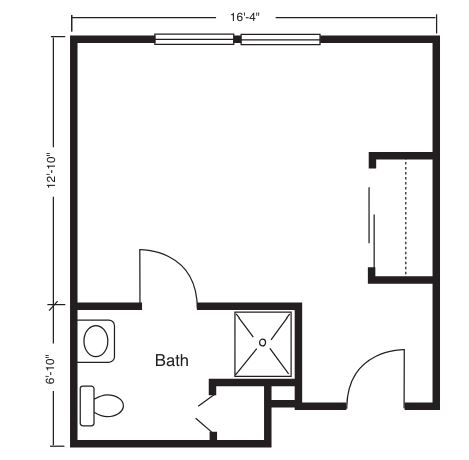
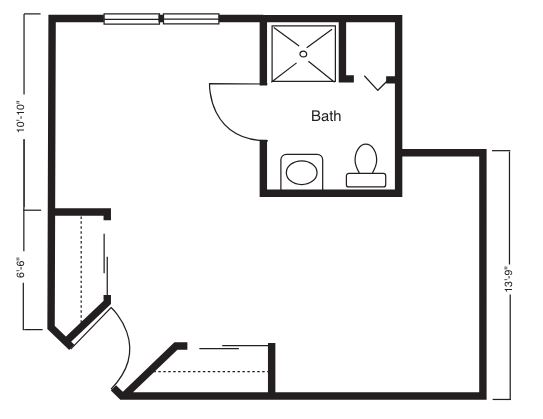
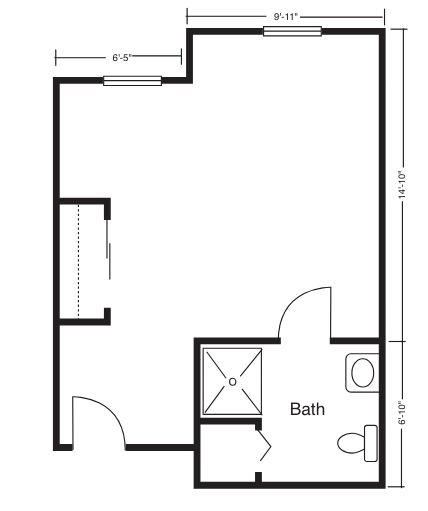
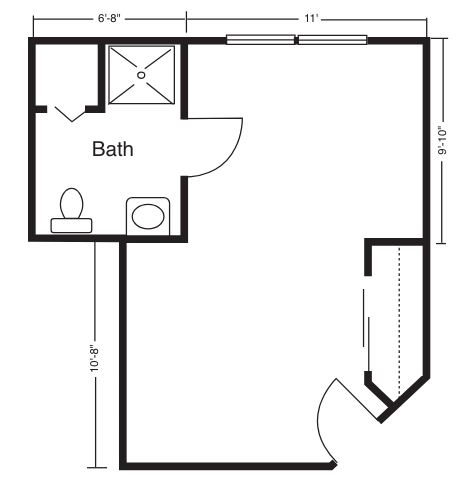
Room Sizes: 307 / 317 / 328 / 432 sq. ft

Housing Options: Private / Companion Suites

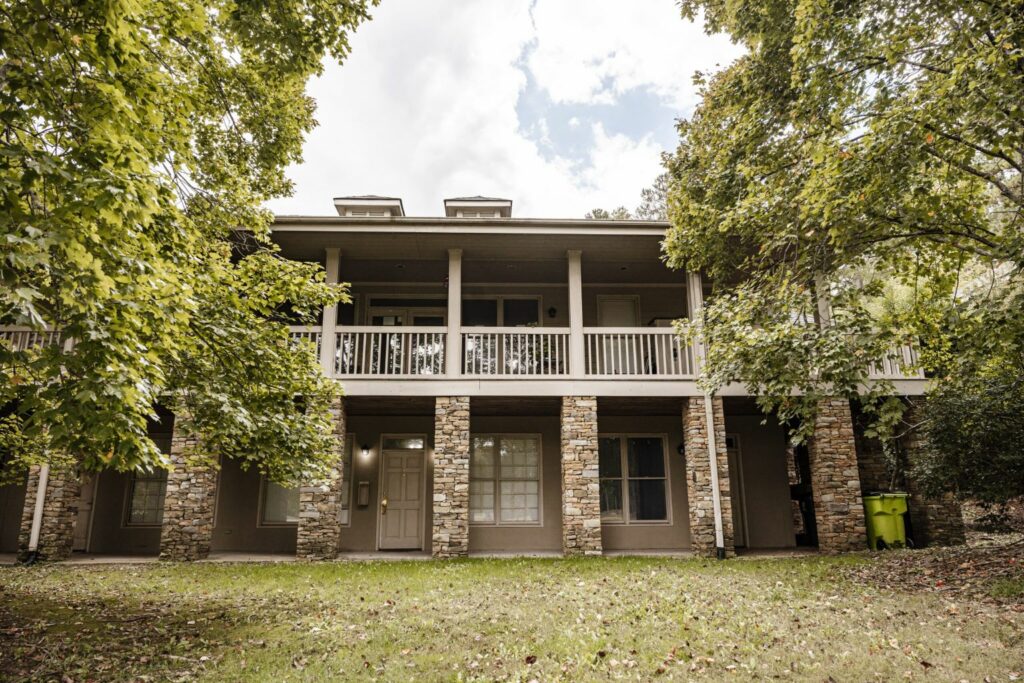
Building Type: Two-story

Fitness and Recreation
In North Carolina, the Department of Health and Human Services, Division of Health Service Regulation conducts unannounced surveys to ensure nursing and adult care homes meet safety standards.
Deficiencies indicate regulatory issues. A higher number implies the facility had several areas requiring improvement.
North Carolina average: 46 deficiencies
Assisted Living A licensed, long-term care setting for seniors or individuals with disabilities who need help with daily activities — like bathing, dressing, and medication management — but not 24-hour skilled nursing. Offers housing, meals, and around-the-clock support while aiming to maximize resident independence.
Memory Care Secured, specialized care for people living with Alzheimer's or dementia. Staff trained in cognitive impairment, with higher staff-to-resident ratios and an environment designed to reduce confusion and wandering risk.
Assisted Living A licensed, long-term care setting for seniors or individuals with disabilities who need help with daily activities — like bathing, dressing, and medication management — but not 24-hour skilled nursing. Offers housing, meals, and around-the-clock support while aiming to maximize resident independence.
Independent Living Lifestyle-focused communities for older adults offering dining, activities, and transportation with minimal personal care. Best for active, independent seniors who want community without medical support.
Assisted Living A licensed, long-term care setting for seniors or individuals with disabilities who need help with daily activities — like bathing, dressing, and medication management — but not 24-hour skilled nursing. Offers housing, meals, and around-the-clock support while aiming to maximize resident independence.
Assisted Living A licensed, long-term care setting for seniors or individuals with disabilities who need help with daily activities — like bathing, dressing, and medication management — but not 24-hour skilled nursing. Offers housing, meals, and around-the-clock support while aiming to maximize resident independence.
Assisted Living A licensed, long-term care setting for seniors or individuals with disabilities who need help with daily activities — like bathing, dressing, and medication management — but not 24-hour skilled nursing. Offers housing, meals, and around-the-clock support while aiming to maximize resident independence.
Independent Living Lifestyle-focused communities for older adults offering dining, activities, and transportation with minimal personal care. Best for active, independent seniors who want community without medical support.
Memory Care Secured, specialized care for people living with Alzheimer's or dementia. Staff trained in cognitive impairment, with higher staff-to-resident ratios and an environment designed to reduce confusion and wandering risk.
Nursing Home Licensed facility providing 24/7 skilled nursing care for residents with complex, ongoing medical needs. Staffed by RNs, LPNs, and CNAs. Inspected and star-rated annually by CMS. Accepts Medicare (short-term rehab) and Medicaid (long-term care).
 15.2 miles from city center — 3.68 miles to nearest hospital (UNC Hospitals)
Add your location
Care Cost Calculator: See Prices in Your Area
Nursing Home Data Explorer
Don’t Wait Too Long: 7 Red Flag Signs Your Parent Needs Assisted Living Now
The True Cost of Assisted Living in 2025 – And How Families Are Paying For It
Understanding Senior Living Costs: Pricing Models, Discounts & Financial Assistance



Touring a community? Use this expert-backed checklist to stay organized, ask the right questions, and find the perfect fit.
We'll send you a PDF version of the touring checklist.


 Show Inspection Reports