

Facility type
Assisted Living
Status
 Licensed
Licensed

We arrange tours, appointments, and even moving support so you don’t have to

Thank you for your interest!
Our team will be in touch shortly to help with next steps.
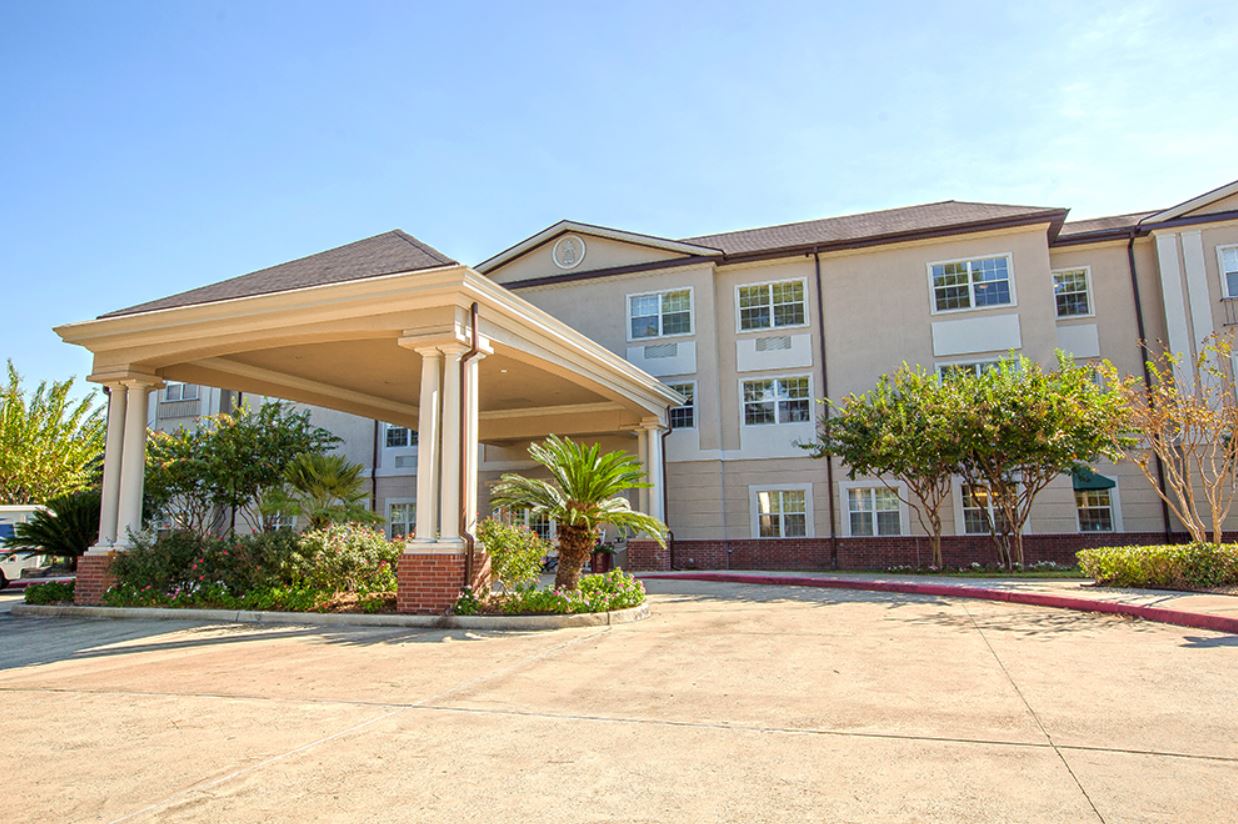
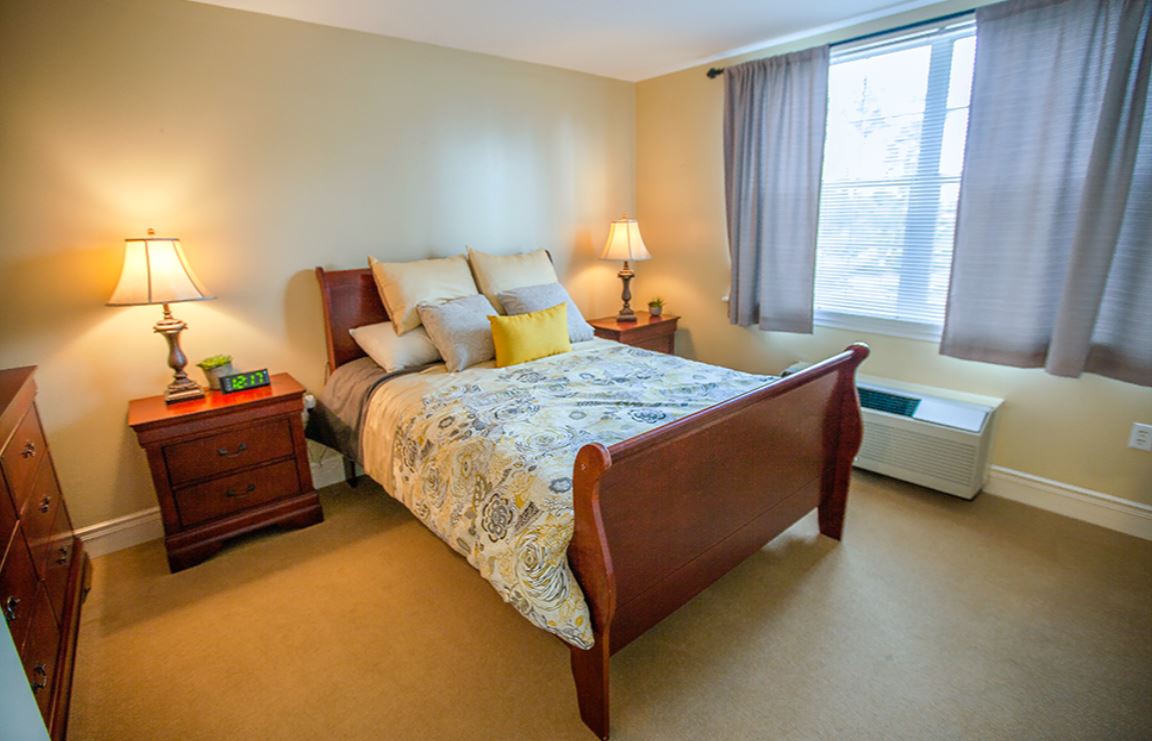
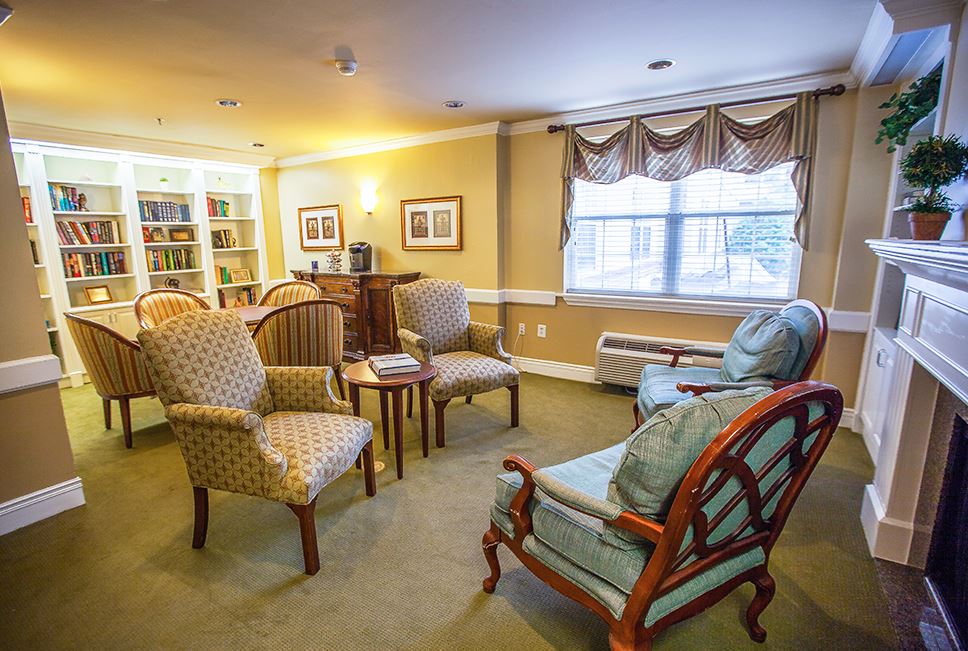
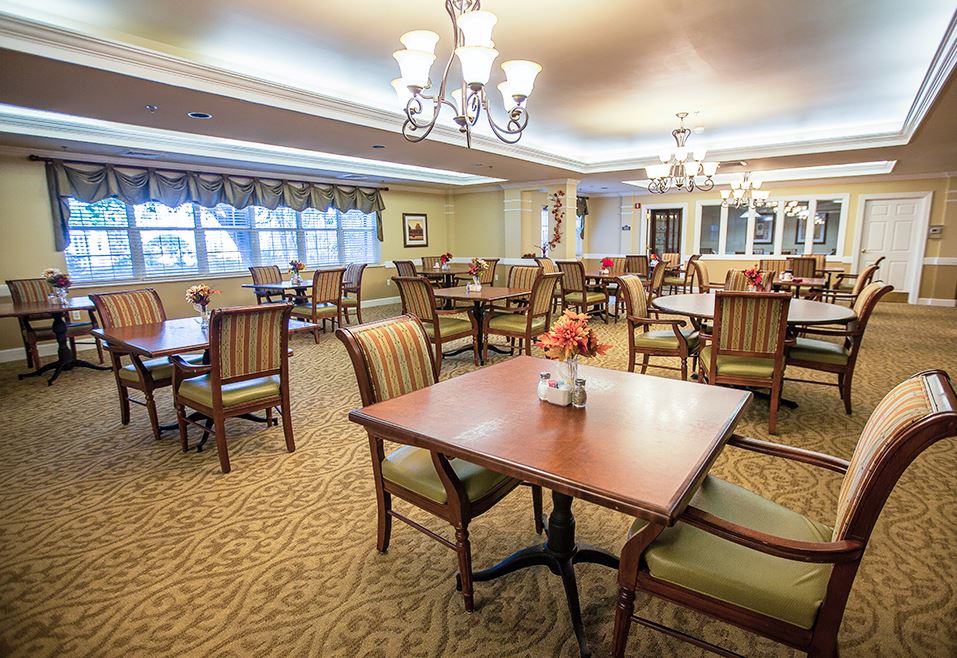


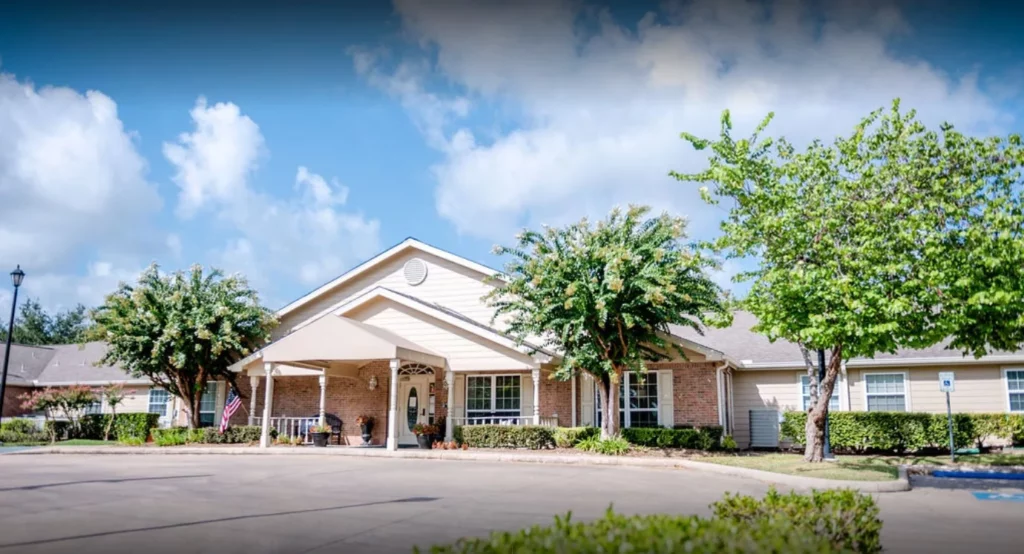
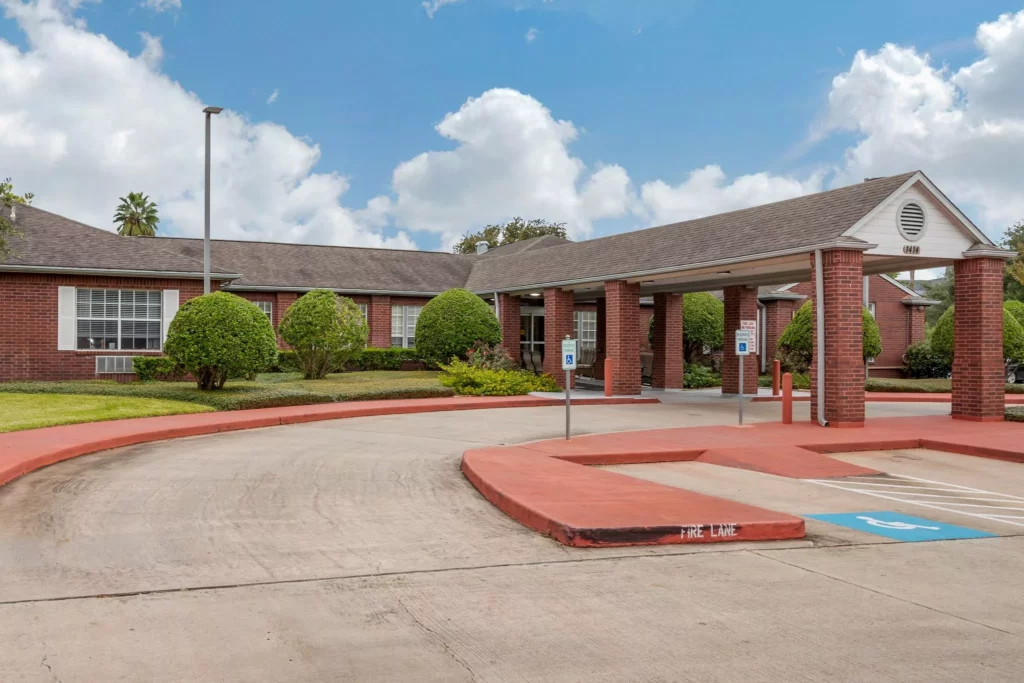
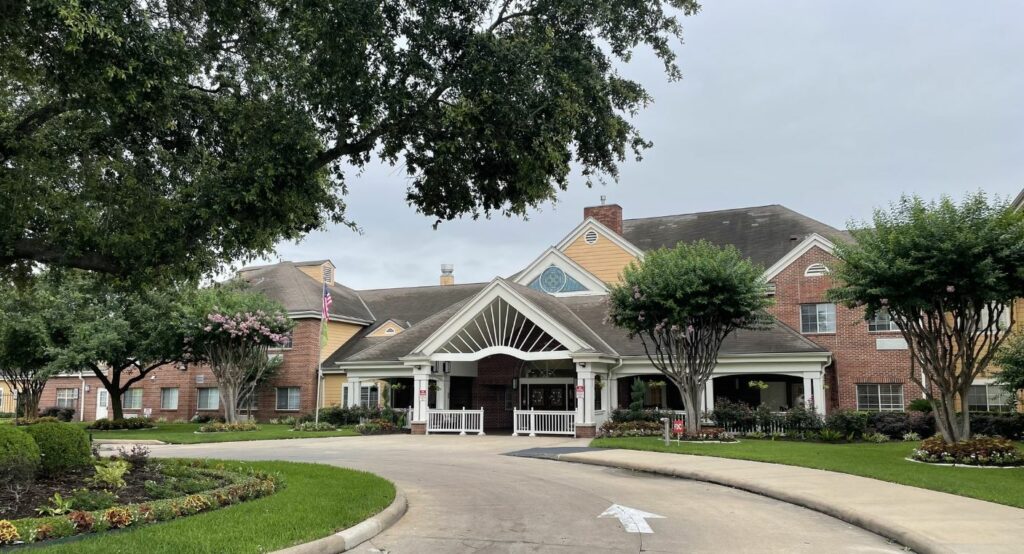
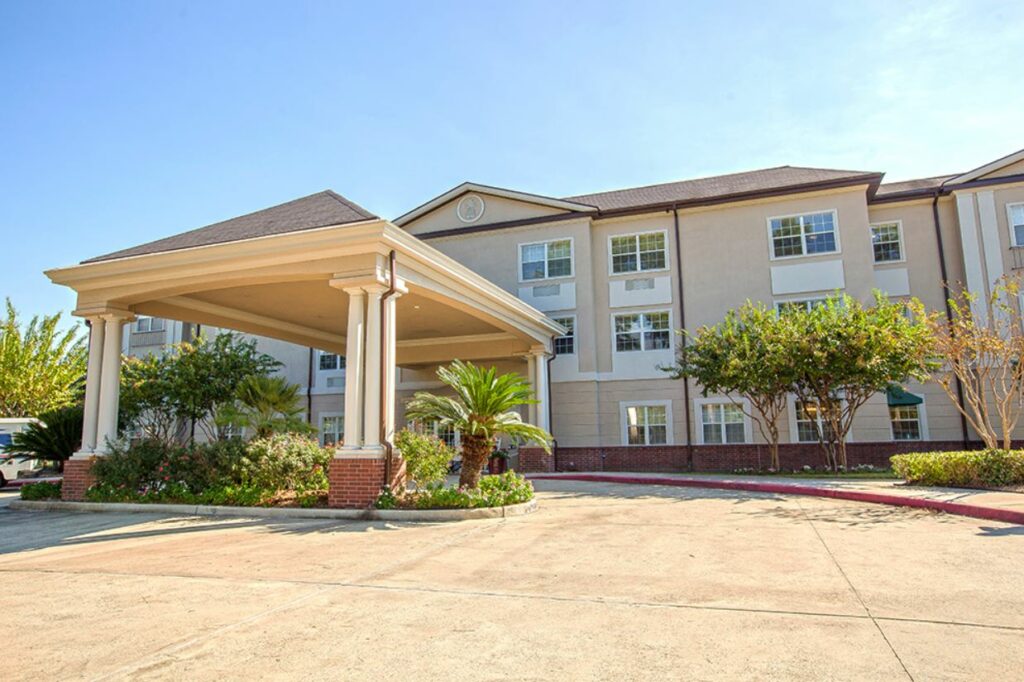
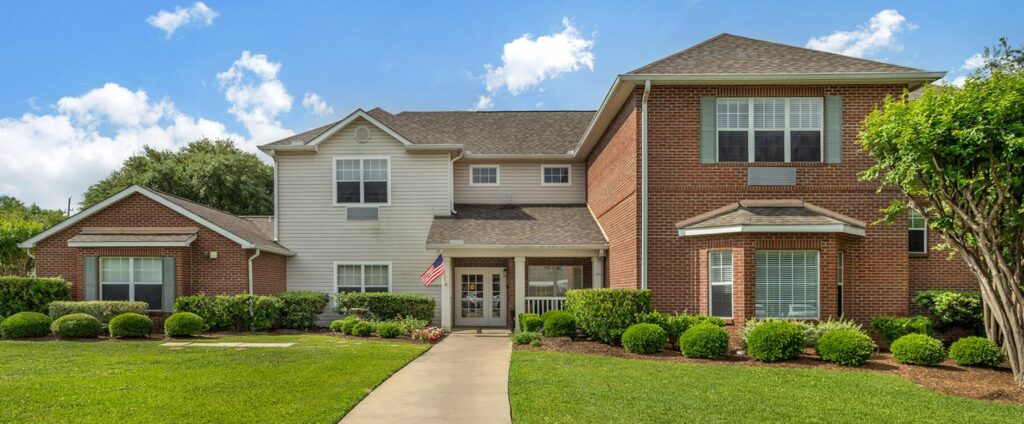
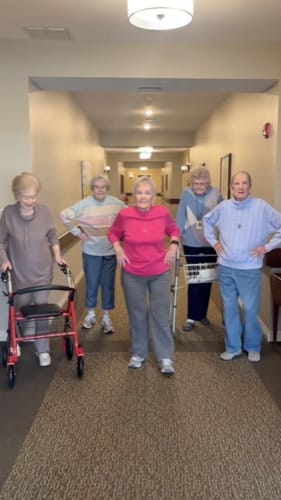
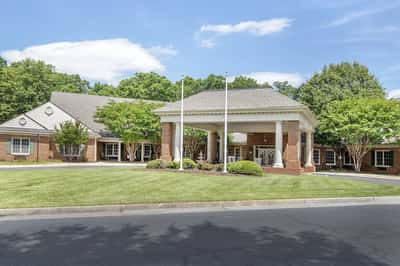
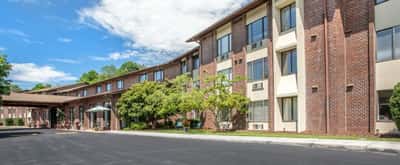
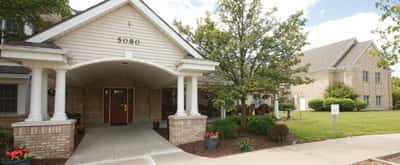
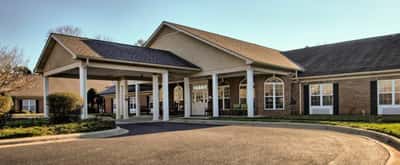
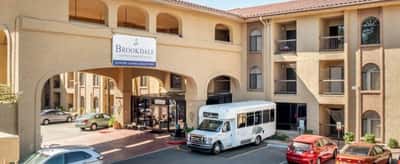
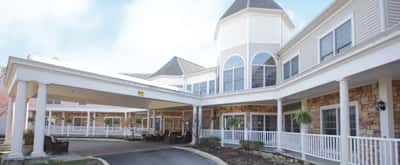
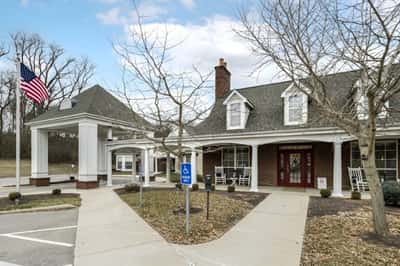
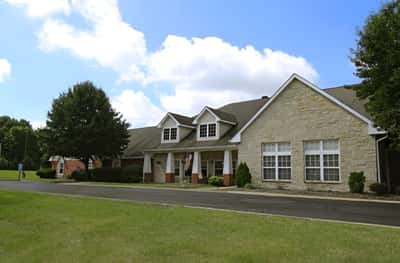
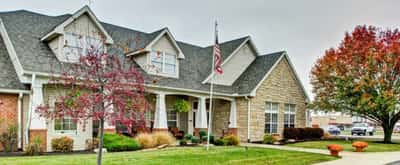
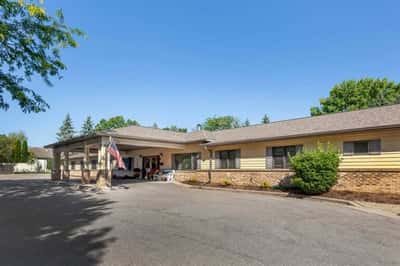
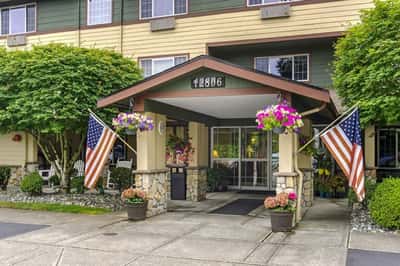
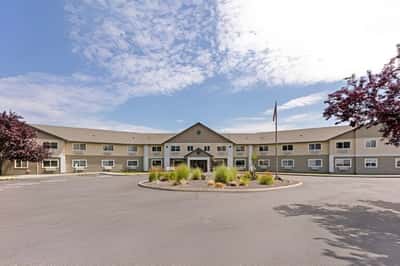
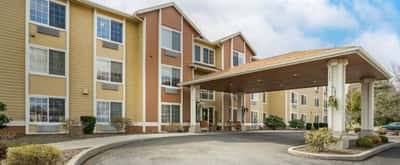
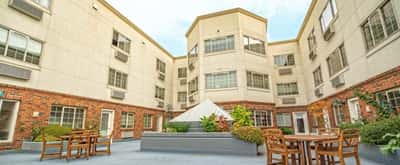
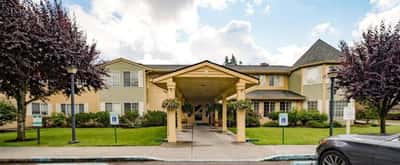
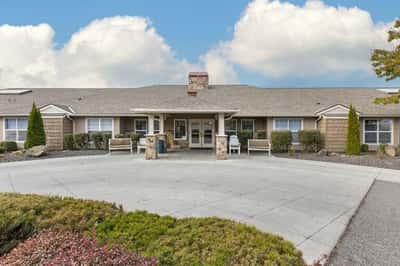
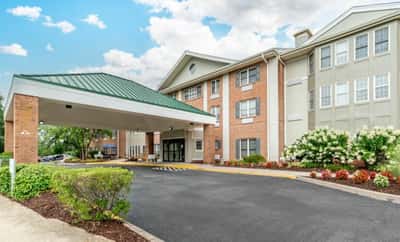
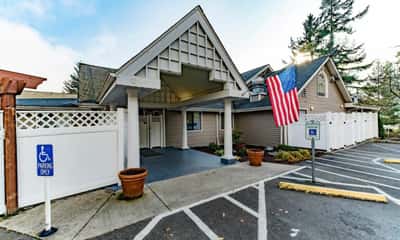
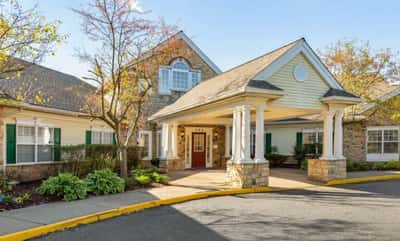
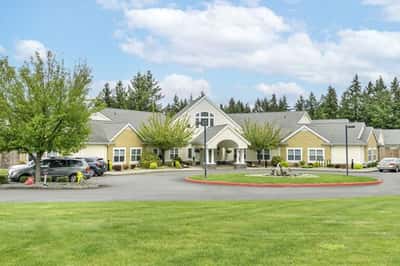
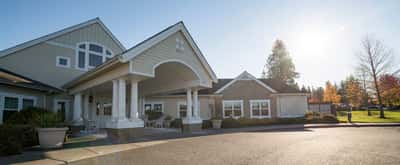
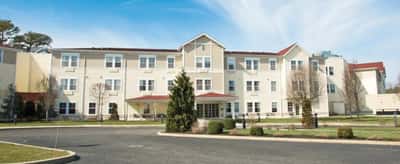
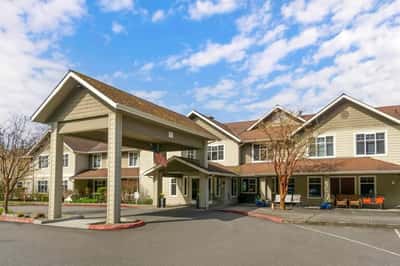
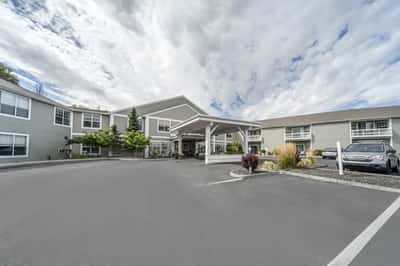
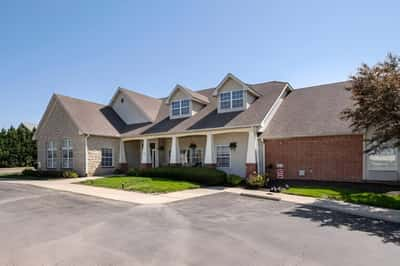
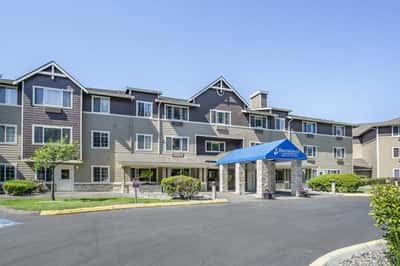
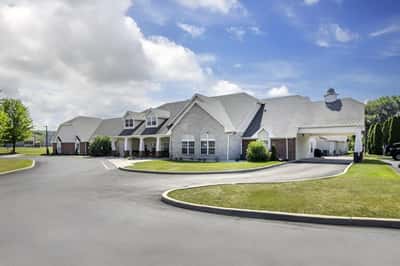
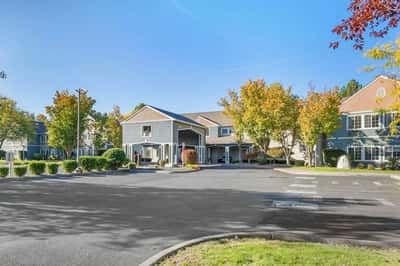
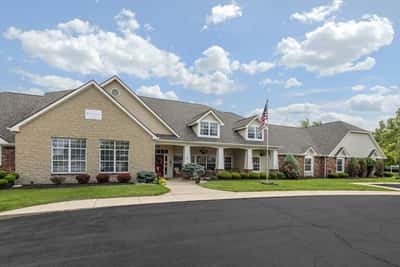
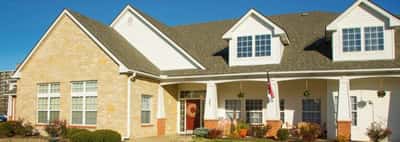
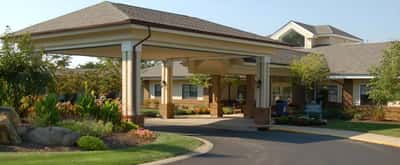
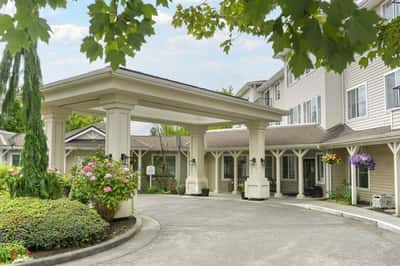
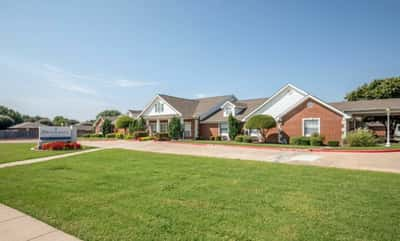
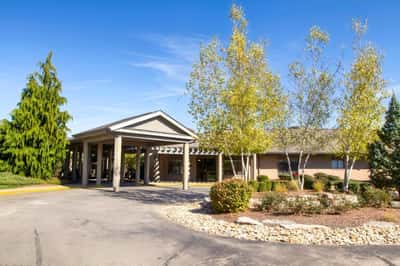
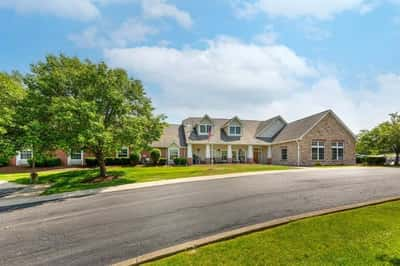
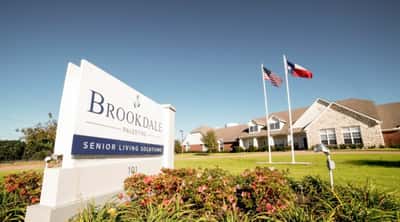
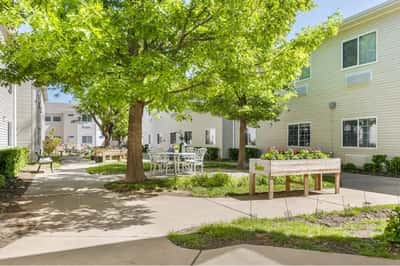
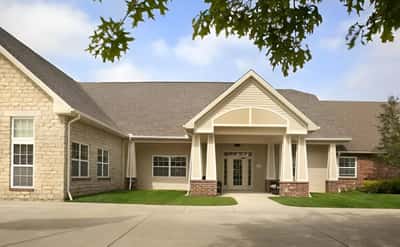
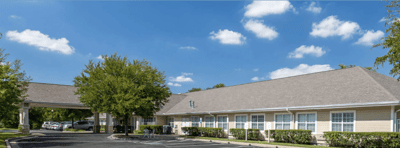
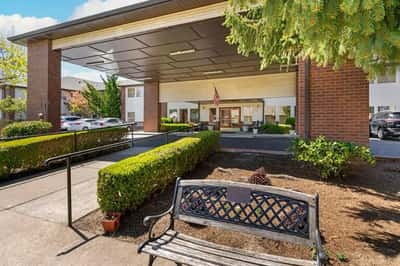
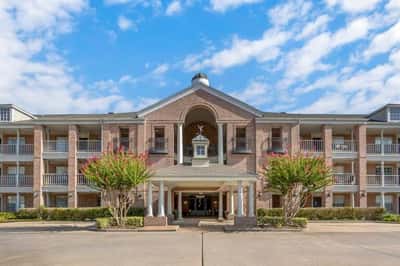
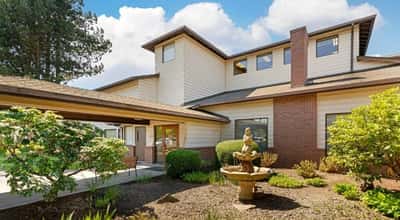
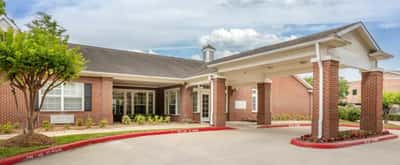
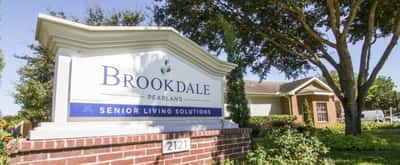
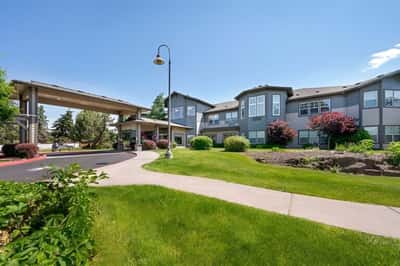
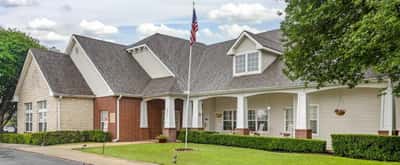
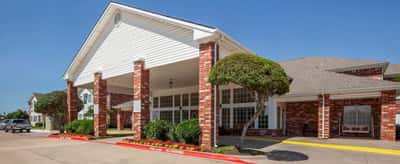
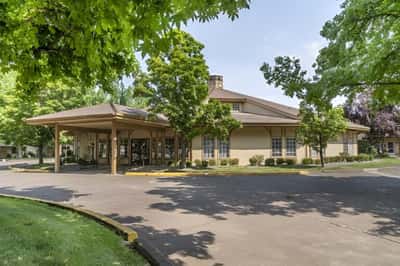
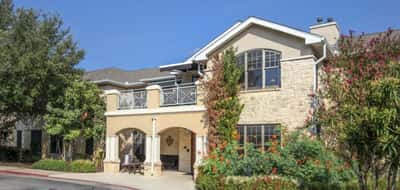
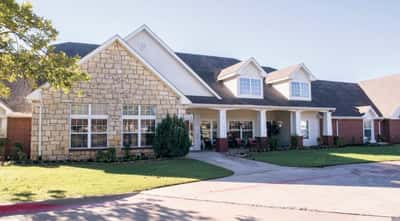
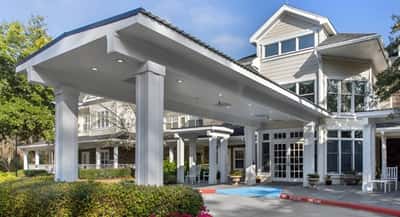
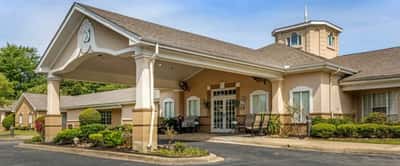
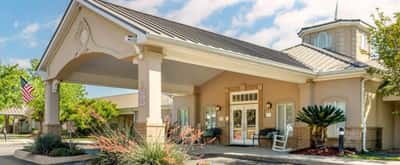
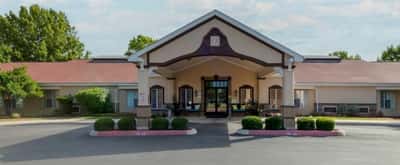
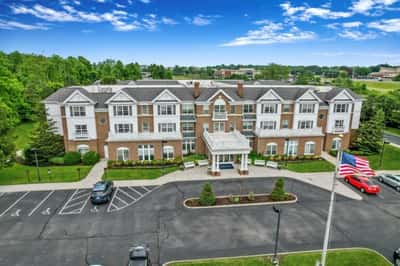
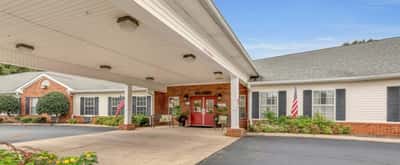
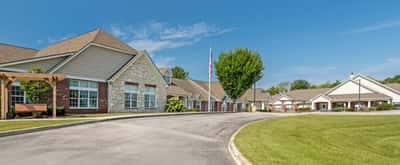
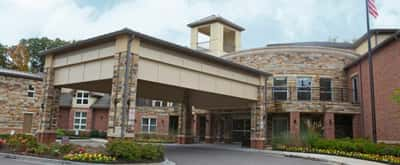
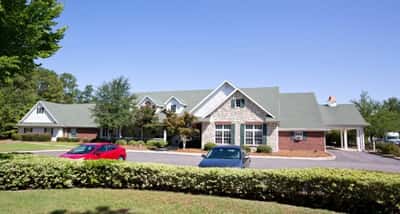
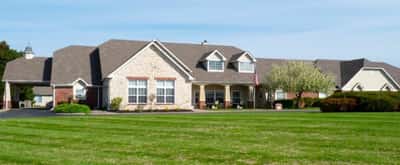
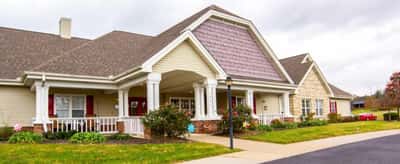
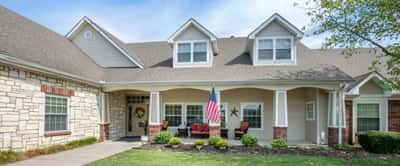
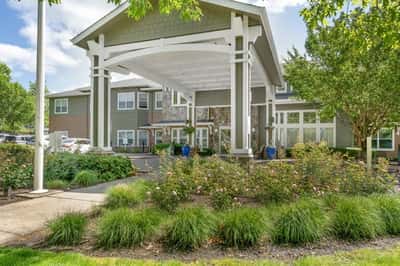
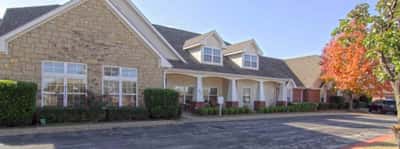
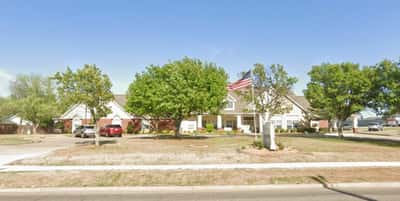
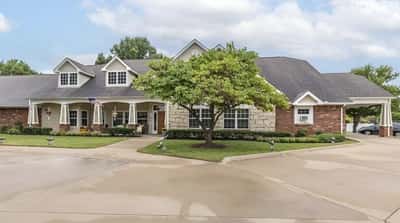
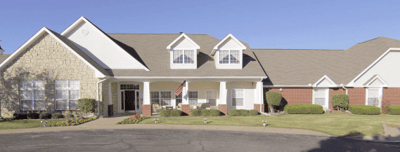
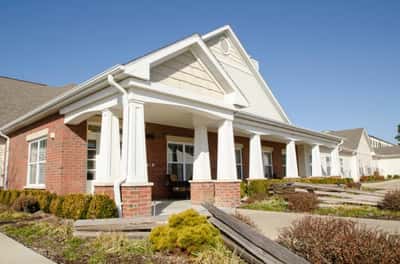
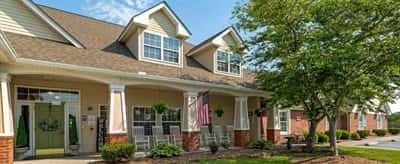
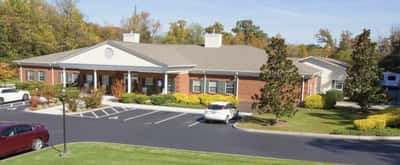
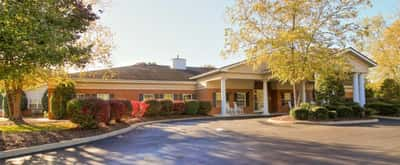
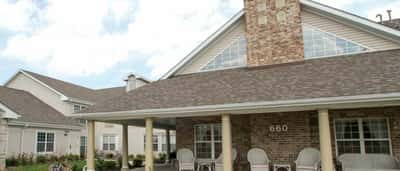
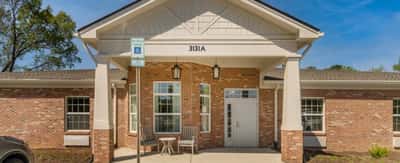
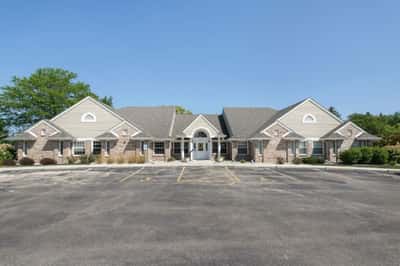
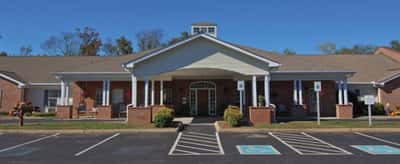
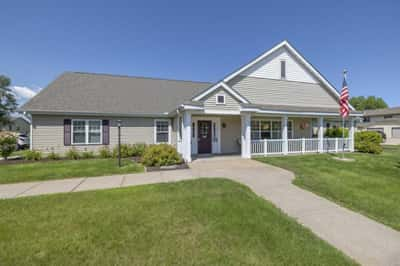
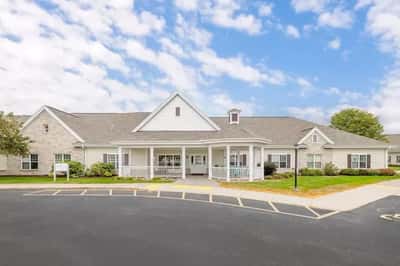
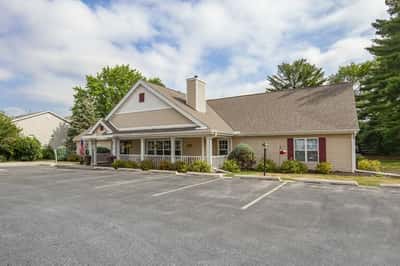
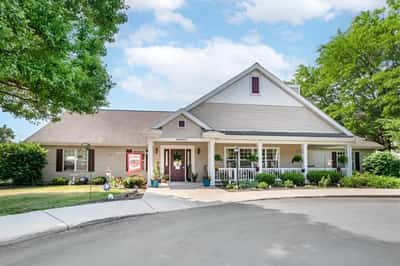
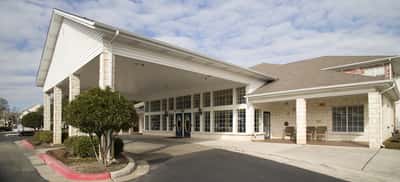
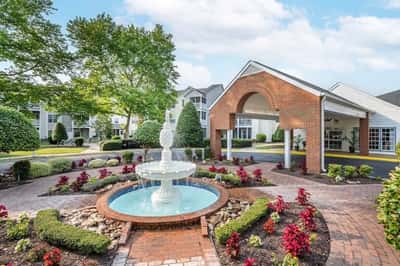
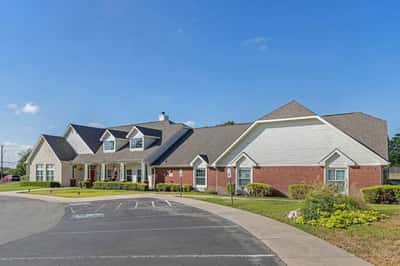
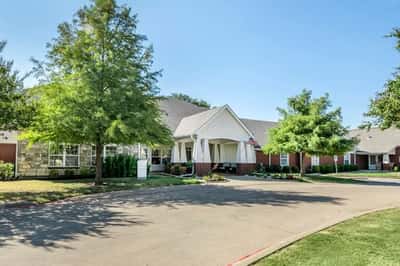
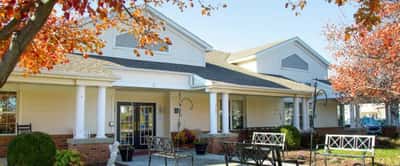
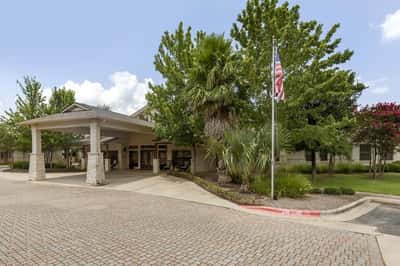
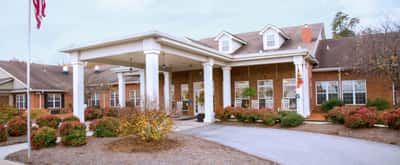
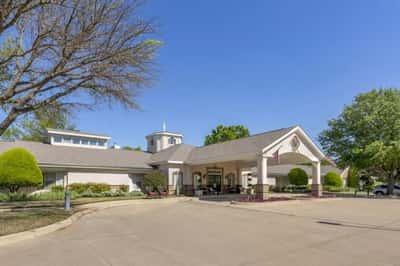
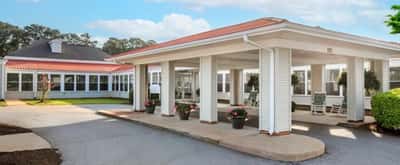
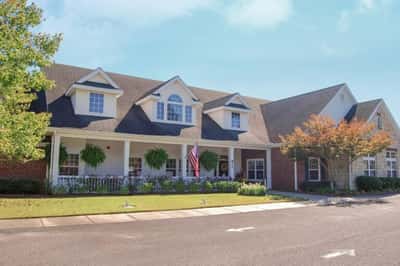
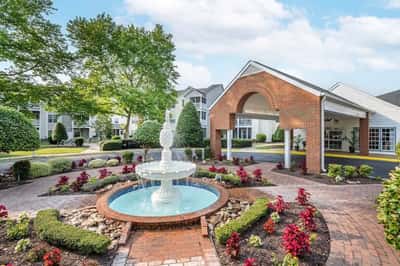
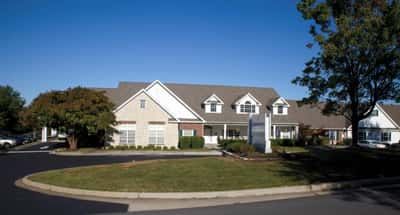
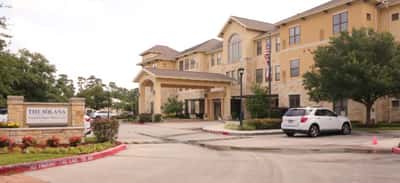
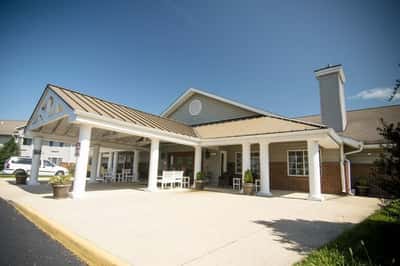
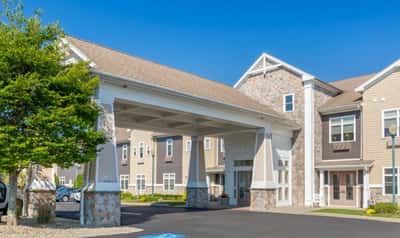
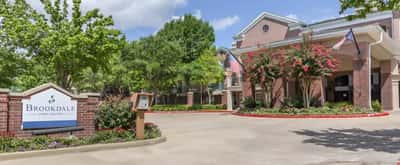
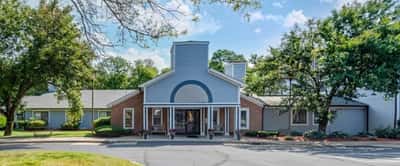
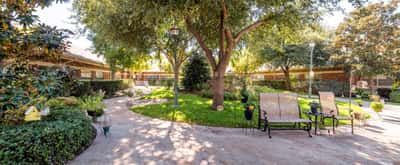
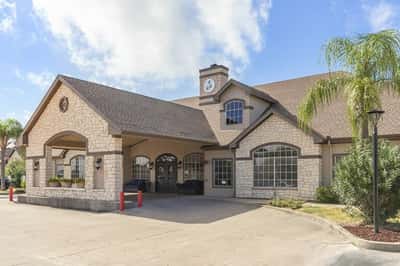
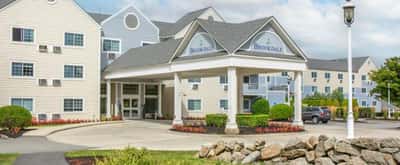
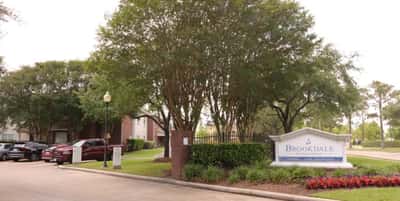
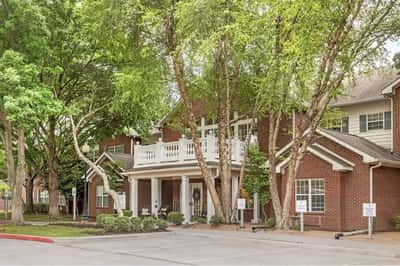
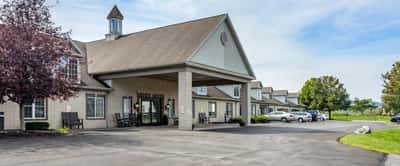
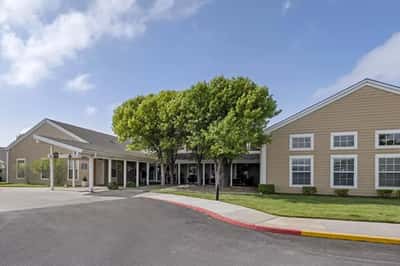
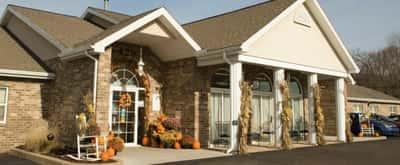
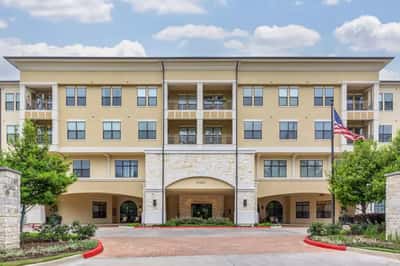
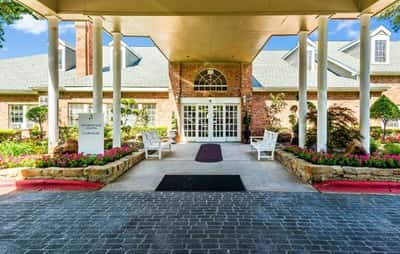
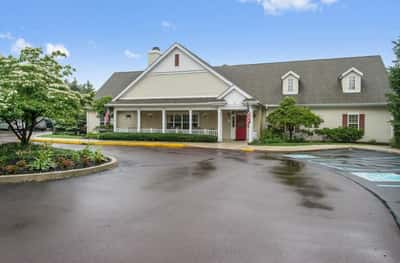
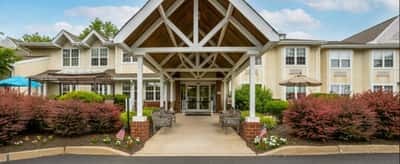
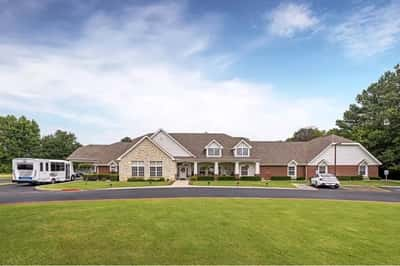
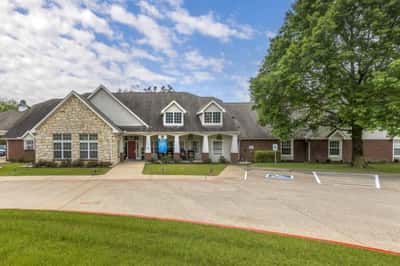
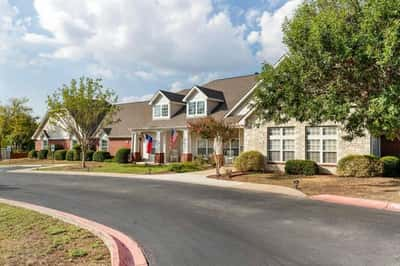
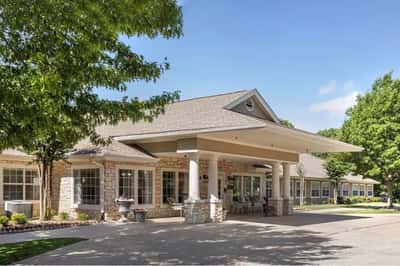
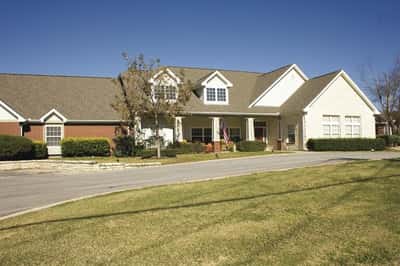
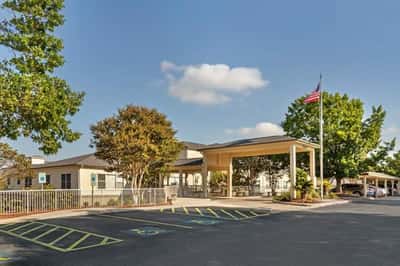
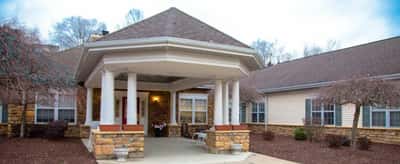
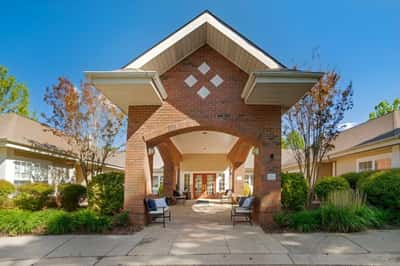
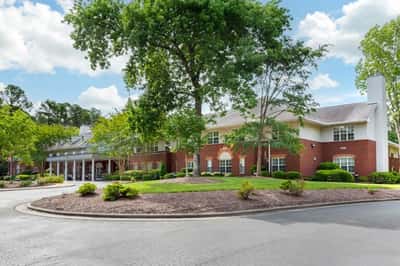
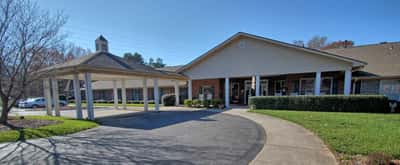
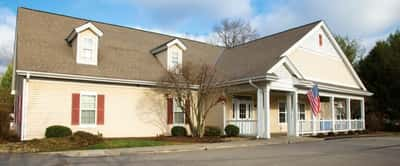
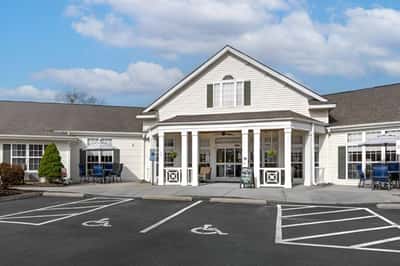
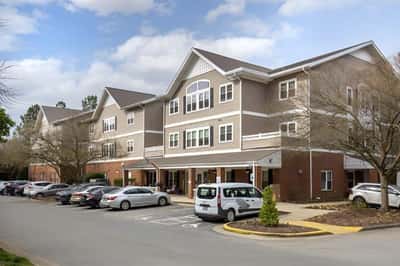
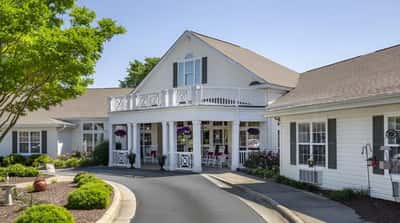
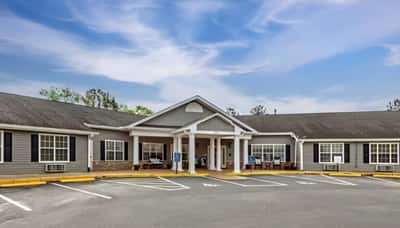
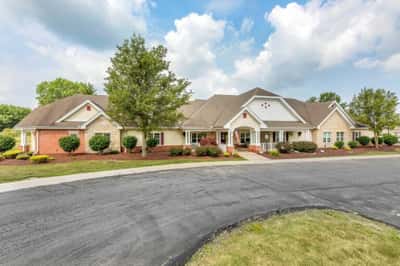
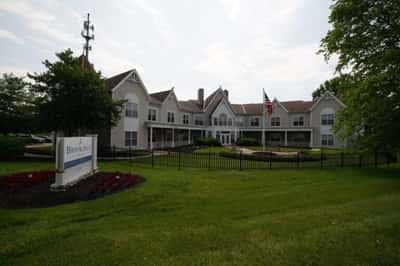
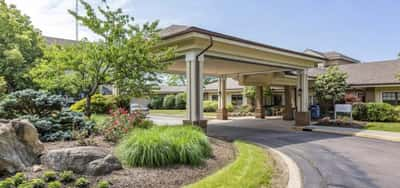
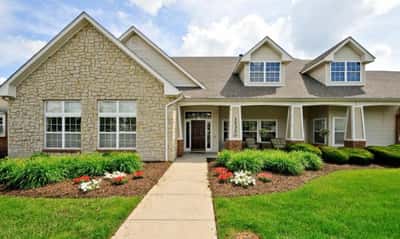
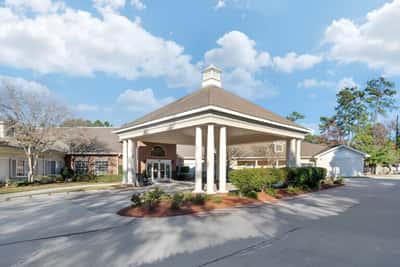
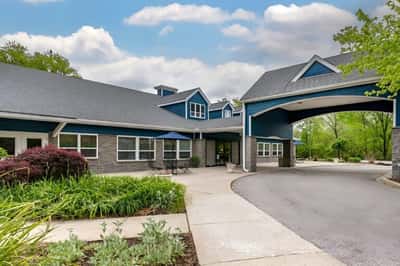
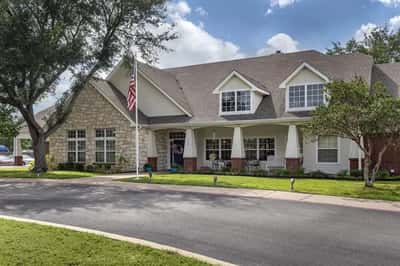
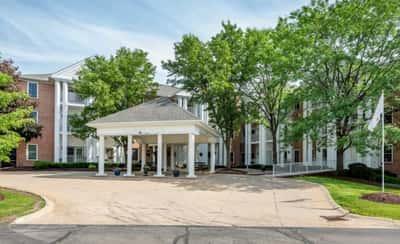
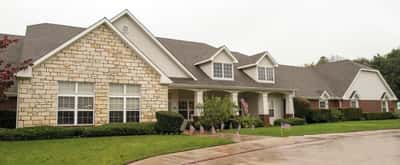
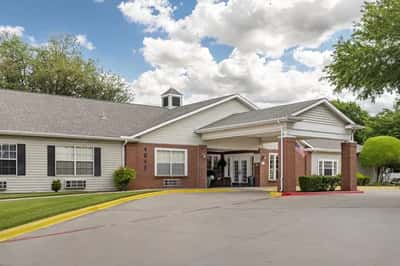
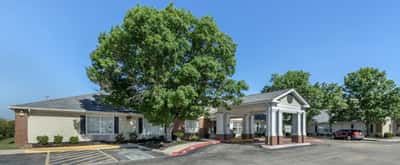
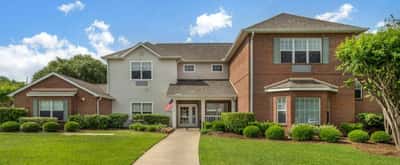
Nestled in Houston, Texas, Brookdale Cypress Station offers both assisted living and memory care options, providing residents the care they need when they need it all on one campus. For those living a mostly independent lifestyle but needing extra help with day-to-day activities, the community offers assistance with medications, dressing, bathing, housekeeping, and meals, with staff available 24/7 to respond to emergencies. The pet-friendly apartments feature great natural light, and basic utilities and maintenance are typically included.
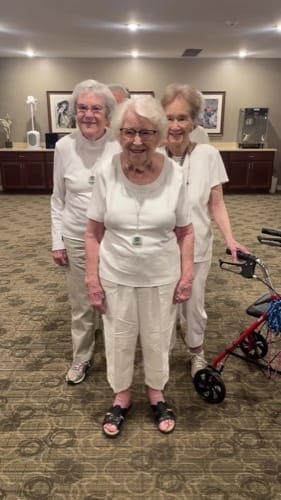
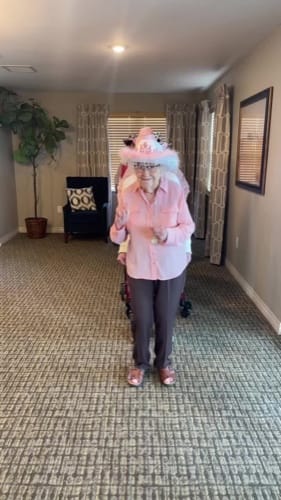
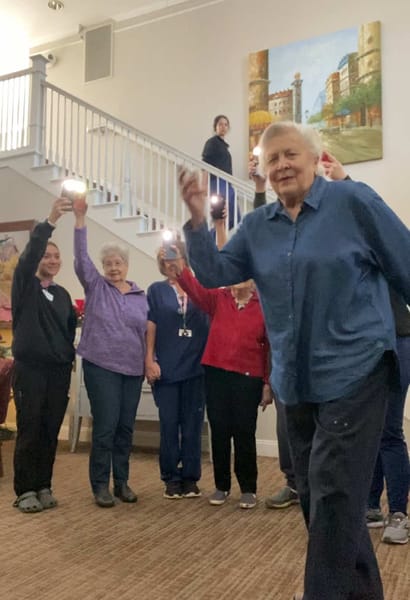
The assisted living program provides trained caregivers to help with daily living tasks like medication management, mobility, and coordination with outside healthcare providers. The memory care program offers specially designed environments and associates trained to care for seniors living with cognitive challenges, including Alzheimer’s and dementia. Residents can enjoy a full calendar of events and activities tailored to their unique interests and abilities, from art classes and shopping trips to Wii bowling and happy hours. Memory care residents also have access to a specialized activity calendar, including nature walks, jewelry making, and karaoke.
Offers a balance of services and community atmosphere.

 Licensed

Brookdale Cypress Station is legally operated by BROOKDALE CYPRESS STATION LLC, and administrated by BECKY BARKER.
Key information about the people who lead and staff this community.

Pets Allowed: Yes, Pets Allowed

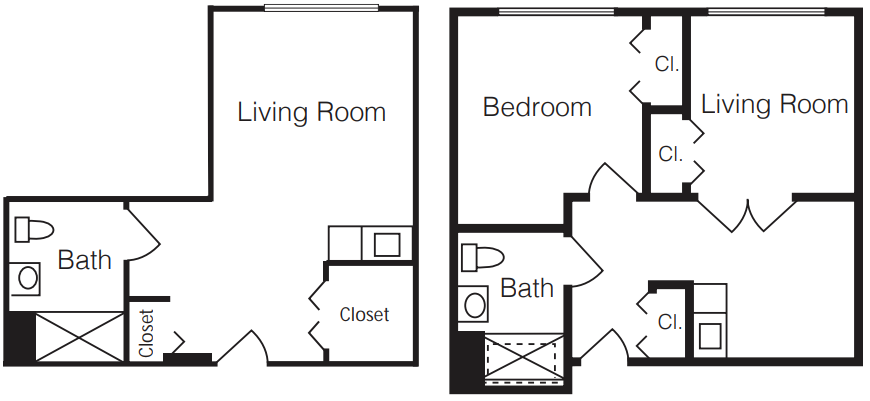
Room Sizes: 373 / 565 / 820 sq. ft

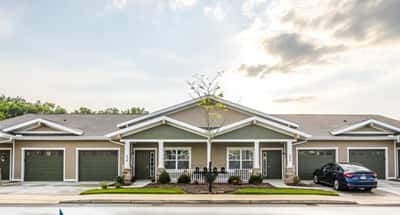
Housing Options: Studio / 1 Bed / 2 Bed

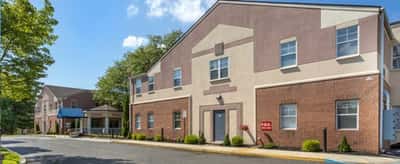
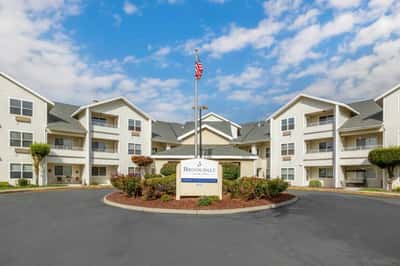
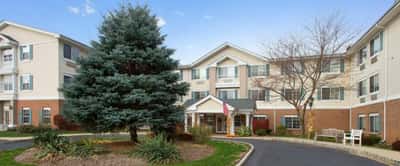
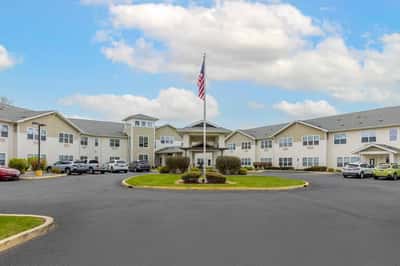
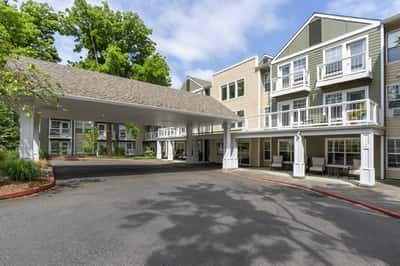
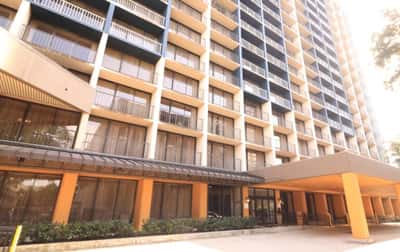
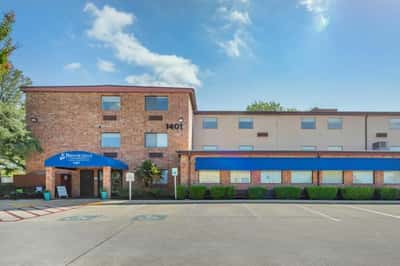
Building Type: 3-story

Care Cost

Fitness and Recreation
In Texas, the Health and Human Services Commission (HHSC) is the primary regulatory body that conducts unannounced inspections and publishes quality reports for all long-term care homes.
1 with citations
0 without citations
Texas average: 1 inspection with citations
Citations indicate regulatory violations. A higher number implies the facility had several areas requiring improvement.
Texas average: 6 citations
Texas average: 6 life safety citations
Penalties or interventions imposed by state regulators when facilities do not comply with quality, safety or regulatory standards.
Texas average: 1 enforcement action
Memory Care Secured, specialized care for people living with Alzheimer's or dementia. Staff trained in cognitive impairment, with higher staff-to-resident ratios and an environment designed to reduce confusion and wandering risk.
Assisted Living A licensed, long-term care setting for seniors or individuals with disabilities who need help with daily activities — like bathing, dressing, and medication management — but not 24-hour skilled nursing. Offers housing, meals, and around-the-clock support while aiming to maximize resident independence.
Memory Care Secured, specialized care for people living with Alzheimer's or dementia. Staff trained in cognitive impairment, with higher staff-to-resident ratios and an environment designed to reduce confusion and wandering risk.
Assisted Living A licensed, long-term care setting for seniors or individuals with disabilities who need help with daily activities — like bathing, dressing, and medication management — but not 24-hour skilled nursing. Offers housing, meals, and around-the-clock support while aiming to maximize resident independence.
Memory Care Secured, specialized care for people living with Alzheimer's or dementia. Staff trained in cognitive impairment, with higher staff-to-resident ratios and an environment designed to reduce confusion and wandering risk.
Assisted Living A licensed, long-term care setting for seniors or individuals with disabilities who need help with daily activities — like bathing, dressing, and medication management — but not 24-hour skilled nursing. Offers housing, meals, and around-the-clock support while aiming to maximize resident independence.
Memory Care Secured, specialized care for people living with Alzheimer's or dementia. Staff trained in cognitive impairment, with higher staff-to-resident ratios and an environment designed to reduce confusion and wandering risk.
Assisted Living A licensed, long-term care setting for seniors or individuals with disabilities who need help with daily activities — like bathing, dressing, and medication management — but not 24-hour skilled nursing. Offers housing, meals, and around-the-clock support while aiming to maximize resident independence.
Memory Care Secured, specialized care for people living with Alzheimer's or dementia. Staff trained in cognitive impairment, with higher staff-to-resident ratios and an environment designed to reduce confusion and wandering risk.
 20.0 miles from city center — 0.44 miles to nearest hospital (HCA Houston Healthcare Northwest)
 303 Lantern Bend Dr.,Houston, TX
Add your location
Care Cost Calculator: See Prices in Your Area
Nursing Home Data Explorer
Don’t Wait Too Long: 7 Red Flag Signs Your Parent Needs Assisted Living Now
The True Cost of Assisted Living in 2025 – And How Families Are Paying For It
Understanding Senior Living Costs: Pricing Models, Discounts & Financial Assistance



Touring a community? Use this expert-backed checklist to stay organized, ask the right questions, and find the perfect fit.
We'll send you a PDF version of the touring checklist.