Page 19 of Best Nursing Homes in Pennsylvania

Why trust this guide? Our editorial team analyzed 200 nursing homes in PA using CMS data, inspection records, complaints, amenities, and facility-level details. How we rank nursing homes in PA
Reviewed by
Last updated
We analyzed These are the facilities in Pennsylvania our team has analyzed — not a count of every nursing home provider in Pennsylvania.
200 homes
Other senior care options in Pennsylvania:
Avg Overall CMS Rating: 3.0/ 5The average Overall CMS Rating for all CMS-certified nursing homes in Pennsylvania. Ratings combine health inspections, staffing, and quality measures, with inspections weighted most. Individual facilities can vary widely from this average.
National Average: 3.2/ 5
Avg Staffing Rating: 3.4/ 5The average Staffing Rating across all CMS-certified nursing homes in Pennsylvania. Reflects nursing staff hours per resident per day (including RNs), adjusted for residents' care needs. Individual facilities can vary widely from this average.
National Average: 3.4/ 5
Avg Health Insp. Rating: 2.8/ 5The average Health Inspection Rating across all CMS-certified nursing homes in Pennsylvania. Based on each facility's recent inspections and complaint investigations, weighing the number, scope, and severity of deficiencies. Individual facilities can vary widely from this average.
National Average: 3.0/ 5

Compare Nursing Homes around Pennsylvania

Info below is compiled from CMS reports & the PA Depts. of Human Services & Health, senior community websites & trusted data sources such as Walk Score & BBB.

Communities are listed from highest to lowest based on our ranking methodology.

The facility name. Click to view the full profile page on Assisted Living Magazine, including photos, services, and contact info.
CMS (Centers for Medicare & Medicaid Services, the federal agency that regulates nursing homes) Overall 5-star rating — a composite of Health Inspection, Staffing, and Quality Measures scores. 5 stars = top 10% nationally. 1 star = bottom 10%. The single most important number to start with when comparing facilities.
Care Types in This Table AL (Assisted Living): Housing with help for daily activities like bathing, dressing, and medication, without 24-hour skilled nursing. NH (Nursing Home): 24/7 skilled nursing care for residents with complex, ongoing medical needs. SNF (Skilled Nursing Facility): Round-the-clock nursing care, often for recovery after surgery, injury, or illness. MC (Memory Care): Secured, specialized care for people living with Alzheimer's or dementia. IL (Independent Living): Community living with dining, activities, and transportation for active seniors who need little personal care.
Neighborhood or city area where the facility is located. Proximity to family, hospitals, and green space matters for both quality of life and ease of visitation. Consider drive time and transit access when evaluating location.
Licensed bed capacity. Larger facilities (300+ beds) often have more specialized programs but can feel institutional. Smaller homes (under 150 beds) tend to deliver more personalized care. Compare with Avg Res/Day to understand how full the facility typically runs.
Percentage of licensed beds filled on an average day. Color indicates financial health: green (90%+) = operationally strong, typically profitable. Amber (80–89%) = stable but leaving revenue on the table. Orange (70–79%) = financial strain likely, may struggle with fixed costs. Red (<70%) = significant distress, closure or ownership change risk increases sharply.
This facility's occupancy rate compared to the statewide average for similar facilities. A positive number means above-average demand. Facilities running 5%+ above the state average are typically the most sought-after in their market — a strong proxy for reputation.
CMS-adjusted total nurse hours per resident per day (RN + LPN + CNA combined). The national average is approximately 3.5 hrs. Higher is better — more direct care time per resident. Below 3.0 is a red flag. CMS weights RN hours more heavily because RNs handle complex clinical decisions that CNAs cannot.
CMS Health Inspection star rating (1–5 stars), based on the 3 most recent annual state surveys plus any complaint investigations. This is the hardest rating to manipulate — it reflects real surveyor findings on-site. 5 stars = fewest deficiencies found. 1 star = most. It carries the heaviest weight in the Overall CMS rating.
CMS Staffing star rating (1–5 stars), based on daily nurse staffing hours submitted to CMS via verified payroll data. Compares RN, LPN, and CNA coverage relative to resident acuity level. 5 stars = well above expected staffing. Weekend staffing is evaluated separately, as that's where many facilities quietly reduce coverage.
CMS Quality Measures star rating (1–5 stars), based on 15 clinical outcome metrics including fall rates, pressure ulcers, antipsychotic drug use, and hospital readmissions. Captures actual resident health outcomes, not just compliance. High QM combined with low Health Inspection scores can indicate a facility with strong care but weak documentation practices.
Registered Nurse hours per resident/day compared to the statewide average. RNs are the highest-skilled nursing staff — they assess residents, manage medications, and respond to emergencies. A value of +50% means RN coverage is 50% above the state norm. Negative values are a concern for residents with complex or acute medical needs.
Total nursing staff hours (RN + LPN + CNA combined) per resident/day vs. the statewide average. A broader measure than RN vs State — it captures the entire care team. A facility can have high total staffing but low RN hours, meaning more aides and fewer nurses. Read both columns together for the full picture.
Total dollar amount of federal monetary fines (civil money penalties) issued by CMS in the past 3 years. Fines are only levied for serious violations — typically actual harm to residents, repeated uncorrected deficiencies, or systemic non-compliance. Even a single fine is noteworthy. Multiple fines strongly suggest a pattern, not isolated incidents.
A composite 0–100 score combining this facility's inspections, citations, complaints, and enforcement actions relative to the Pennsylvania state average. See the benchmark below for the typical Pennsylvania score; higher is better. This is a proprietary Assisted Living Magazine score.
Total health deficiency citations from the most recent standard inspection cycle. Minor citations (scope A–C) are common and often administrative in nature. Higher counts aren't always disqualifying, but should be read alongside Severe Citations to understand actual harm levels. Under 10 is strong for a large facility; 30+ warrants a closer look.
Average deficiency citations per CMS inspection (survey) in the reporting window — total citations divided by the number of inspections. Lower is better; compare alongside total Citations and Severe Citations for context.
Citations at CMS scope/severity level G or higher — G–I means actual harm occurred; J–L means residents were placed in immediate jeopardy. (D–F is potential for harm only). Examples include unaddressed falls, medication errors causing injury, neglect, or abuse.
Average number of residents in the building on any given day, derived from annual census data. Reflects true operating scale — a 400-bed facility running 200 residents/day operates very differently from one at 390. Higher resident counts generally mean more funded staffing hours.
Better Business Bureau rating (A+ to F). Reflects complaint history, business transparency, and how family disputes were resolved. A+ means no significant unresolved complaints. A blank (—) means the facility isn't BBB-accredited, which is common for healthcare providers and not necessarily a negative signal.
Walk Score® (0–100). Measures walkability of the surrounding area. 90–100 = Walker's Paradise. 70–89 = Very Walkable. 50–69 = Somewhat Walkable. Below 50 = Car-Dependent. Higher scores benefit family visitors, resident outings, and staff commuting.
The licensed owner or operator of record filed with CMS — the individual or organization legally accountable for the facility. Searching the operator name across other facilities can reveal chain or multi-site ownership, which matters: chain-operated homes tend to have more variable quality outcomes than independently run facilities.
What the home actually collects for resident care, after contractual allowances, bad debt and discounts — not gross billings. Taken from the latest complete annual cost report, so it is comparable across homes reporting the same period. Revenue alone doesn't indicate care quality, but it funds staffing and capital reinvestment. Pair with Payroll %. Figures are from each facility's most recent complete fiscal year — hover a value for the exact year; a * marks homes that report an older period than most facilities.
Staff salaries plus wage-related benefits from the latest complete annual cost report. Contract and agency labour is counted separately, under other operating costs, so a home leaning on agency staff can show a low figure here. Payroll is the cost most directly tied to care quality — compare with Payroll % for full context. Figures are from each facility's most recent complete fiscal year — hover a value for the exact year; a * marks homes that report an older period than most facilities.
Payroll as a share of NET PATIENT REVENUE (not gross revenue). Both figures come from the same cost-report year. A higher figure means more of each revenue dollar goes to staff pay. Read with the Staffing star rating to judge whether spend translates into coverage — and note that homes whose patient revenue covers only part of their operation can read implausibly high. The Pennsylvania average is: 69.2% Figures are from each facility's most recent complete fiscal year — hover a value for the exact year; a * marks homes that report an older period than most facilities.
CMS Certification Number: the unique federal identifier for this skilled nursing provider.
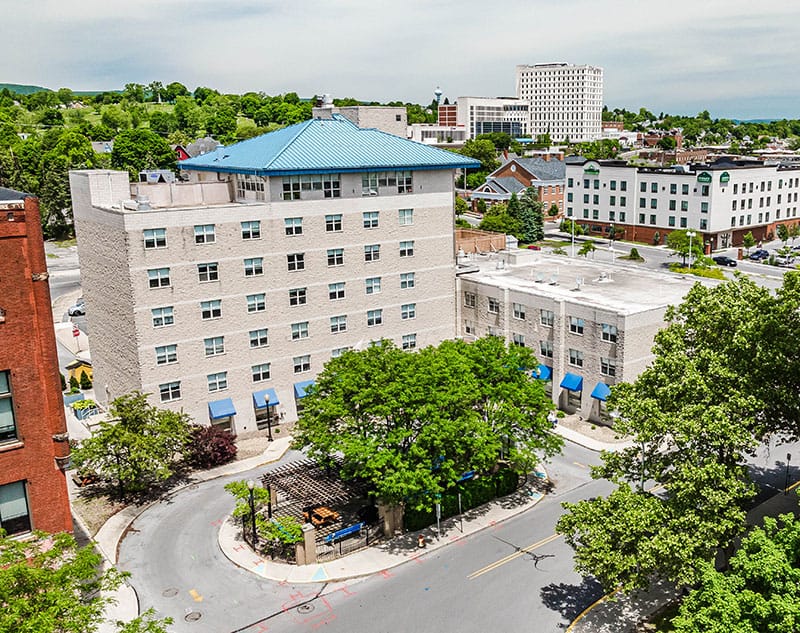
Marian Manor-
NH
AL
IL
MC
SNF
Pittsburgh (Banksville)
118
Facility 118
PA AVG 94
Rank #144 / 552
---------------
27
Facility 27
PA AVG 47
Rank #488 / 657
$7.7MFiscal year ending 05/2023
Facility $7.7MFiscal year ending 05/2023
PA AVG $18.8M
Rank #155 / 167
$6.0MFiscal year ending 05/2023
Facility $6.0MFiscal year ending 05/2023
PA AVG $11.4M
Rank #135 / 167
77.7%Fiscal year ending 05/2023
Facility 77.7%Fiscal year ending 05/2023
PA AVG 69.2%
Rank #27 / 167
395765

Rank badges are statewide: each community is ranked against every PA community we track that reports that metric, not just the 200 on this page.

Rows per page:
Nursing Home Explorer
1...1617

Willow Valley Communities

450 Willow Valley Lakes Dr, Willow Street, PA 17584
Overview of Willow Valley Communities

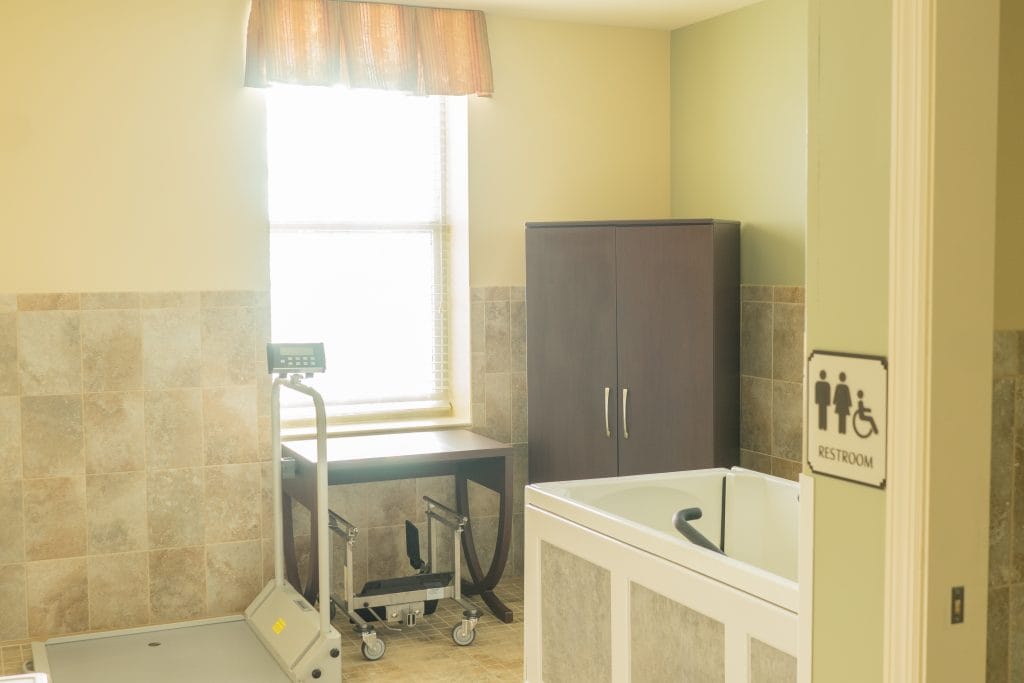
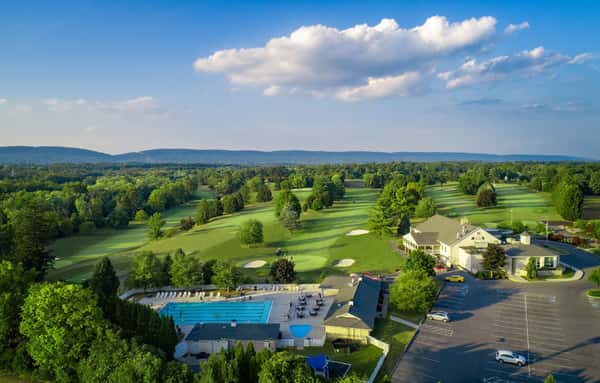
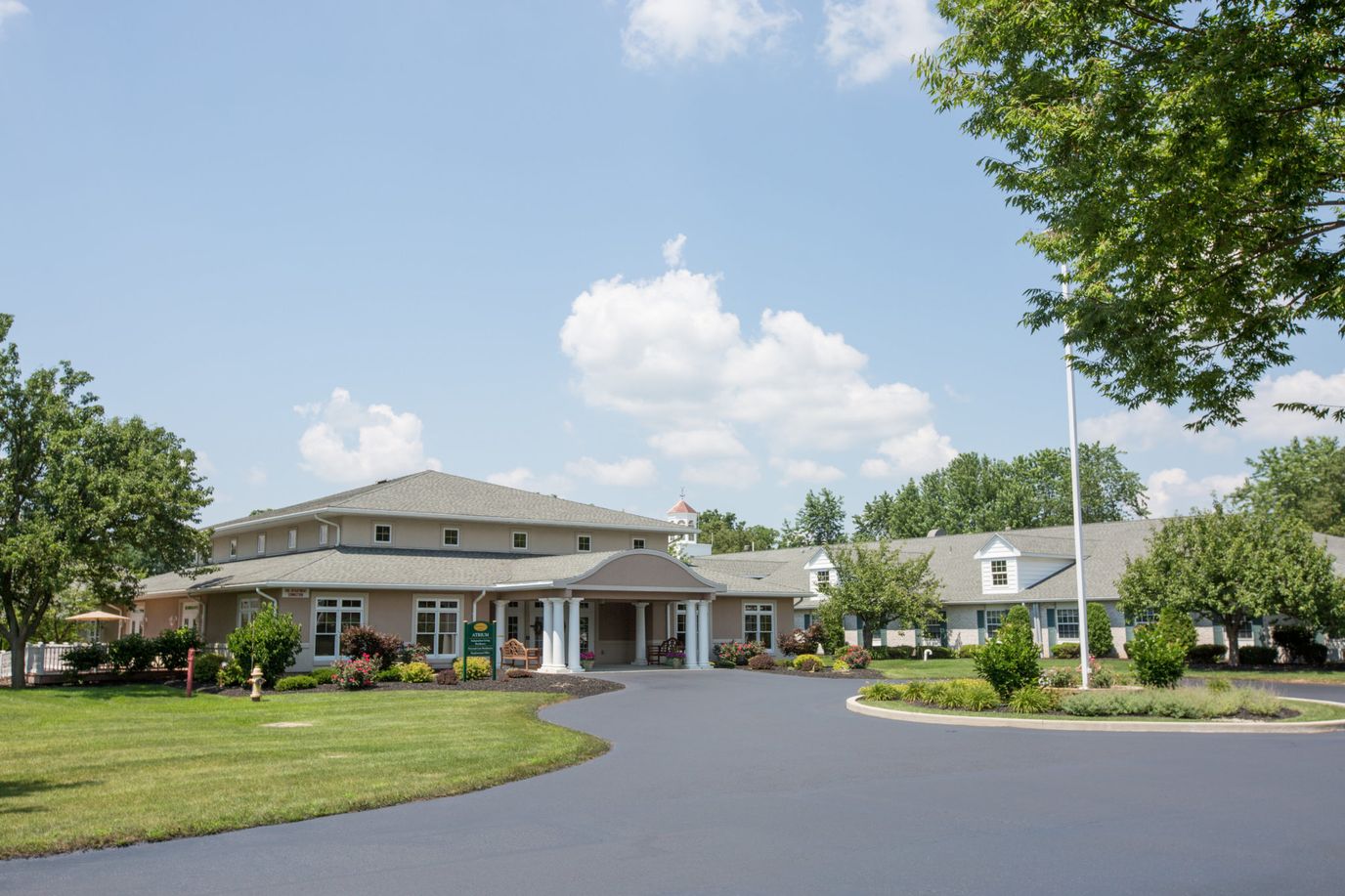
Willow Valley Communities represents an extraordinary blend of luxury and purposeful living. This expansive community offers a diverse spectrum of residential options, from elegant cottages to spacious apartments, providing a range of choices for independent living, assisted living, and skilled nursing care.

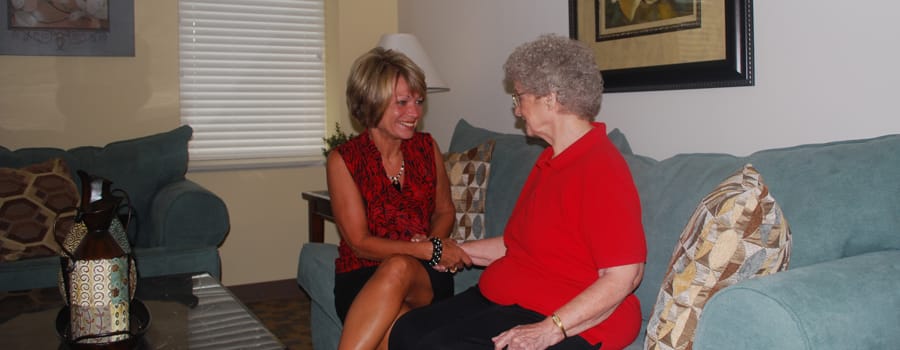
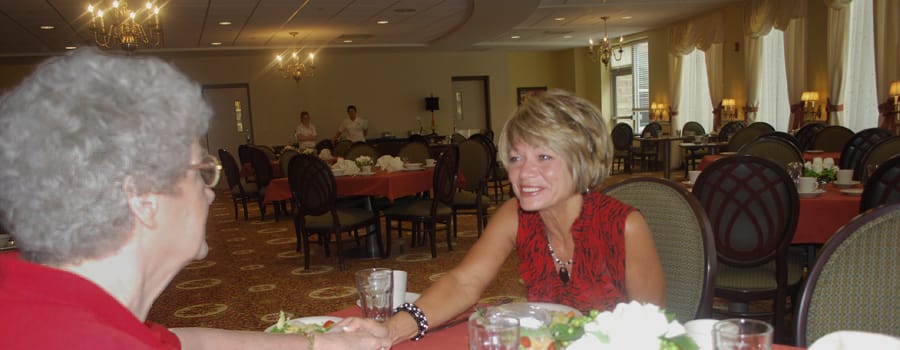
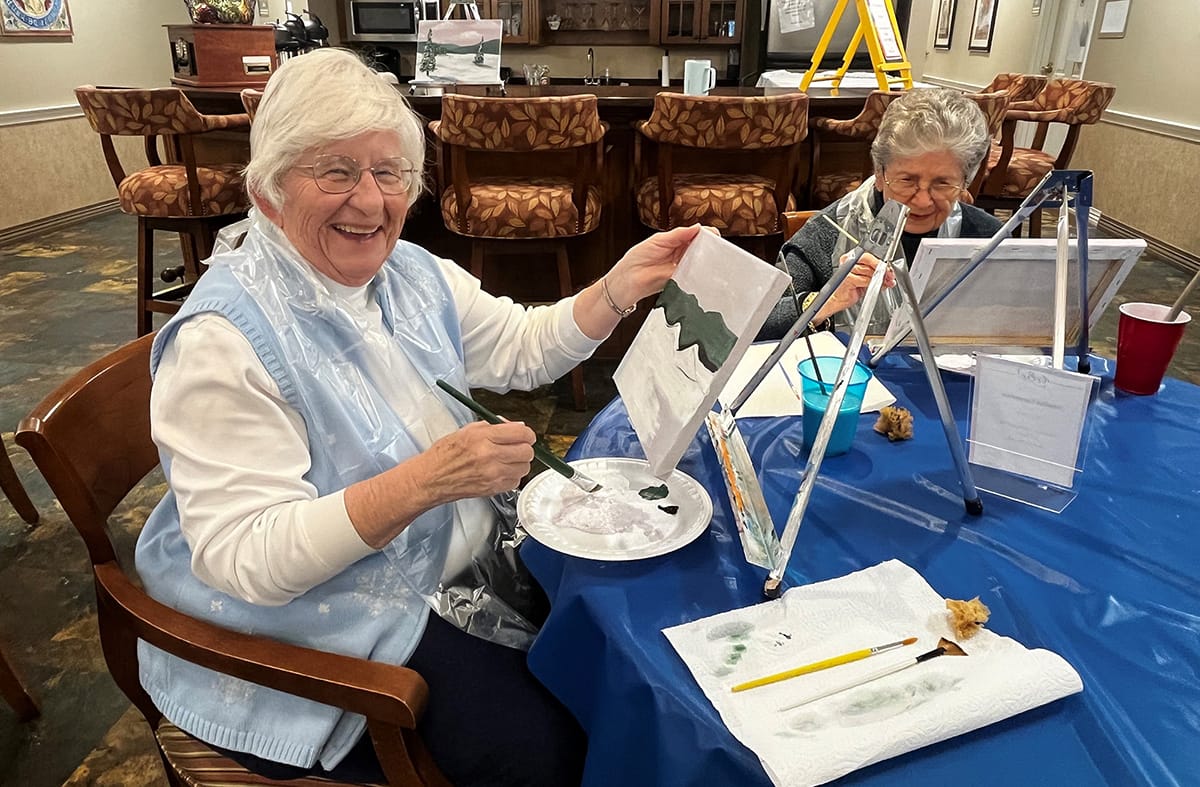
The community buzzes with a rich tapestry of social events, educational programs, and recreational activities tailored to various interests and passions. From art classes to live performances and community outings, residents are encouraged to lead fulfilling lives while forging meaningful connections with neighbors and staff.

Contact Willow Valley Communities

Overview of Chandler Hall Health Services, Inc. – Hicks

Located on Barclay Street, Chandler Hall Health Services, Inc. – Hicks is a nursing home in Newtown, Pennsylvania, that offers a wide range of care options within a 36-bed setting. These include skilled nursing, rehabilitation, palliative care, hospice services, and respite care, with 24-hour staffing available to support residents at all times.

Operating at 64% occupancy, the community has 23 older adults currently in residence. Furthermore, residents have access to many nearby services and amenities without relying heavily on transportation, as its surrounding area is highly walkable with a Walk Score of 83.

The community’s staffing structure focuses on addressing residents’ personal care needs and ongoing medical supervision. In connection, registered nurses are part of the daily care team, providing approximately 48 minutes of care per resident, while nursing aides provide about 2 hours and 26 minutes of direct support. Additionally, LPNs or LVNs contribute around 1 hour and 3 minutes per resident.

With a focus on nutrition and quality, the community serves meals with fresh local ingredients. Amenities include a beauty salon and barber shop, enclosed outdoor areas for gardening activities, and spacious common areas for social programs and personal use. Monitored entrances and 24-hour staff oversight are among the security measures provided.

Medication management and safety procedures, particularly regarding staff training and the secure handling of hazardous materials, are among the recurring concerns identified through state inspections. For families exploring care options, it would be beneficial to discuss these areas of concern and measures taken to maintain compliance.

Contact Chandler Hall Health Services, Inc. – Hicks

Overview of Foulkeways at Gwynedd

Foulkeways at Gwynedd is a non-profit Continuing Care Retirement Community (CCRC) in Gwynedd, Pennsylvania, providing personal care, skilled nursing, and rehabilitation. Delivering a comprehensive spectrum of care designed for active individuals aged 65 and older, the community offers a variety of healthcare solutions that adapt to residents’ evolving needs throughout their retirement.

State oversight records from the past seven years reveal a steady upward trajectory in regulatory compliance, with the strongest performance occurring in recent months. While earlier reviews flagged areas such as medication administration, employee training, and fire safety protocols, subsequent corrective actions successfully resolved these issues. Notably, the most recent inspection resulted in zero deficiencies, and complaints were unsubstantiated.

Tailored fitness programs, diverse dining experiences spread across three distinct venues, varied housing selections ranging from cozy apartments to standalone cottages, and an active social calendar are among the core services offered. The campus also features dedicated rehabilitation and short-term respite care services. Present occupancy is at 68%, suggesting immediate availability.
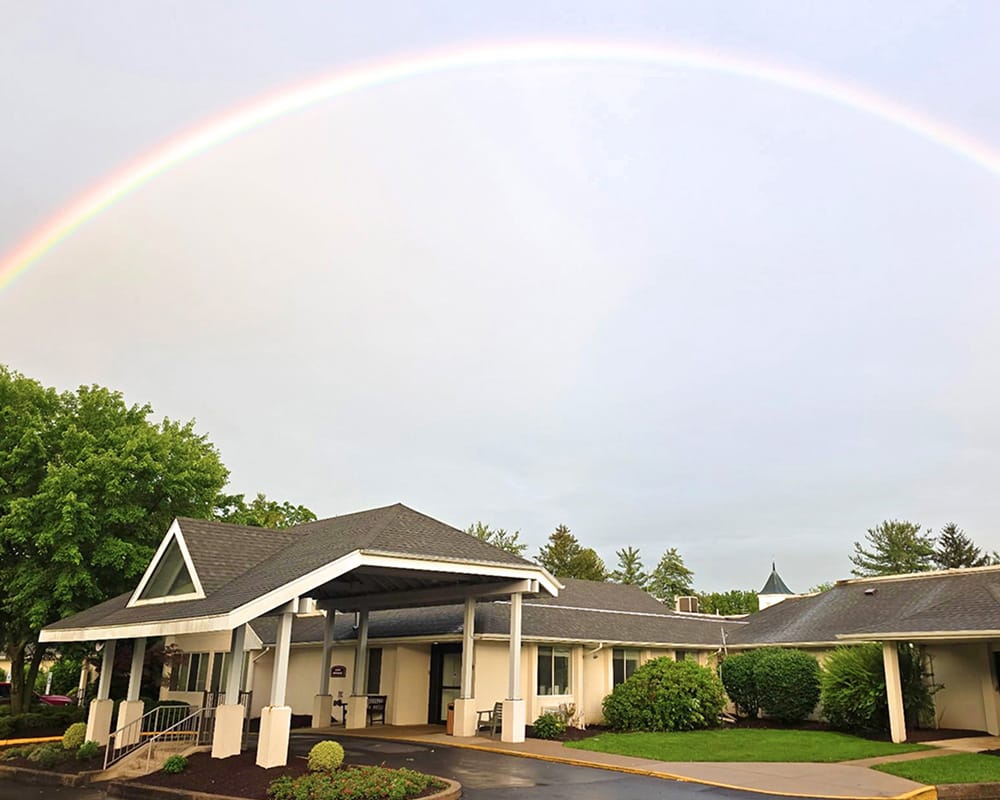
Foulkeways at Gwynedd stands out as an excellent option for older adults prioritizing a structured, long-term healthcare plan within a residential setting.

Contact Foulkeways at Gwynedd

Overview of William Penn Senior Suites and Personal Care

Situated on Walton Road, William Penn Senior Suites and Personal Care is a 108-bed senior care community in Jeannette, Pennsylvania, that offers rehabilitation. The community currently operates at 42% occupancy, focusing on those individuals recovering from illness, injury, or hospitalization, as well as those requiring ongoing nursing support. It also maintains an established presence in the local area and continues to work with state regulators to meet compliance standards.

In the past years, state inspection records show ongoing efforts to enhance operations. Earlier inspections identified concerns related to documentation and resident assessment procedures, which were addressed through corrective action measures. The most recent inspection also reported no deficiencies.

William Penn Senior Suites and Personal Care accepts inquiries from families seeking information about bed availability, staffing levels, available services, and admission requirements.

Contact William Penn Senior Suites and Personal Care

Lehigh Commons

1680 Spring Creek Road, Macungie, PA 18062
Overview of Lehigh Commons

Offering skilled nursing care, Lehigh Commons is a nursing home in Macungie, Pennsylvania, with 80 licensed beds. Situated on Spring Creek Road, the community has a moderately walkable setting, providing convenient proximity to nearby shopping, dining, and municipal services.

Robust wellness programs, gourmet dining options, professional grooming and beauty services, recreational events, and maintenance-free living are provided, following the community’s dedication to comprehensive healthcare. It is also a proud participant in the We Honor Veterans initiative, which provides specialized care and honors for veteran residents.

Through a five-year historical regulatory data review, the community has shown persistent administrative and paperwork hurdles, specifically involving resident assessments, care plan updates, and medication logs. While the vast majority of filed complaints were either resolved or unproven, one verified incident involved a resident sustaining an injury. However, corrective action plans have been implemented, and no enforcement penalties have been issued.

Contact Lehigh Commons

Overview of Brethren Village – Terrace Crossing

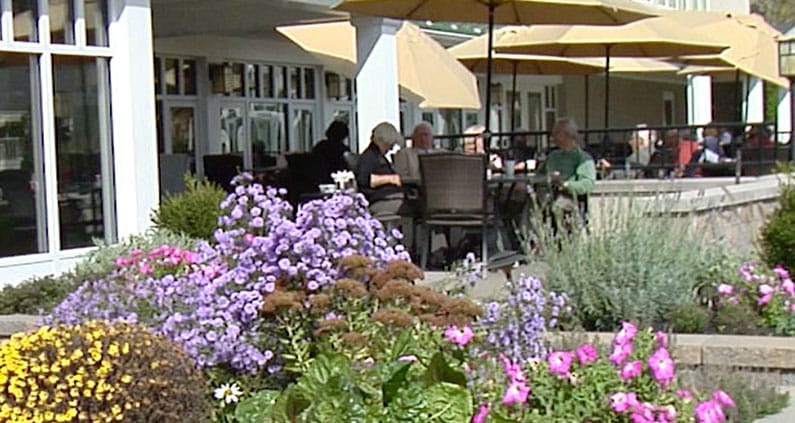
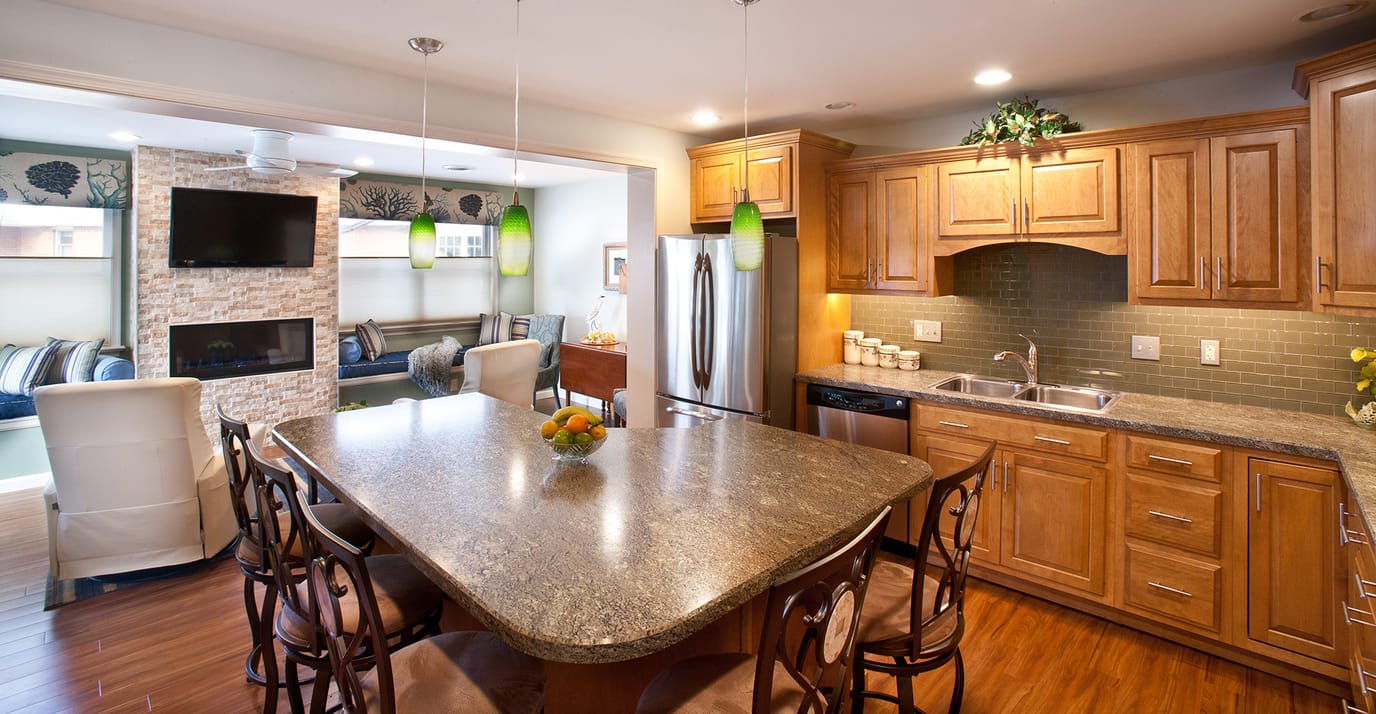
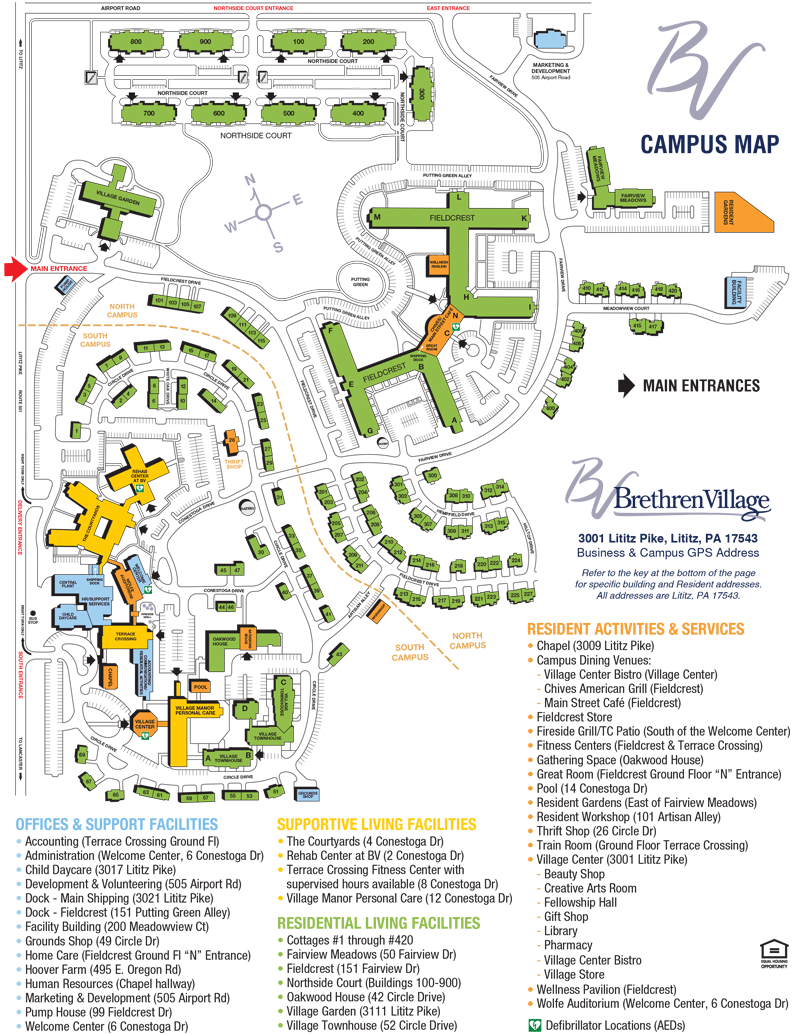
Located in a relatively walkable area on Lititz Pike, Brethren Village – Terrace Crossing is a 98-bed nursing community in Lancaster, Pennsylvania, with a current occupancy of 59%. The community also offers a continuum of care that includes rehabilitation, respite care, short-term rehabilitation, skilled nursing, personal care, memory support, and home care services, which can benefit older adults whose needs may change over time or who require different levels of support.

Aquatic programs and group fitness classes encourage physical activity, while chaplaincy services, therapy programs, and vibrant living activities provide opportunities for social, emotional, and spiritual enrichment. Transportation and concierge services also add convenience for residents and their families.

Incident reporting, medication management, and medication storage procedures are among the recurring concerns cited. However, corrective action plans have been implemented following inspections to address these deficiencies. While some improvements have been made, similar issues have continuously appeared across multiple inspection cycles, suggesting ongoing challenges in maintaining consistent practices in these areas.

Families seeking rehabilitation, respite care, or long-term skilled nursing may wish to learn more about current medication management procedures and incident reporting protocols.

Brethren Village – Terrace Crossing offers multiple levels of care and support within a single community while continuing efforts to strengthen operational consistency and regulatory compliance.

Contact Brethren Village – Terrace Crossing

Overview of Westminster Village at Allentown / Tryko Partners

Nestled in the neighborhood of Allentown, PA, Westminster Village at Allentown is a renowned senior living community, offering a continuum of care services, including independent living, assisted living, memory care, and skilled nursing. Residents here live confidently, knowing that a hardworking care team is available 24-hours a day to attend to their needs. The community features an extensive array of services, including assistance with daily living activities, medication reminders, personal care, and more.

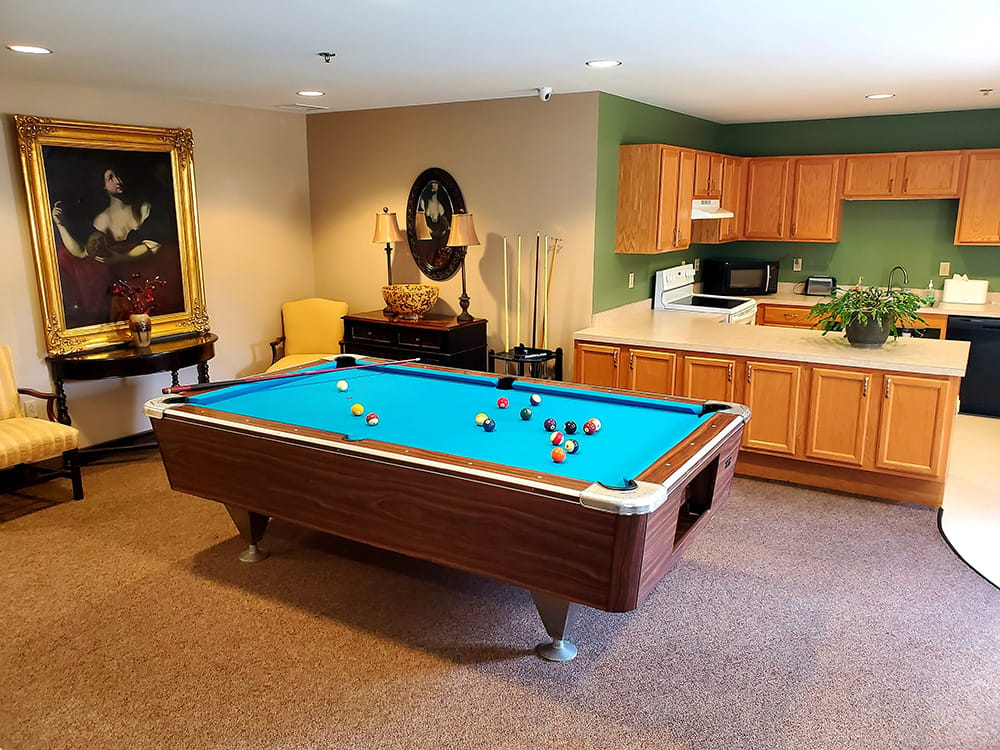
Committed to enriching all aspects of its residents’ lives, the community regularly holds various activities designed to provide residents with an array of opportunities for staying active and connected. Delectable meals with accommodations to special dietary restrictions are offered, along with access to an array of convenient amenities, such as a wellness center, library, fitness room, salon and gaming room, for a more enjoyable living experience.

Contact Westminster Village at Allentown / Tryko Partners

Overview of Presbyterian Senior Living

Under its new name, Presbyterian Senior Living emerges as a seasoned player in the field, having spent three decades refining programs to cater to the diverse needs of older adults. Embracing individual preferences and creating moments of joy define their approach. Situated in Dillsburg, Pennsylvania, this dynamic community offers a range of services, including independent living, personal care, assisted living, memory support, transitional care, skilled nursing, respite care, at-home services, and compassionate end-of-life and comfort care.

Presbyterian Senior Living’s evolution involves broadening its reach while steadfastly upholding the highest standards. With a legacy of experience and an unwavering commitment to quality, they continue to provide a haven where residents’ choices are respected, and their lives enriched by meaningful experiences.

Contact Presbyterian Senior Living

Overview of The Village at Lifequest

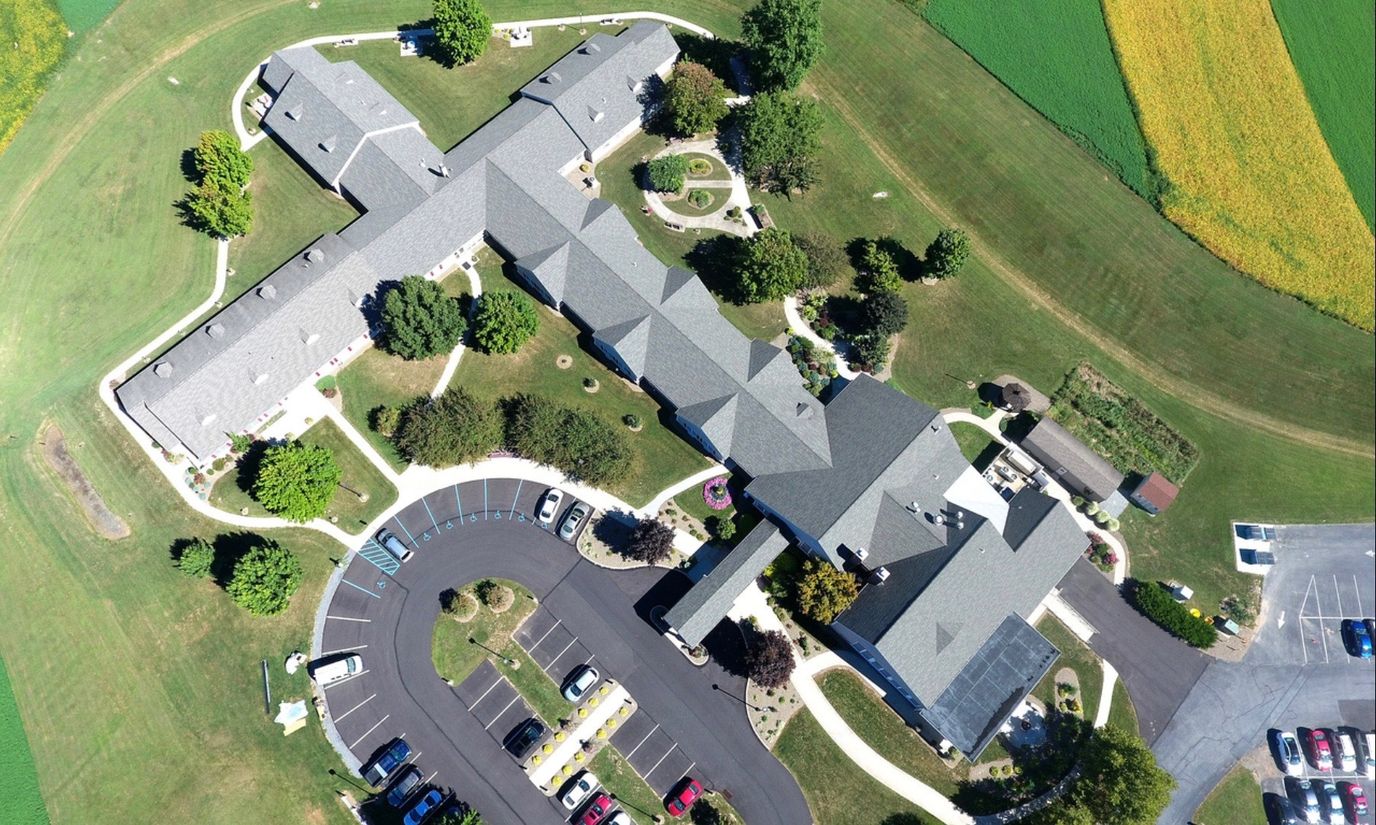
Offering short-term rehabilitation, assisted living, and skilled nursing, The Village at Lifequest is an assisted living community located on Cherry Blossom Lane in Quakertown, Pennsylvania, with 141 beds. Operating at 79% occupancy, the community is home to approximately 112 residents. With a Walk Score of 76, the area is highly walkable, allowing residents and visitors to access many nearby services and amenities.

Emphasizing rehabilitation and recovery, the community is supported by licensed nurses and certified nursing assistants who assist with daily needs. One of the key offerings in the community is short-term rehabilitation, which is beneficial for older adults recovering from surgery, illness, or a hospital stay. Meals are also provided as part of residential living services, helping support daily routines and nutritional well-being.

State inspections have identified areas requiring continued attention, including staff qualifications, medication management practices, and incident reporting procedures. In response, corrective action plans have been implemented to support ongoing compliance and resident safety.

Families seeking rehabilitation services or assisted living options may find it helpful to visit in person to experience the environment, meet team members, and gain a better understanding of daily life within the community. The Village at Lifequest also provides assisted living and rehabilitation services for older adults in a walkable setting.
Contact The Village at Lifequest

Overview of Forest City Personal Care

Forest City Personal Care is a nursing home in Forest City, Pennsylvania, offering independent living options, personal care, long-term support, and short-term rehabilitation. The community accommodates various payment methods, including Medicare, which accounts for 84% of incoming individuals, who typically stay an average of 19 days for rehabilitation, followed by Medicaid at 9%, and private financing at 7%. Managed by Drew Sparks, this 36-bed community also features organized recreational programming and a professional dining service.

Over the past seven years, state evaluations point to noticeable difficulties in recent periods, with the most recent inspection revealing compliance gaps concerning outdated annual health evaluations and missing resident assessments. On a positive note, no formal complaints have been substantiated. Moreover, a monetary fine was issued, with ongoing compliance themes involving pharmaceutical handling, food preparation safety, fire drill tracking, and employee education.

While Forest City Personal Care could adequately serve short-term Medicare rehabilitation patients, its lower staffing ratios and clinical scores warrant thorough evaluation before arranging long-term placement.

Contact Forest City Personal Care

Ranking Methodology

How we rank these nursing homes

Every nursing home above is evaluated across five weighted categories using CMS data including Care Compare, Payroll-Based Journal, and Medicare Cost Reports.

  • CMS data
  • 5 weighted categories
  • Updated quarterly
Full methodology

Weighting overview

  • 35%
    Care Quality
  • 20%
    Staffing
  • 20%
    Regulatory
  • 20%
    Operational
  • 5%
    Environment
01

Care Quality 35%

The largest single share of every ranking. CMS star ratings and quality measures that reflect actual care delivered to residents.

  • Includes
  • Overall Rating
  • Health Inspection
  • QM Rating
  • Long-Stay QM
  • Short-Stay QM
02

Staffing Adequacy 20%

The strongest predictor of resident outcomes. Volume and stability of nursing care, drawn from CMS Payroll-Based Journal.

  • Includes
  • Nurse Hrs/Res/Day
  • RN vs State
  • Total Nurse Staff Hrs vs State
  • RN Turnover
03

Regulatory & Safety Record 20%

Inspection patterns that star ratings can mask. We weight per-inspection rates more heavily than raw counts.

  • Includes
  • Citations
  • Citations/Inspection
  • Severe Citations
  • Fines
  • Accreditations
04

Operational & Financial Stability 20%

Stable operations and sound finances are leading indicators of consistent care over time.

  • Includes
  • Occupancy vs State
  • Avg Length of Stay
  • Revenue
  • Payroll %
  • Years in Operation
  • Admin Tenure
05

Environment & Accessibility 5%

Context that matters to families but doesn't directly measure clinical care. Weighted lower for nursing homes than for assisted or independent living.

  • Includes
  • Walk Score
  • BBB Rating
No paid rankings Facilities cannot pay to influence placement.
How we're paid: If we help you find a home and you move in, that home may pay us a referral fee. This never affects where they rank or what you pay. Learn more
Submit a correction
Who we are

Your Senior Care Partner, Every Step of the Way

We help families find affordable senior communities and unlock same day discounts, Medicaid, and Medicare options tailored to your needs.
Contact us Today

Frequently Asked Questions about Nursing Homes in Pennsylvania

What's the difference between assisted living and a nursing home in Pennsylvania?

Assisted living in Pennsylvania is a residential model focused on housing, hospitality, and help with daily activities. Nursing homes (skilled nursing facilities) provide 24/7 medical care from licensed nurses for residents with significant health needs, and are regulated more strictly under both state and federal CMS rules.

Does Pennsylvania Medicaid cover nursing home care?

Yes — Pennsylvania Medicaid covers nursing home care for residents who meet income, asset, and medical-need eligibility requirements. Most CMS-certified nursing homes accept Medicaid as a primary payer once long-term-care eligibility is established.

What is nursing home care?

Nursing homes (also called skilled nursing facilities) provide 24/7 medical care from licensed nurses, rehabilitation services, and long-term custodial care for residents with significant health or functional needs.

How many nursing homes are listed on this page?

This page features 200 nursing homes in Pennsylvania. Use the filters and comparison tools above to compare ratings, amenities, and pricing.

How do I choose the right nursing home in Pennsylvania?

Start by matching the level of care offered to the resident's current and anticipated needs, then compare licensing status, staff-to-resident ratios, recent inspection results, and pricing. Tour at least two or three communities in Pennsylvania, talk to current residents and families, and confirm what is included in the base rate versus billed as add-on services.

What should I look for when visiting nursing homes in Pennsylvania?

Pay attention to staff interactions with residents, cleanliness and odor, food quality at meal times, the activity calendar, and how questions about pricing and care plans are answered. Ask to see the most recent state inspection report, the move-out / level-of-care-change policy, and a sample monthly bill that lists every fee.