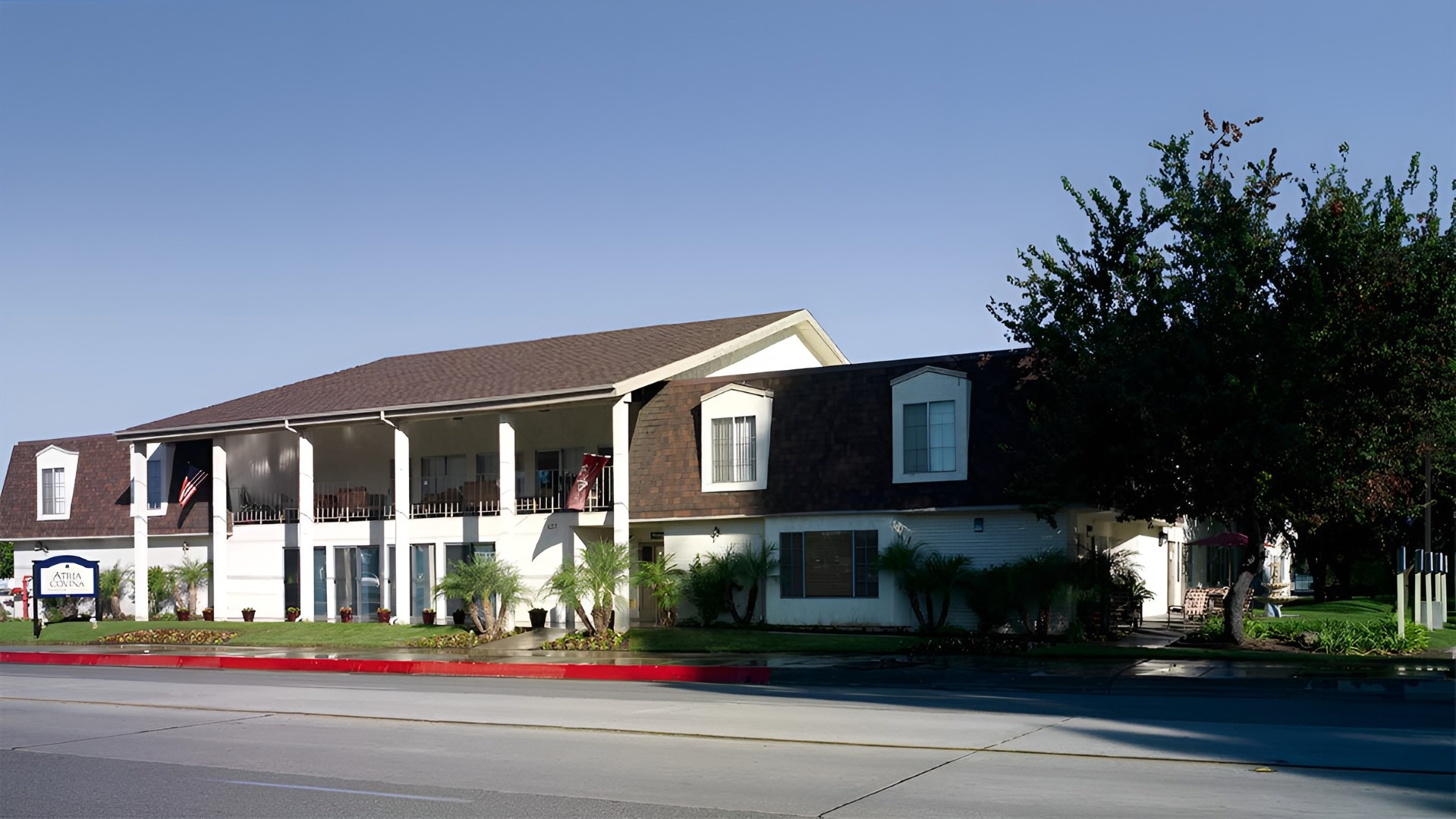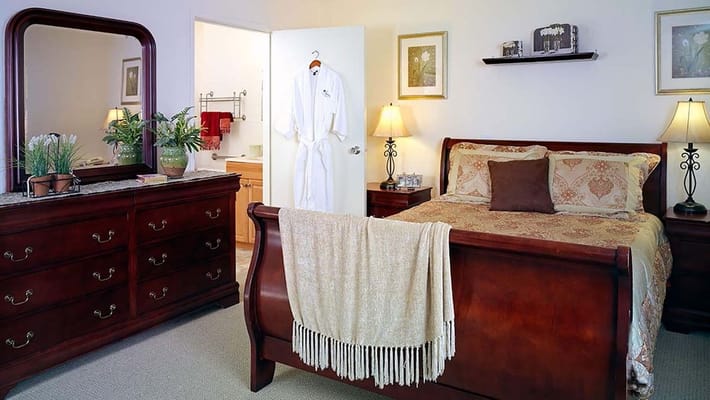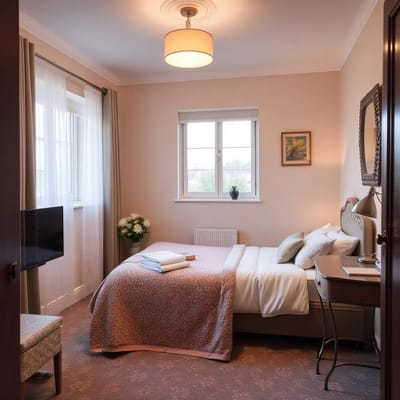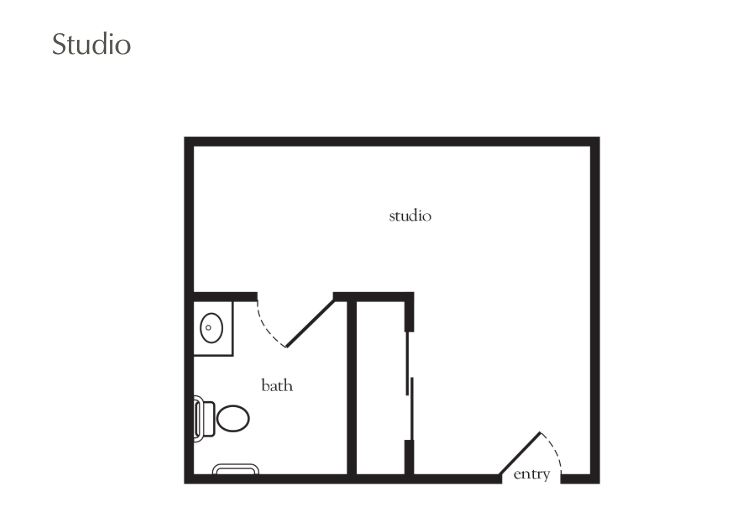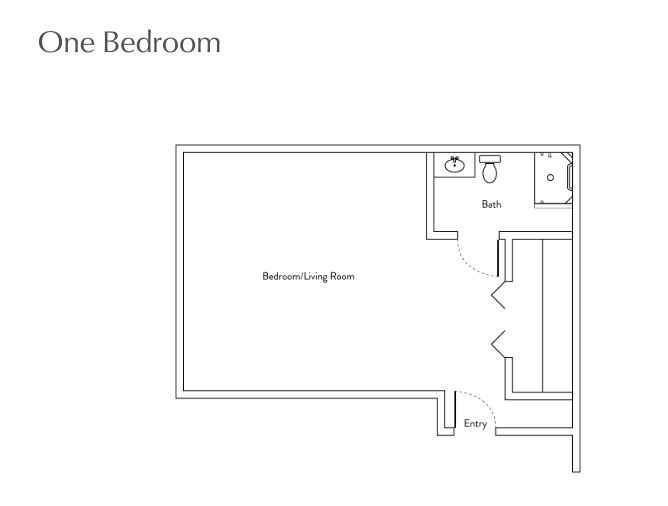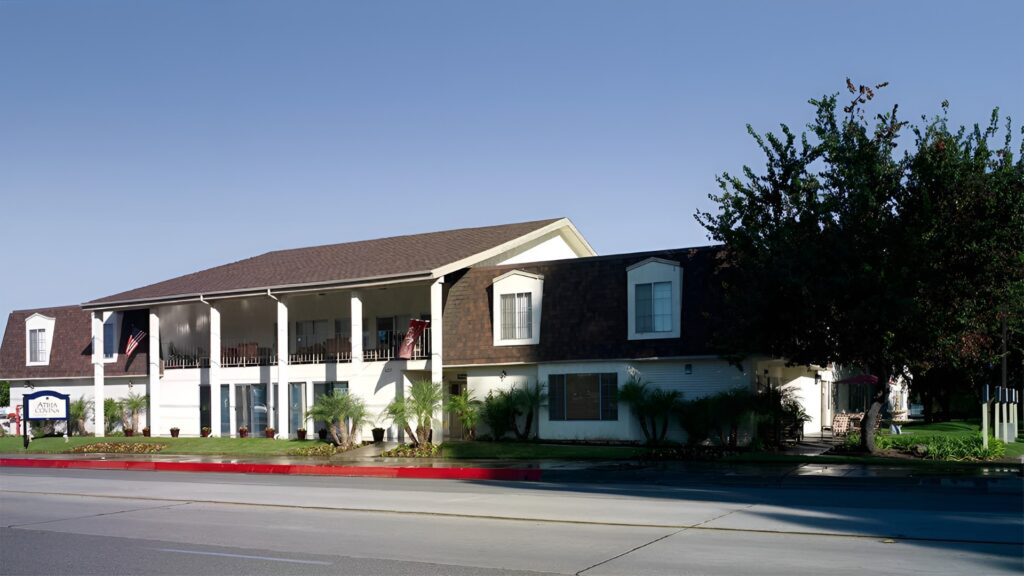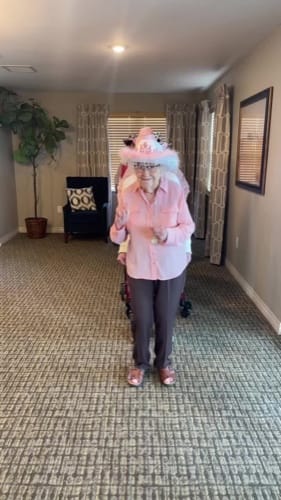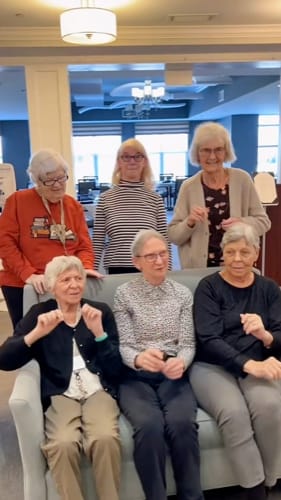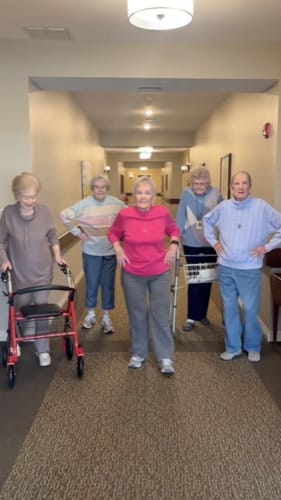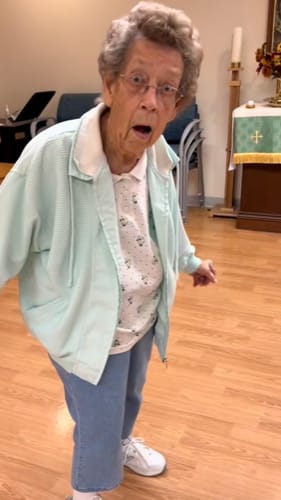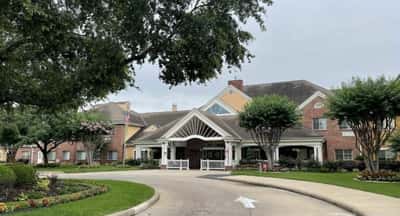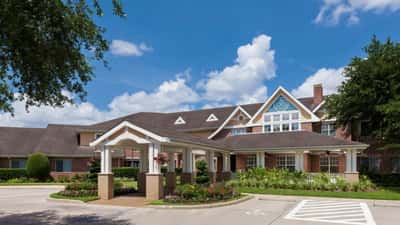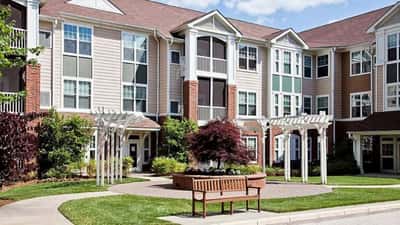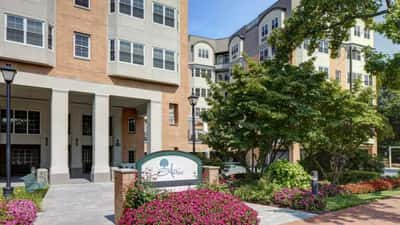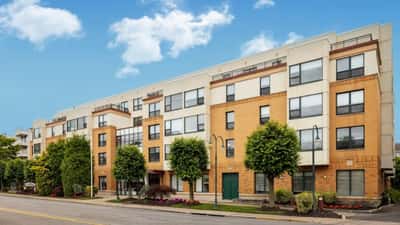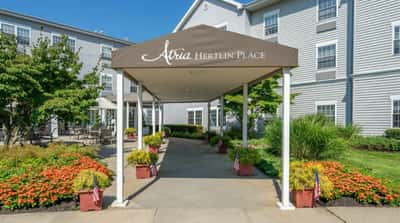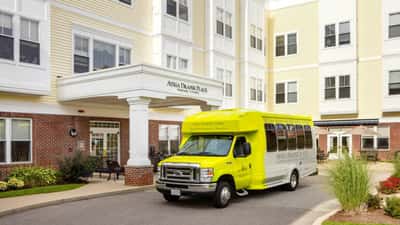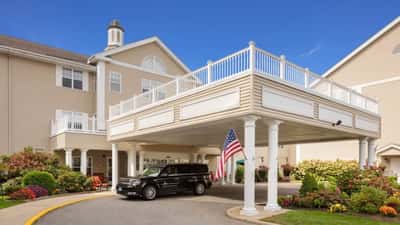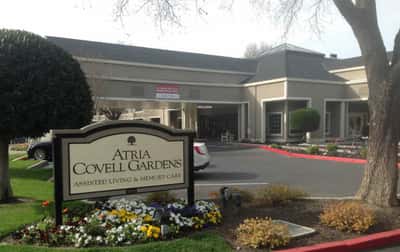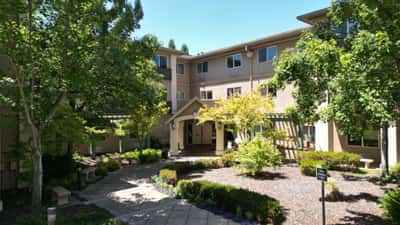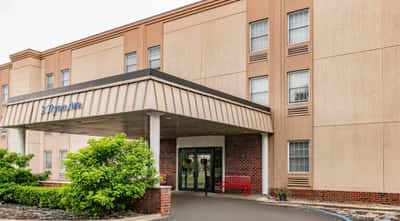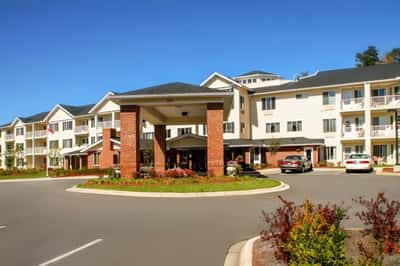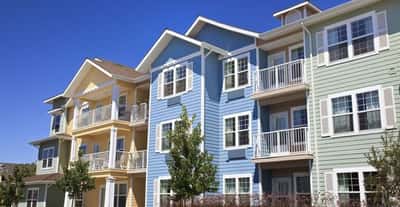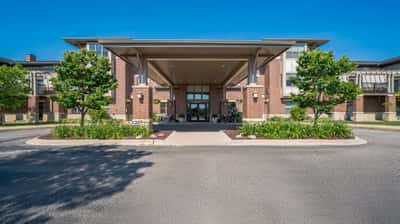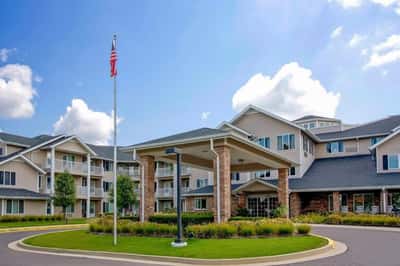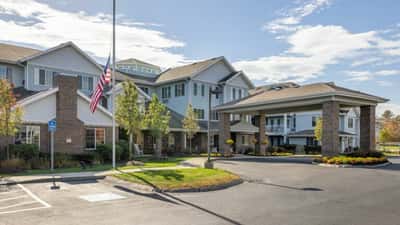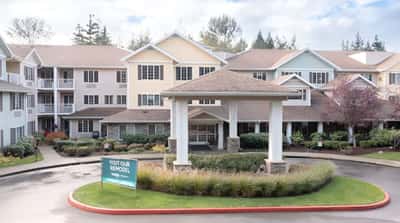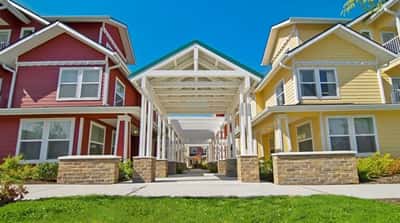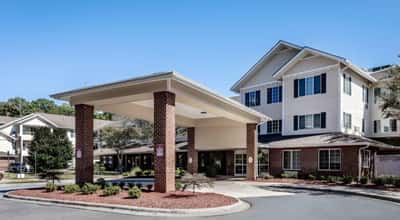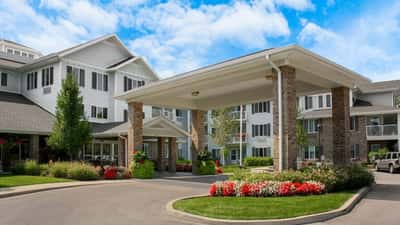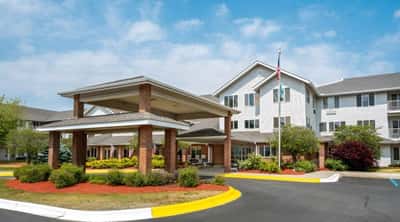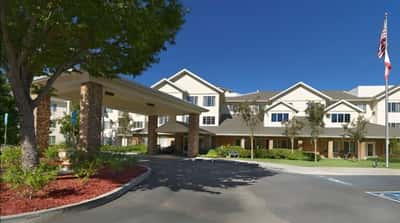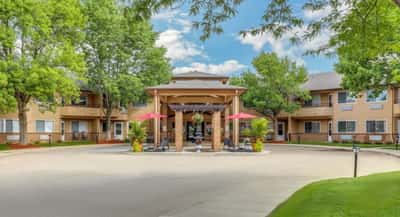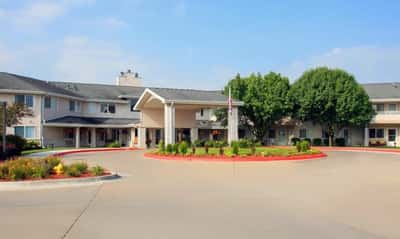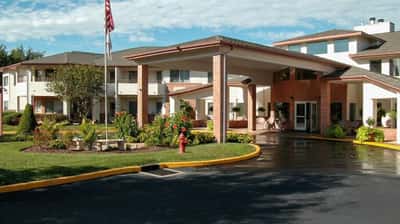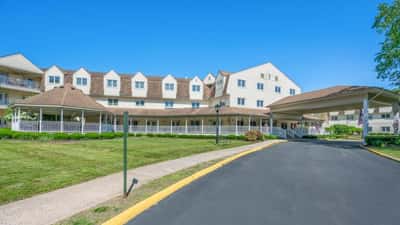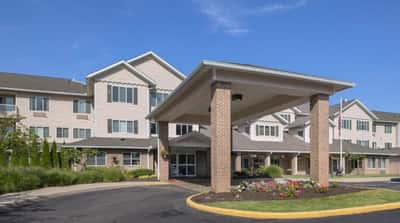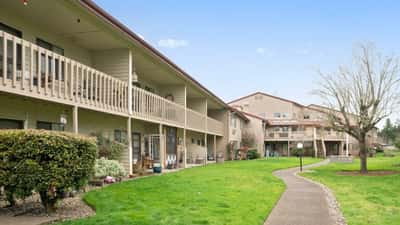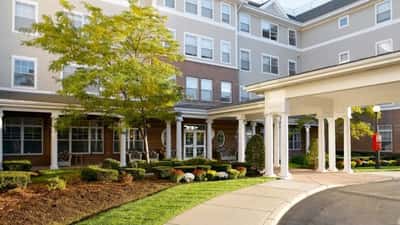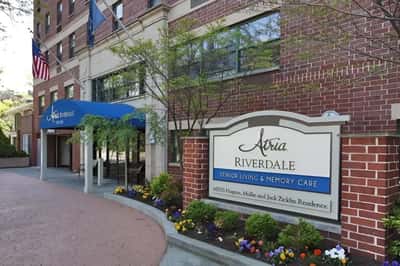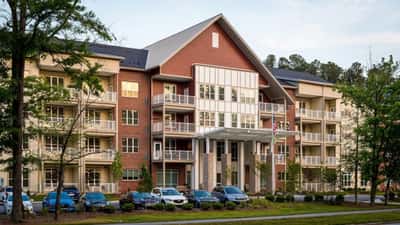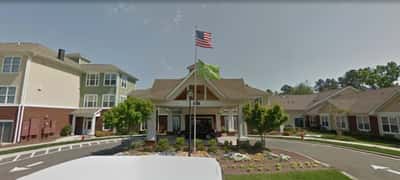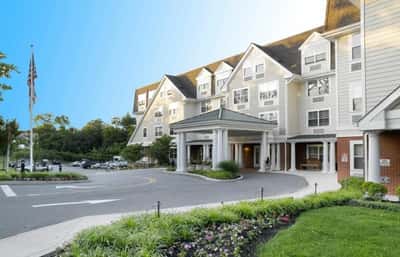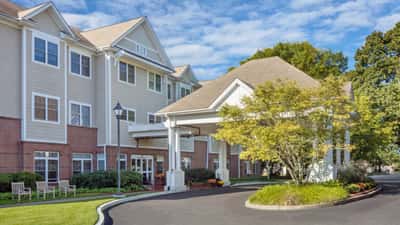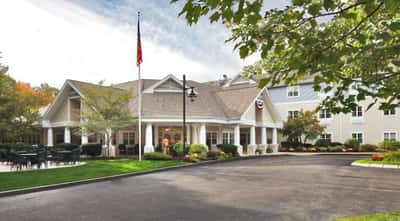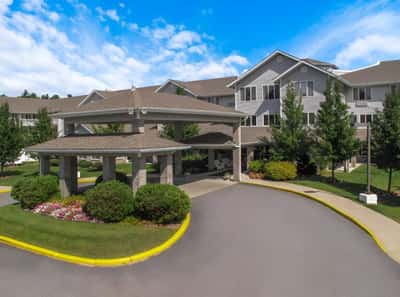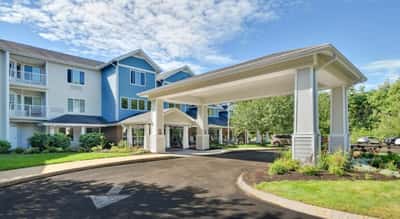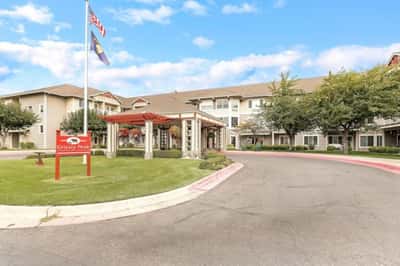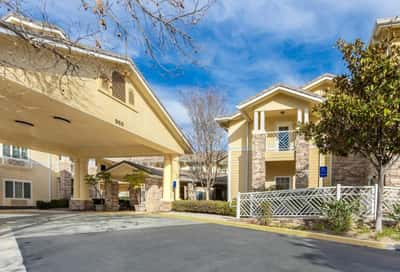

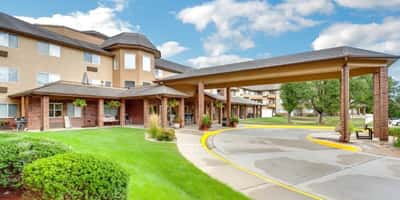
Situated in a quiet residential neighborhood in Covina, California, inside Los Angeles County, Atria Covina is a premier senior living community that accommodates different levels of care needs by providing active independent living and assisted living options. Atria Covina offers its residents a wide range of amenities, including housekeeping, chef-prepared meals, and concierge support, all of which are provided by a committed team of people who work around the clock.
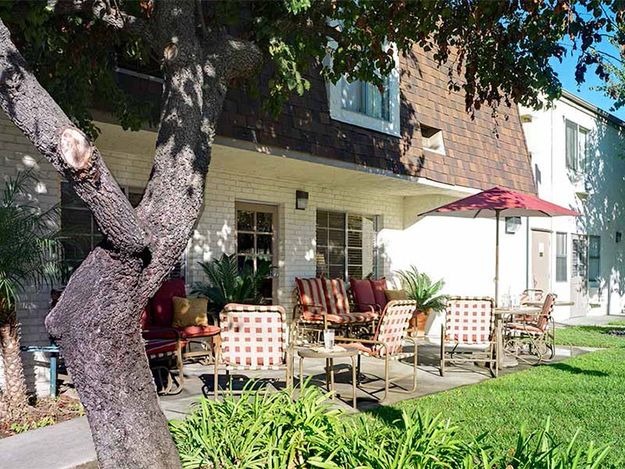
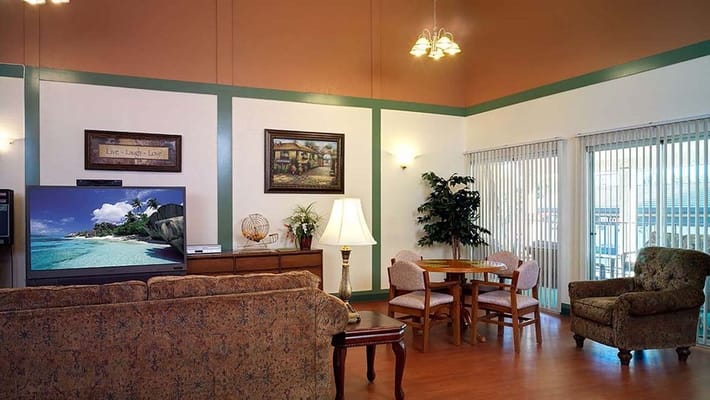
Atria Covina strives to improve residents’ quality of life by providing caring assistance and interesting amenities. The neighborhood has walking trails, a patio, outdoor grilling, a private dining area, off-site pool access, a library, a salon, and a game room. Atria Covina is pet-friendly, has Wi-Fi in open spaces, and offers daily opportunities for social, cultural, educational, and physical fitness, making it a perfect senior living community for those wishing to live a vibrant and fulfilling retirement.
Share This Listing
What families are saying
Quality of care and staff professionalism
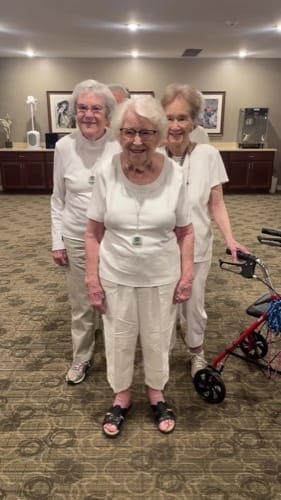
The staff at Atria Covina are consistently praised for their friendliness, attentiveness, and ability to create a welcoming atmosphere, which significantly contributes to the residents feeling at home and well-cared for.
Care & staff
Cleanliness, hygiene, and facility upkeep
The facility offers a well-maintained, clean, and cozy environment, which is consistently noted as enhancing the residents' comfort and overall living experience.
Cleanliness
Home Information Atria Covina
Inspection Report Summary for Atria Covina
The California Department of Social Services investigated Atria Covina (Facility #191592479) on three occasions in 2021 and 2022, each time in response to a formal complaint. In June 2021, concerns were raised that staff had failed to provide adequate medical care, had not responded to changes in a resident’s condition, and that the facility was dirty. The evaluator conducted interviews with all staff and residents, reviewed incident and cleaning logs, and observed the premises. Findings indicated that medical care was timely and appropriate, changes in residents’ conditions were reported promptly, and the environment was clean and well maintained. Consequently the allegation was declared unsubstantiated.
In November 2021 a serious allegation of sexual abuse by an unknown individual was examined. The evaluator met with the administrator, interviewed staff and residents, reviewed medical and incident records, and consulted an urgent‑care nurse. The resident could not corroborate the incident and had no injuries; police and medical reports found no evidence of assault. The evaluator noted a lack of cameras and witnesses and therefore ruled the claim unsubstantiated.
A follow‑up investigation in April 2022 addressed a claim that a resident had not been reimbursed for services not received. The evaluator reviewed billing documents, resident and staff statements, and conducted interviews. Prior visits had already examined the resident’s account and confirmed that the resident remained an active occupant, thus disqualifying any refund entitlement. The evaluator found no documentation supporting the resident’s request for reimbursement and recorded the allegation as unsubstantiated.
Across all three investigations, the department found no evidence of non‑compliance, misconduct, or neglect at Atria Covina. Staff demonstrated adherence to training protocols, timely medical response, and diligent record keeping. The pattern of unsubstantiated findings suggests that while complaints were lodged, the facility’s policies and practices met regulatory standards, and the alleged violations could not be substantiated with the available evidence.
Bed Count (Facility Capacity)
This is the number of people who can stay here (Facility Capacity).
90
Years in Business
36
Community Stability & Environment
Current Availability 63 of 90 beds occupied
Occupancy rate of 70%.
Licensed Since Date when the facility's license was first issued by California
August 24, 1989
Walk Score Walk Score in senior living communities measures how easy it is for residents to access essential services and amenities—like grocery stores, parks, pharmacies, and transit—without needing a car.
87 / 100 Very Walkable
Most errands can be accomplished on foot. Many essentials within a short walk. Strong sidewalk network and safe crossings. Car useful but not necessary for daily life.
Safety, Compliance & Inspections Overview
All Visits Total number of inspections, complaint visits, and administrative visits conducted by California regulators.
14 visits
Inspections Number of formal inspections conducted by California regulators.
5 inspections
These are formal, scheduled state inspections (not complaint investigations).
Complaint Visits Inspections triggered by official complaints filed with the state.
7 complaints
Other Visits Administrative or follow-up visits not related to complaints or inspections.
4 visits
Citations Number of deficiencies or violations identified during inspections conducted by California regulators.
1 citation
Inspection Reports Opens the facility's official licensing and inspection record as maintained by the California transparency or regulatory portal.
View Inspection Reports
Facility & Licensing Details
County County in California where the facility is located.
LOS ANGELES
Facility Type Indicates the state-regulated license category used in California (e.g., Residential Care Facility for the Elderly).
RESIDENTIAL CARE ELDERLY
License Status Shows whether the facility is currently licensed, closed, or pending renewal in California.
LICENSED
Licensee / Operator Entity or organization legally responsible for managing this facility under California regulations.
WG COVINA SH LP; ATRIA MANAGEMENT CO LLC
Touring a community? Use this expert-backed checklist to stay organized, ask the right questions, and find the perfect fit.
Location
Community Spaces and Overall Environment
Services
Staffing
Accommodations
Finances
Other Notes
0/250
Send Checklist to Your Email
We'll send you a PDF version of the touring checklist.

Types of Care at Atria Covina
Independent Living
Assisted Living
Types of Care
Assisted Living
Definition: Residential care for older adults who need help with activities of daily living (ADLs) such as medication management, bathing, dressing and meals.Purpose: Support independence while providing daily assistance and limited medical oversight — a step below nursing home care.Focus: Safety, personal care, social engagement and a community-based lifestyle.Amenities and Services: Often include:

• Recreational activities
• Housekeeping and laundry
• Transportation
• Meal servicesCare Level: 24/7 staff availability with personalized care plans; limited clinical care compared to nursing homes.
Home Care
Home care is a type of care wherein qualified professionals assist with activities of daily living (ADLs), like personal hygiene, meal preparation, and dressing, at home. This type of care provides a wide range of services, including personal care, skilled nursing care, rehabilitation services, and companionship. This is ideal for those looking to stay at home in retirement but needing care and support for ADLs and chronic conditions. Hourly care and live-in care are often provided for flexibility, ensuring older adults receive care tailored to their needs and preferences.

Skilled Nursing
Skilled nursing care is a type of care provided by registered nurses in a medical setting under a physician’s supervision, focusing on intensive medical care and rehabilitation. It is typically provided in hospitals and purposely built skilled nursing communities and healthcare centers, usually aimed at short-term and transitional care.
Nursing Care
Nursing care is usually provided in a nursing home environment by nursing aides and licensed practical nurses. This type of care focuses on helping older adults with activities of daily living (ADLs), like personal hygiene and medication, alongside medical care. Long-term residential care is provided, helping those with complex medical needs, chronic conditions, cognitive, functional, and behavioral issues.
Respite Care
Respite care, also known as short-term stay, allows primary caregivers to rest and have time for themselves by providing care for their loved ones. This type of care is temporary and may range from a few hours to weeks, provided either at home or in a senior care community.
Memory Care
Definition: Specialized residential care for people with memory loss, Alzheimer’s disease or other forms of dementia.Purpose: Provide a safe, structured environment with trained staff and programs tailored to cognitive impairment.Focus: Secure settings, enhanced supervision and routines that support memory and reduce stress.Amenities and Services: Typically include:
• Assistance with ADLs
• Cognitive stimulation and therapeutic activities
• Secure indoor/outdoor spacesCare Level: Staff specially trained in dementia care with higher caregiver-to-resident ratios.
Independent Living
Definition: A living option typically for those 55 and over, including senior housing, retirement homes, and active adult communities.Purpose: Ideal for those seeking to live with peers of the same age without needing support for activities of daily living (ADLs) or medical care.Focus: Emphasizes convenience and recreation, eliminating the hassles of housekeeping and maintenance.Amenities and Services: Offers a variety of amenities, which may include:
• Spa
• Concierge
• Community gathering spacesLuxury Levels: Amenities vary depending on the level of luxury provided by the community.
Hospice Care
Focusing on those with life-limiting conditions or terminal illness, hospice care provides physical, emotional, social, and spiritual support. This type of care aims to ease older adults’ discomfort and pain and does not focus on finding a cure. Typically provided with a multidisciplinary team of doctors, nurses, social workers, and hospice aides, in older adults’ preferred setting, may it be at home, hospital, or senior living community. Hospice care provides care for those with a life expectancy estimated at six months or less.
Nursing Home
This type of retirement option focuses on older adults who require advanced healthcare but do not necessarily require hospital care. Nursing homes often provide a wide range of personal care, health care, and skilled nursing, tailored to older adults’ healthcare needs. This is ideal for those who cannot stay at home due to complex healthcare needs but do not need to be in a hospital setting.
Residential Care
A senior living option that focuses on providing support with activities of daily living, including personal hygiene and medication management. However, unlike assisted living, this type of care provides a smaller and more intimate environment, catering to a smaller number of residents. This is ideal for those needing assistance with daily living without extensive medical care and preferring a smaller setting.
Adult Day Care
This type of care provides curated activities for older adults in a non-residential care setting, promoting holistic well-being with health, social, nutritional, and emotional support. Adult day care promotes social interactions in a supervised manner, allowing family caregivers to rest during the day. This is beneficial in terms of preventing loneliness in older adults and providing additional support for family caregivers.
Palliative Care
This type of care focuses on providing comfort, pain relief, and emotional support for those with serious illness. Unlike hospice care, palliative care provides support at any stage of the illness, even alongside curative treatments. This can be provided at home, in nursing homes, in hospitals, and in other senior living communities.
Continuing Care Retirement Communities (CCRC)
Continuing Care Retirement Community (CCRC) is a type of senior living community that provides a wide range of care options in a residential setting. Also known as a life plan community, CCRC often provides independent living, assisted living, memory care, and skilled nursing, allowing older adults to age in place. Due to its comprehensive care, older adults do not have to transfer to communities when the level of care increases.