Page 34 of Best Nursing Homes in New York State

Why trust this guide? Our editorial team analyzed 457 nursing homes in NY using CMS data, inspection records, complaints, amenities, and facility-level details. How we rank nursing homes in NY
Reviewed by
Last updated
We analyzed These are the facilities in New York State our team has analyzed — not a count of every nursing home provider in New York State.
457 homes
Other senior care options in New York:

Video Tour: Top-rated Nursing Homes facilities in New York State.

Watch this Video to see New York State's Top-rated Senior Communities
Avg Overall CMS Rating: 3.1/ 5The average Overall CMS Rating for all CMS-certified nursing homes in New York State. Ratings combine health inspections, staffing, and quality measures, with inspections weighted most. Individual facilities can vary widely from this average.
National Average: 3.2/ 5
Avg Staffing Rating: 2.7/ 5The average Staffing Rating across all CMS-certified nursing homes in New York State. Reflects nursing staff hours per resident per day (including RNs), adjusted for residents' care needs. Individual facilities can vary widely from this average.
National Average: 3.4/ 5
Avg Health Insp. Rating: 2.8/ 5The average Health Inspection Rating across all CMS-certified nursing homes in New York State. Based on each facility's recent inspections and complaint investigations, weighing the number, scope, and severity of deficiencies. Individual facilities can vary widely from this average.
National Average: 3.0/ 5

Compare Nursing Homes around New York State

Info below is compiled from CMS reports & the NY State Dept. of Health (NYSDOH), senior community websites & trusted data sources such as Walk Score & BBB.

Communities are listed from highest to lowest based on our ranking methodology.

The facility name. Click to view the full profile page on Assisted Living Magazine, including photos, services, and contact info.
CMS (Centers for Medicare & Medicaid Services, the federal agency that regulates nursing homes) Overall 5-star rating — a composite of Health Inspection, Staffing, and Quality Measures scores. 5 stars = top 10% nationally. 1 star = bottom 10%. The single most important number to start with when comparing facilities.
Care Types in This Table AL (Assisted Living): Housing with help for daily activities like bathing, dressing, and medication, without 24-hour skilled nursing. NH (Nursing Home): 24/7 skilled nursing care for residents with complex, ongoing medical needs. SNF (Skilled Nursing Facility): Round-the-clock nursing care, often for recovery after surgery, injury, or illness. MC (Memory Care): Secured, specialized care for people living with Alzheimer's or dementia. RC (Respite Care): Short-term temporary care that gives family caregivers a break. HOS (Hospice Care): Comfort-focused care for those with a terminal illness, prioritizing quality of life over treatment. ADC (Adult Day Care): Daytime supervision, health monitoring, and social activities for seniors who live at home. PC (Palliative Care): Comfort-focused care for serious illness at any stage, including alongside curative treatment.
Neighborhood or city area where the facility is located. Proximity to family, hospitals, and green space matters for both quality of life and ease of visitation. Consider drive time and transit access when evaluating location.
Licensed bed capacity. Larger facilities (300+ beds) often have more specialized programs but can feel institutional. Smaller homes (under 150 beds) tend to deliver more personalized care. Compare with Avg Res/Day to understand how full the facility typically runs.
Percentage of licensed beds filled on an average day. Color indicates financial health: green (90%+) = operationally strong, typically profitable. Amber (80–89%) = stable but leaving revenue on the table. Orange (70–79%) = financial strain likely, may struggle with fixed costs. Red (<70%) = significant distress, closure or ownership change risk increases sharply.
This facility's occupancy rate compared to the statewide average for similar facilities. A positive number means above-average demand. Facilities running 5%+ above the state average are typically the most sought-after in their market — a strong proxy for reputation.
CMS-adjusted total nurse hours per resident per day (RN + LPN + CNA combined). The national average is approximately 3.5 hrs. Higher is better — more direct care time per resident. Below 3.0 is a red flag. CMS weights RN hours more heavily because RNs handle complex clinical decisions that CNAs cannot.
CMS Health Inspection star rating (1–5 stars), based on the 3 most recent annual state surveys plus any complaint investigations. This is the hardest rating to manipulate — it reflects real surveyor findings on-site. 5 stars = fewest deficiencies found. 1 star = most. It carries the heaviest weight in the Overall CMS rating.
CMS Staffing star rating (1–5 stars), based on daily nurse staffing hours submitted to CMS via verified payroll data. Compares RN, LPN, and CNA coverage relative to resident acuity level. 5 stars = well above expected staffing. Weekend staffing is evaluated separately, as that's where many facilities quietly reduce coverage.
CMS Quality Measures star rating (1–5 stars), based on 15 clinical outcome metrics including fall rates, pressure ulcers, antipsychotic drug use, and hospital readmissions. Captures actual resident health outcomes, not just compliance. High QM combined with low Health Inspection scores can indicate a facility with strong care but weak documentation practices.
Registered Nurse hours per resident/day compared to the statewide average. RNs are the highest-skilled nursing staff — they assess residents, manage medications, and respond to emergencies. A value of +50% means RN coverage is 50% above the state norm. Negative values are a concern for residents with complex or acute medical needs.
Total nursing staff hours (RN + LPN + CNA combined) per resident/day vs. the statewide average. A broader measure than RN vs State — it captures the entire care team. A facility can have high total staffing but low RN hours, meaning more aides and fewer nurses. Read both columns together for the full picture.
Total dollar amount of federal monetary fines (civil money penalties) issued by CMS in the past 3 years. Fines are only levied for serious violations — typically actual harm to residents, repeated uncorrected deficiencies, or systemic non-compliance. Even a single fine is noteworthy. Multiple fines strongly suggest a pattern, not isolated incidents.
Total health deficiency citations from the most recent standard inspection cycle. Minor citations (scope A–C) are common and often administrative in nature. Higher counts aren't always disqualifying, but should be read alongside Severe Citations to understand actual harm levels. Under 10 is strong for a large facility; 30+ warrants a closer look.
Average deficiency citations per CMS inspection (survey) in the reporting window — total citations divided by the number of inspections. Lower is better; compare alongside total Citations and Severe Citations for context.
Citations at CMS scope/severity level G or higher — G–I means actual harm occurred; J–L means residents were placed in immediate jeopardy. (D–F is potential for harm only). Examples include unaddressed falls, medication errors causing injury, neglect, or abuse.
Average number of residents in the building on any given day, derived from annual census data. Reflects true operating scale — a 400-bed facility running 200 residents/day operates very differently from one at 390. Higher resident counts generally mean more funded staffing hours.
Better Business Bureau rating (A+ to F). Reflects complaint history, business transparency, and how family disputes were resolved. A+ means no significant unresolved complaints. A blank (—) means the facility isn't BBB-accredited, which is common for healthcare providers and not necessarily a negative signal.
Walk Score® (0–100). Measures walkability of the surrounding area. 90–100 = Walker's Paradise. 70–89 = Very Walkable. 50–69 = Somewhat Walkable. Below 50 = Car-Dependent. Higher scores benefit family visitors, resident outings, and staff commuting.
The licensed owner or operator of record filed with CMS — the individual or organization legally accountable for the facility. Searching the operator name across other facilities can reveal chain or multi-site ownership, which matters: chain-operated homes tend to have more variable quality outcomes than independently run facilities.
What the home actually collects for resident care, after contractual allowances, bad debt and discounts — not gross billings. Taken from the latest complete annual cost report, so it is comparable across homes reporting the same period. Revenue alone doesn't indicate care quality, but it funds staffing and capital reinvestment. Pair with Payroll %. Figures are from each facility's most recent complete fiscal year — hover a value for the exact year; a * marks homes that report an older period than most facilities.
Staff salaries plus wage-related benefits from the latest complete annual cost report. Contract and agency labour is counted separately, under other operating costs, so a home leaning on agency staff can show a low figure here. Payroll is the cost most directly tied to care quality — compare with Payroll % for full context. Figures are from each facility's most recent complete fiscal year — hover a value for the exact year; a * marks homes that report an older period than most facilities.
Payroll as a share of NET PATIENT REVENUE (not gross revenue). Both figures come from the same cost-report year. A higher figure means more of each revenue dollar goes to staff pay. Read with the Staffing star rating to judge whether spend translates into coverage — and note that homes whose patient revenue covers only part of their operation can read implausibly high. The New York average is: 55.8% Figures are from each facility's most recent complete fiscal year — hover a value for the exact year; a * marks homes that report an older period than most facilities.

CMS Certification Number: the unique federal identifier for this skilled nursing provider.
Morris Park Rehabilitation and Nursing Center
NH
HOS
MC
PC
RC
SNF
North Bronx (Laconia)
191
Facility 191
NY AVG 160
Rank #238 / 736
91.6%
Facility 91.6%
NY AVG 90.6%
Rank #263 / 392
+1%
2.91
Facility 2.91
NY AVG 3.58
Rank #298 / 395
+29%-19%
$9.8k
Facility $9.8k
NY AVG $67.6k
Rank #311 / 398
17
Facility 17
NY AVG 18.5
Rank #200 / 397
4.3
Facility 4.3
NY AVG 5.1
Rank #149 / 397
1175-
72
Facility 72
NY AVG 64
Rank #581 / 1,150
Leopold Berkowitz
$24.4MFiscal year ending 12/2023
Facility $24.4MFiscal year ending 12/2023
NY AVG $29.2M
Rank #190 / 383
$12.4MFiscal year ending 12/2023
Facility $12.4MFiscal year ending 12/2023
NY AVG $15.4M
Rank #196 / 383
50.8%Fiscal year ending 12/2023
Facility 50.8%Fiscal year ending 12/2023
NY AVG 55.8%
Rank #205 / 382
335347
Palatine Nursing Home
NH
PC
SNF
Palatine Bridge (Town Of Palatine)
70
Facility 70
NY AVG 160
Rank #607 / 736
95.7%
Facility 95.7%
NY AVG 90.6%
Rank #163 / 392
+6%
2.74
Facility 2.74
NY AVG 3.58
Rank #341 / 395
-40%-23%
$0
Facility $0
NY AVG $67.6k
Rank #1 / 398
21
Facility 21
NY AVG 18.5
Rank #264 / 397
7.0
Facility 7.0
NY AVG 5.1
Rank #326 / 397
-67-
35
Facility 35
NY AVG 64
Rank #908 / 1,150
Lauren Brown
$6.3MFiscal year ending 12/2023
Facility $6.3MFiscal year ending 12/2023
NY AVG $29.2M
Rank #375 / 383
$4.3MFiscal year ending 12/2023
Facility $4.3MFiscal year ending 12/2023
NY AVG $15.4M
Rank #366 / 383
68.2%Fiscal year ending 12/2023
Facility 68.2%Fiscal year ending 12/2023
NY AVG 55.8%
Rank #60 / 382
335685
Willow Point Rehabilitation and Nursing Center
NH
MC
SNF
Vestal
300
Facility 300
NY AVG 160
Rank #61 / 736
87.0%
Facility 87.0%
NY AVG 90.6%
Rank #322 / 392
-4%
4.31
Facility 4.31
NY AVG 3.58
Rank #49 / 395
-41%+20%
$166.4k
Facility $166.4k
NY AVG $67.6k
Rank #387 / 398
22
Facility 22
NY AVG 18.5
Rank #274 / 397
7.3
Facility 7.3
NY AVG 5.1
Rank #335 / 397
2261-
64
Facility 64
NY AVG 64
Rank #659 / 1,150
Broome County
$28.9MFiscal year ending 12/2023
Facility $28.9MFiscal year ending 12/2023
NY AVG $29.2M
Rank #160 / 383
$16.0MFiscal year ending 12/2023
Facility $16.0MFiscal year ending 12/2023
NY AVG $15.4M
Rank #129 / 383
55.3%Fiscal year ending 12/2023
Facility 55.3%Fiscal year ending 12/2023
NY AVG 55.8%
Rank #156 / 382
335291
Carthage Center for Rehabilitation and Nursing
NH
SNF
Carthage (Town Of Wilna)
90
Facility 90
NY AVG 160
Rank #528 / 736
97.8%
Facility 97.8%
NY AVG 90.6%
Rank #80 / 392
+8%
3.14
Facility 3.14
NY AVG 3.58
Rank #249 / 395
-41%-12%
$0
Facility $0
NY AVG $67.6k
Rank #1 / 398
34
Facility 34
NY AVG 18.5
Rank #360 / 397
5.7
Facility 5.7
NY AVG 5.1
Rank #263 / 397
-88-
63
Facility 63
NY AVG 64
Rank #670 / 1,150
Clr Carthage, LLC (For Profit)
$10.3MFiscal year ending 12/2023
Facility $10.3MFiscal year ending 12/2023
NY AVG $29.2M
Rank #344 / 383
$4.1MFiscal year ending 12/2023
Facility $4.1MFiscal year ending 12/2023
NY AVG $15.4M
Rank #369 / 383
40.4%Fiscal year ending 12/2023
Facility 40.4%Fiscal year ending 12/2023
NY AVG 55.8%
Rank #313 / 382
335579
Wells Nursing Home Inc
NH
ADC
HOS
PC
SNF
Johnstown
100
Facility 100
NY AVG 160
Rank #496 / 736
96.0%
Facility 96.0%
NY AVG 90.6%
Rank #146 / 392
+6%
3.35
Facility 3.35
NY AVG 3.58
Rank #164 / 395
-34%-6%
$8.5k
Facility $8.5k
NY AVG $67.6k
Rank #300 / 398
15
Facility 15
NY AVG 18.5
Rank #164 / 397
5.0
Facility 5.0
NY AVG 5.1
Rank #211 / 397
196-
72
Facility 72
NY AVG 64
Rank #581 / 1,150
Carol Bartholomew
$6.9MFiscal year ending 12/2023
Facility $6.9MFiscal year ending 12/2023
NY AVG $29.2M
Rank #373 / 383
$7.7MFiscal year ending 12/2023
Facility $7.7MFiscal year ending 12/2023
NY AVG $15.4M
Rank #297 / 383
111.5%Fiscal year ending 12/2023
Facility 111.5%Fiscal year ending 12/2023
NY AVG 55.8%
Rank #7 / 382
335314
Eddy Village Green
NH
SNF
Cohoes
192
Facility 192
NY AVG 160
Rank #236 / 736
88.5%
Facility 88.5%
NY AVG 90.6%
Rank #311 / 392
-2%- -37%-
$97.4k
Facility $97.4k
NY AVG $67.6k
Rank #372 / 398
22
Facility 22
NY AVG 18.5
Rank #274 / 397
7.3
Facility 7.3
NY AVG 5.1
Rank #335 / 397
-170-
24
Facility 24
NY AVG 64
Rank #1,003 / 1,150
Laurie Mante
$21.8MFiscal year ending 12/2023
Facility $21.8MFiscal year ending 12/2023
NY AVG $29.2M
Rank #214 / 383
$15.3MFiscal year ending 12/2023
Facility $15.3MFiscal year ending 12/2023
NY AVG $15.4M
Rank #146 / 383
70.1%Fiscal year ending 12/2023
Facility 70.1%Fiscal year ending 12/2023
NY AVG 55.8%
Rank #50 / 382
335697
River Ridge Living Center
NH
SNF
Amsterdam
120
Facility 120
NY AVG 160
Rank #405 / 736
90.8%
Facility 90.8%
NY AVG 90.6%
Rank #275 / 392
0%
3.58
Facility 3.58
NY AVG 3.58
Rank #125 / 395
-52%0%
$3.4k
Facility $3.4k
NY AVG $67.6k
Rank #291 / 398
38
Facility 38
NY AVG 18.5
Rank #372 / 397
9.5
Facility 9.5
NY AVG 5.1
Rank #380 / 397
-109-
72
Facility 72
NY AVG 64
Rank #581 / 1,150
Heather Daw
$12.6MFiscal year ending 12/2023
Facility $12.6MFiscal year ending 12/2023
NY AVG $29.2M
Rank #318 / 383
$5.8MFiscal year ending 12/2023
Facility $5.8MFiscal year ending 12/2023
NY AVG $15.4M
Rank #333 / 383
46.1%Fiscal year ending 12/2023
Facility 46.1%Fiscal year ending 12/2023
NY AVG 55.8%
Rank #261 / 382
335422
Elderwood at Waverly
NH
ADC
AL
MC
PC
RC
SNF
Waverly
200
Facility 200
NY AVG 160
Rank #164 / 736
86.0%
Facility 86.0%
NY AVG 90.6%
Rank #331 / 392
-5%
2.93
Facility 2.93
NY AVG 3.58
Rank #298 / 395
-30%-18%
$10.4k
Facility $10.4k
NY AVG $67.6k
Rank #314 / 398
23
Facility 23
NY AVG 18.5
Rank #285 / 397
7.7
Facility 7.7
NY AVG 5.1
Rank #343 / 397
1172-
42
Facility 42
NY AVG 64
Rank #858 / 1,150
Maria Landy
$21.0MFiscal year ending 12/2023
Facility $21.0MFiscal year ending 12/2023
NY AVG $29.2M
Rank #218 / 383
$14.4MFiscal year ending 12/2023
Facility $14.4MFiscal year ending 12/2023
NY AVG $15.4M
Rank #164 / 383
68.6%Fiscal year ending 12/2023
Facility 68.6%Fiscal year ending 12/2023
NY AVG 55.8%
Rank #55 / 382
335346
Sunrise Manor Center for Nursing and Rehabilitation
NH
HOS
SNF
Bay Shore
84
Facility 84
NY AVG 160
Rank #555 / 736
88.1%
Facility 88.1%
NY AVG 90.6%
Rank #316 / 392
-3%
2.95
Facility 2.95
NY AVG 3.58
Rank #298 / 395
+42%-18%
$0
Facility $0
NY AVG $67.6k
Rank #1 / 398
13
Facility 13
NY AVG 18.5
Rank #124 / 397
2.2
Facility 2.2
NY AVG 5.1
Rank #26 / 397
274-
77
Facility 77
NY AVG 64
Rank #500 / 1,150
Steve Arbeitman
$10.7MFiscal year ending 12/2023
Facility $10.7MFiscal year ending 12/2023
NY AVG $29.2M
Rank #339 / 383
$6.9MFiscal year ending 12/2023
Facility $6.9MFiscal year ending 12/2023
NY AVG $15.4M
Rank #314 / 383
64.4%Fiscal year ending 12/2023
Facility 64.4%Fiscal year ending 12/2023
NY AVG 55.8%
Rank #84 / 382
335568
Rosewood Rehabilitation and Nursing Center
NH
MC
PC
RC
SNF
Rensselaer
80
Facility 80
NY AVG 160
Rank #573 / 736
93.8%
Facility 93.8%
NY AVG 90.6%
Rank #221 / 392
+3%
3.27
Facility 3.27
NY AVG 3.58
Rank #189 / 395
-64%-9%
$31.8k
Facility $31.8k
NY AVG $67.6k
Rank #341 / 398
26
Facility 26
NY AVG 18.5
Rank #324 / 397
8.7
Facility 8.7
NY AVG 5.1
Rank #370 / 397
-75-
61
Facility 61
NY AVG 64
Rank #684 / 1,150
Inter-Ocean Family, LLC
$9.9MFiscal year ending 12/2023
Facility $9.9MFiscal year ending 12/2023
NY AVG $29.2M
Rank #350 / 383
$5.5MFiscal year ending 12/2023
Facility $5.5MFiscal year ending 12/2023
NY AVG $15.4M
Rank #343 / 383
55.6%Fiscal year ending 12/2023
Facility 55.6%Fiscal year ending 12/2023
NY AVG 55.8%
Rank #151 / 382
335693

Rank badges are statewide: each community is ranked against every NY community we track that reports that metric, not just the 457 on this page.

Rows per page:
Nursing Home Explorer
Overview of Morris Park Rehabilitation and Nursing Center

Morris Park operates as a 191-bed nursing facility in the Bronx, placed in a neighborhood with a Walk Score of 72. The area’s walkability means visiting family and community members can navigate on foot without difficulty. With 175 residents occupying the facility at any given time (92% occupancy), the typical resident stays about five-and-a-half months, a duration consistent with short-term rehabilitation placements.

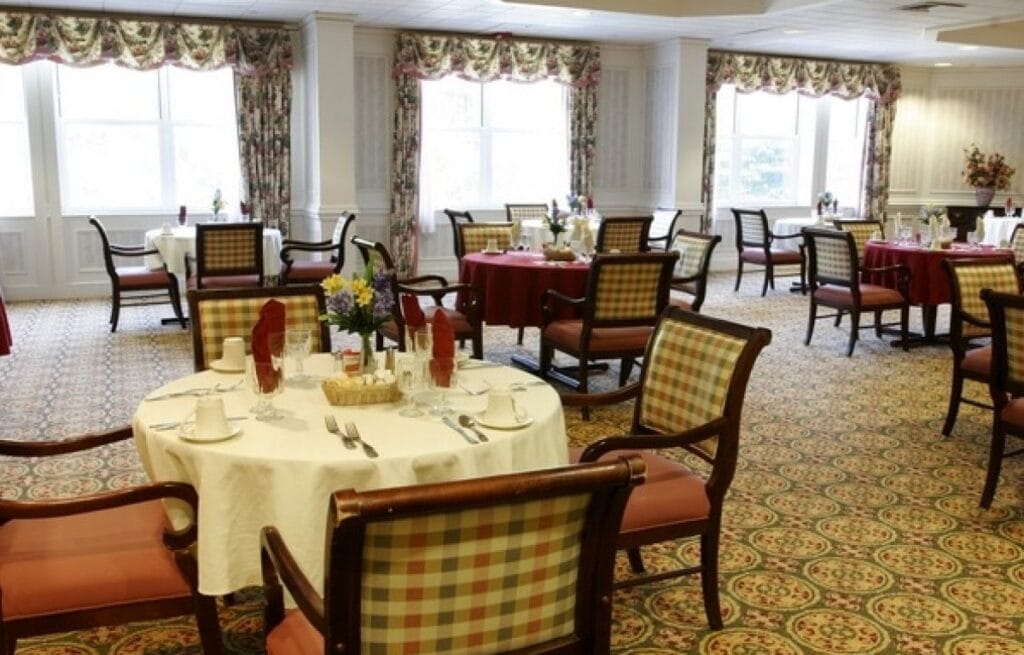
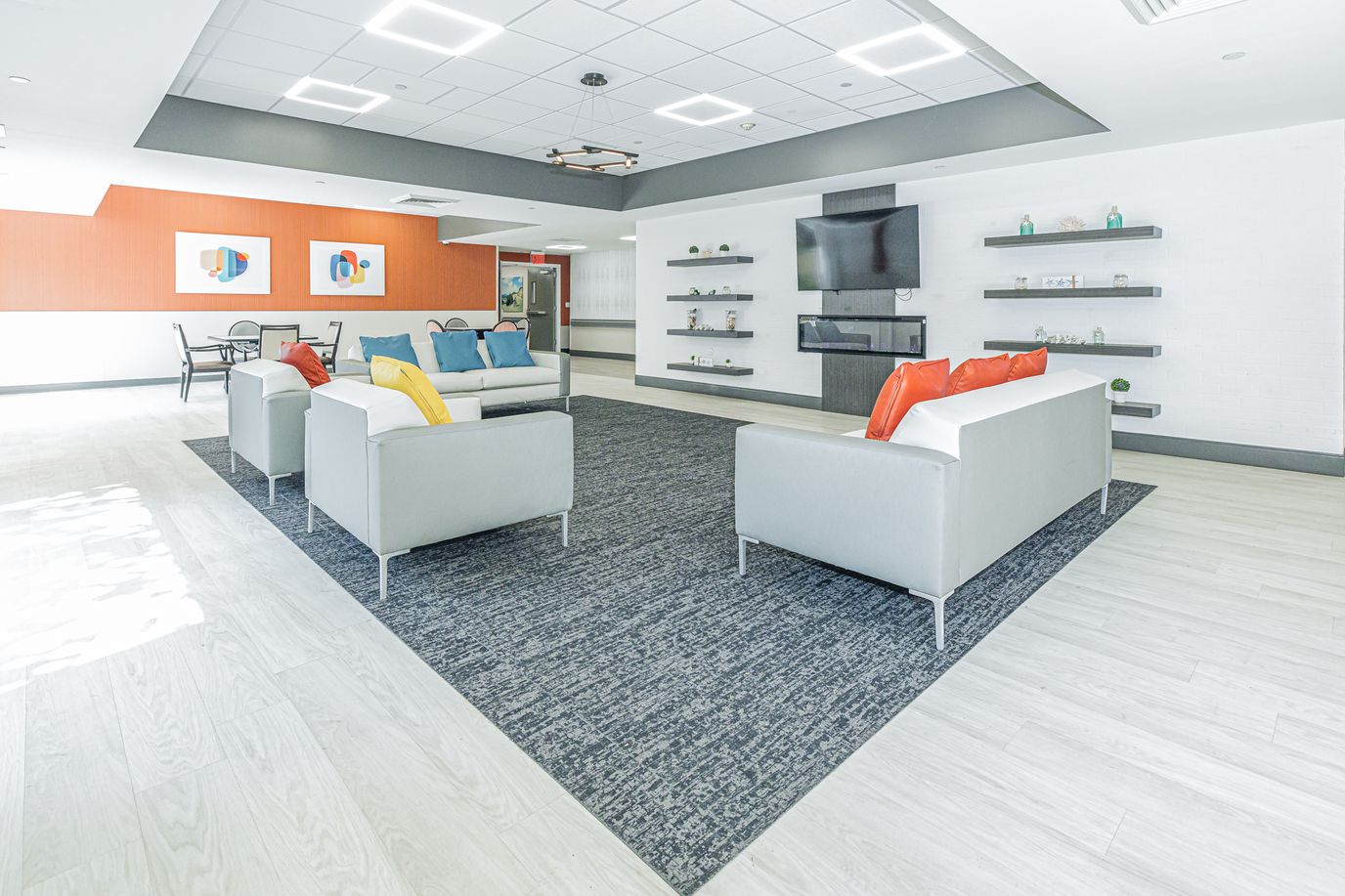
The facility’s clinical footprint includes rehabilitation services delivered around the clock. Nursing staff allocates roughly 30 minutes daily per resident for registered nurse oversight, with an additional 3 hours daily of comprehensive nursing care per resident (combining nurse aides and licensed practical nurses). The dining program emphasizes culinary quality, offering three daily meals from a hot steam table in a formal dining hall. The kitchen team approaches food as a discipline worth taking seriously.

Morris Park accepts Medicare, Medicaid, and private pay arrangements, creating multiple pathways to admission. Payment flexibility matters for families navigating cost constraints and insurance particulars.

The inspection record presents a more complicated picture. Over five years of regulatory data, inspections have surfaced recurring themes around sufficient staffing, medication storage and security, emergency drug protocols, and kitchen food safety.

Earlier cycles identified supervision inconsistencies and infection control gaps. Resident complaint investigations resulted in substantiated findings requiring enforcement action, including staff discipline. While the facility has implemented corrections, some deficiencies have reemerged across multiple inspection cycles, indicating that underlying operational weaknesses persist despite corrective efforts.

This pattern suggests a facility managing significant daily operations but encountering persistent difficulty with the administrative and clinical infrastructure needed to maintain consistent regulatory compliance. The walkable neighborhood supports family engagement, and the rehabilitation focus attracts a specific patient demographic. Yet the inspection trajectory signals that families should understand the facility’s compliance challenges as a material factor in their decision-making.

Contact Morris Park Rehabilitation and Nursing Center

Palatine Nursing Home

154 Lafayette Street, Palatine Bridge, NY 13428
Overview of Palatine Nursing Home

Operated by Cosden, LLC, Palatine Nursing Home is a nursing home in Palatine Bridge, a small village in upstate New York. The 70-bed home is owned by Lauren Brown. It accepts Medicare, Medicaid, and private pay, giving families multiple ways to cover both rehabilitation stays and longer-term care. At 96% occupancy, the home serves mostly post-acute and ongoing-care residents. Most of them stay for an average of 202 days.

Clinically, the home is focused on rehabilitation. Physical therapy, speech therapy, and occupational therapy are offered with short and long-term care tracks. Daily nurse staffing averages 2 hours and 47 minutes of nursing per resident. It includes 33 minutes of support from a registered nurse for hands-on care and medical oversight. With on-site services, residents don’t have to go outside for appointments. It also provides dental, podiatry, and vision services and employs a dietitian and a physician on staff.

State inspections have reviewed areas such as electrical and Life Safety Code compliance, staff training, food sanitation, and documentation practices. All deficiencies have been addressed. The facility has always been responsive to feedback from inspectors.

The surrounding neighborhood has a walkability score of 35 out of 100. Some daily services are within walking distance, but most trips require a car. Families evaluating the facility should take a tour to get a direct sense of the available services, therapy areas, and overall environment.

Residents can participate in social activities and other programs, and families have access to resident and family services. Palatine’s rehabilitation focus, stable staffing, and in-house medical coverage make it a practical choice for seniors recovering from surgery or illness who need skilled nursing care over weeks or months.

Contact Palatine Nursing Home

Overview of Willow Point Rehabilitation and Nursing Center

Operated by Broome County in Vestal, Willow Point Rehabilitation and Nursing Center is a public nursing home near New York’s Southern Tier. The facility is located on Old Vestal Road with a Walk Score of 64. The facility is in a moderately walkable area, so some errands are within walking distance. The county-run operation accepts Medicare, Medicaid, and private pay, giving residents and families multiple ways to access care.

The center has 300 beds, with 87% occupancy, reflecting steady census in the region. Residents stay for an average of 155 days, including short-term rehabilitation stays and residents requiring longer-term nursing care. Daily nurse staffing averages 4 hours and 20 minutes per resident. It is broken down across registered nurses, licensed practical nurses, and nursing aides to provide consistent hands-on care throughout the day.

Clinically, the home offers rehabilitation services, and it focuses on post-acute recovery from surgery, stroke, or hospitalization.

State inspections by the New York Department of Health have cited issues involving infection prevention, nursing care quality and medication management, and life safety code compliance. However, the facility has addressed these findings during its oversight cycle.

Residents are served a variety of delicious, healthy meals as part of their daily lives. As a publicly managed nursing home in a moderately walkable area, it’s best suited for families and residents seeking structured long-term care in a community-based setting.

Contact Willow Point Rehabilitation and Nursing Center

Overview of Carthage Center for Rehabilitation and Nursing

Operated by Clr Carthage, LLC, Carthage Center for Rehabilitation and Nursing is a skilled nursing facility in Carthage, New York. The 90-bed community serves Jefferson County residents across short- and long-term skilled nursing, memory care, and post-acute rehabilitation, and accepts Medicare, Medicaid, and private pay.

CMS gives the facility a 1-star rating overall, mainly because of its Health Inspection record. During the past three years, the facility has received an average of 9.7 deficiencies per year, about 90% above New York’s average of 5.1. More recent survey trends have improved. The February 2024 inspection found only one deficiency, and the two prior inspections identified only two and three deficiencies, respectively.

A July 2022 survey found two Level 3 actual-harm deficiencies involving pressure ulcer treatment and quality of care; the facility corrected both findings. There are no fines or enforcement actions in the inspection reports, and complaint investigations were unsubstantiated.

Nurse staffing averages 3 hours and 11 minutes per resident per day, about 9% below the New York average of 3 hours and 29 minutes. Rehabilitation services are a stronger part of the facility’s profile. Physical and occupational therapy aides and respiratory therapy technicians support dedicated programs in cardiac care, stroke care, orthopedic care, and pain management. The facility’s occupancy rate is 99%, well above the state average of 88%, so available beds are limited.

Carthage Center for Rehabilitation and Nursing fits residents pursuing post-acute rehabilitation for cardiac, orthopedic, or stroke recovery in Jefferson County, where the recent improvement in inspection findings and specialized rehabilitation services are the relevant considerations for short-term stays.

Contact Carthage Center for Rehabilitation and Nursing

Overview of Wells Nursing Home

Wells Nursing Home is a 100-bed nonprofit skilled nursing facility in Johnstown, New York, serving residents across Fulton County with 24-hour skilled nursing care, memory care, rehabilitation services, and respite care.

The facility holds a 1-star overall CMS rating, with staffing the primary driver. Nurse staffing averages 3 hours and 29 minutes per resident per day, placing the facility in the lower half of New York’s 388 skilled nursing facilities. That said, its inspection deficiency rate of 4 per year is 22% below the New York state average of 5.1, a meaningful counterpoint to the overall rating.

The most recent inspection, in September 2024, cited five deficiencies — covering abuse and neglect protections, drug labeling, Medicaid/Medicare notices, and life safety items — all of which were corrected. A $9,000 civil money penalty accompanied that inspection, 87% below the statewide average for penalized facilities. Seven active lawsuits are on record with no closed cases reported.

Clinical services include physical therapy, occupational therapy, and speech therapy, along with wound care, wound vac services, IV therapy, and hospice and palliative care, which round out the clinical offerings. The facility’s 98% influenza vaccination rate among employees reflects a consistent infection-prevention posture.

The facility’s occupancy rate is 96%, well above New York’s average of 88.3%, with an average resident length of stay of nearly 11 months and 73% of current residents on Medicaid.

Wells Nursing Home is best suited for long-term Medicaid residents — including those with memory care needs, complex wound or infusion requirements, or end-of-life care goals — who require continuous clinical support in a community-based, nonprofit setting in Johnstown.

Contact Wells Nursing Home Inc

Overview of Eddy Village Green

Eddy Village Green operates as a 192-bed nursing home in Cohoes, part of The Eddy and St. Peter’s Health Partners. The facility sits at 421 W Columbia Street in an area that requires a car for most daily travel (Walk Score 24). Running at 89% capacity, it maintains steady census with a mix of short-term and longer-term skilled nursing residents.

Where the facility distinguishes itself is in its staffing structure. The home provides 4 hours and 29 minutes of daily nursing care per resident, placing it among the strongest performers across the state’s nearly 400 nursing homes and about 30% above New York’s median. Registered nurses contribute 46 minutes of daily direct oversight per resident, a figure that exceeds state benchmarks. The nurse aide complement is particularly substantial, running more than double the state average. That concentration of hands-on staff presence shows up in the numbers where it matters most in a nursing home: the people-to-residents ratio during the day and evening shifts.

The New York Department of Health, Office of Aging and Long Term Care, conducts unannounced inspections across the nursing home landscape. State inspectors have identified recurring patterns in their findings across multiple inspection cycles spanning the past decade, suggesting structural issues that persist despite staffing levels that should theoretically address daily operational demands. The facility accommodates Medicare, Medicaid, and private-pay residents, reflecting the standard funding pathways families encounter when evaluating care.

The Eddy Village Green tells a story of administrative investment in nursing staff that has not consistently translated into regulatory approval. The contrast between staffing metrics and inspection findings raises questions about how those additional hands translate into the daily systems that state overseers measure.

Contact Eddy Village Green

Overview of River Ridge Living Center

River Ridge Living Center Rehabilitation & Nursing operates as a family-owned 120-bed nursing home in Amsterdam. Heather Daw serves as the operator through River Ridge Operating, LLC. The facility accepts Medicare, Medicaid, and private-pay residents and delivers specialized rehabilitation programs, including orthopedic, cardiac, and pulmonary care tracks, along with long-term skilled nursing placement.

The facility’s CMS rating is 1 star, substantially below the New York state average. Both the overall rating and health inspection rating fall 64-68% below state benchmarks, reflecting sustained compliance and care challenges.

Total nursing care averages 3 hours 52 minutes per resident daily, which exceeds the state average. Licensed Practical Nurses contribute 1 hour 1 minute per day; 33% above state norm. This stands as a facility standout. However, Registered Nurses supply only 29 minutes per day, placing them 31% below state expectations. Weekend RN hours at 12 minutes further illustrate the gap: state average runs 28 minutes.

Q4 2025 staffing shows 230 personnel split between 109 employees and 121 contractors. The contractor-heavy model (52.6%) suggests reliance on temporary labor.

The facility reports 26 citations in total since 2020, double the state average. Complaints filed reached 140, substantially exceeding the 79-case state average. This yields a complaint-per-bed rate of 1.23, nearly 2.5 times the state norm. Five consecutive COVID-19 surveys between January and March 2024 all identified identical reporting deficiencies to the national health safety network, each marked as widespread scope.

Long-stay residents experience pressure ulcer rates of 15.8%, notably worse than the state average. Conversely, fall rates at 0.8% substantially beat the state benchmark. For short-stay rehabilitation patients, successful return-to-home rates stand at 35.3%, trailing the state average significantly. Ability to care for self at discharge reached 35.6%, running 34% below expected performance.

One active lawsuit and seven disposed cases extend back to 2015.

River Ridge operates primarily as a mixed rehabilitation and Medicaid-dominant long-term care facility serving residents who cannot achieve independent community discharge.

Contact River Ridge Living Center

Overview of Elderwood at Waverly

Located in Waverly, New York, Elderwood at Waverly is a nursing home operated by 37 North Chemung Operating Company, LLC, and owned by Maria Landy. The 200-bed home is located in a somewhat walkable neighborhood and serves both short-term rehabilitation and long-term care needs. It accepts Medicare, Medicaid, and private pay, giving families several options to cover the cost of care.

The facility focuses on rehabilitation, offering programs for subacute recovery, orthopedic and neurological therapy, and outpatient services. Beyond traditional nursing care, Elderwood provides specialized tracks in adult day services, oncology support, palliative care, and secure memory care. This makes the facility a comprehensive option for residents with varied clinical needs.

The home’s nurse staffing averages 2 hours and 43 minutes per resident each day. Residents are supported by registered nurses, nurse aides, and licensed practical nurses working across daily shifts.

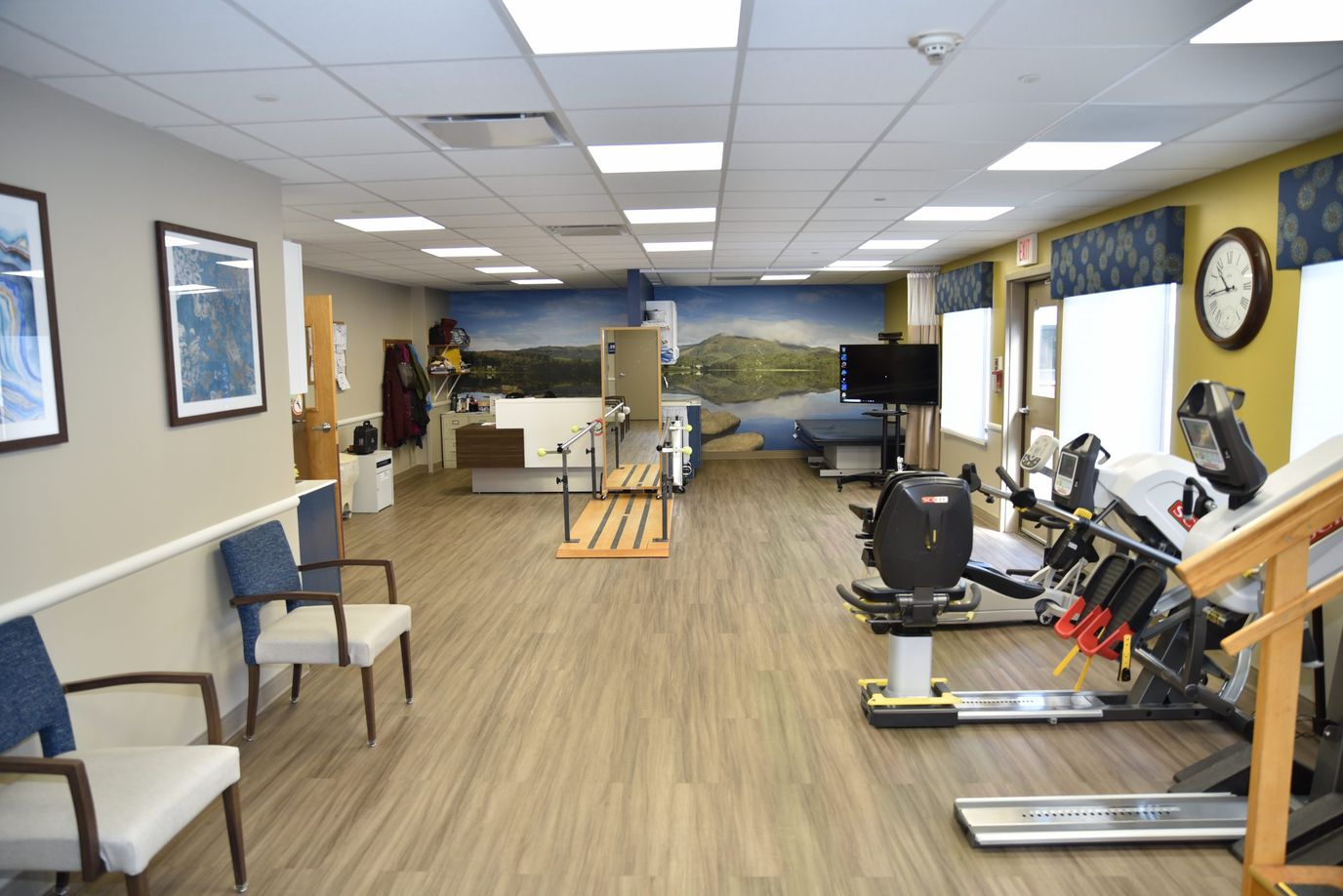
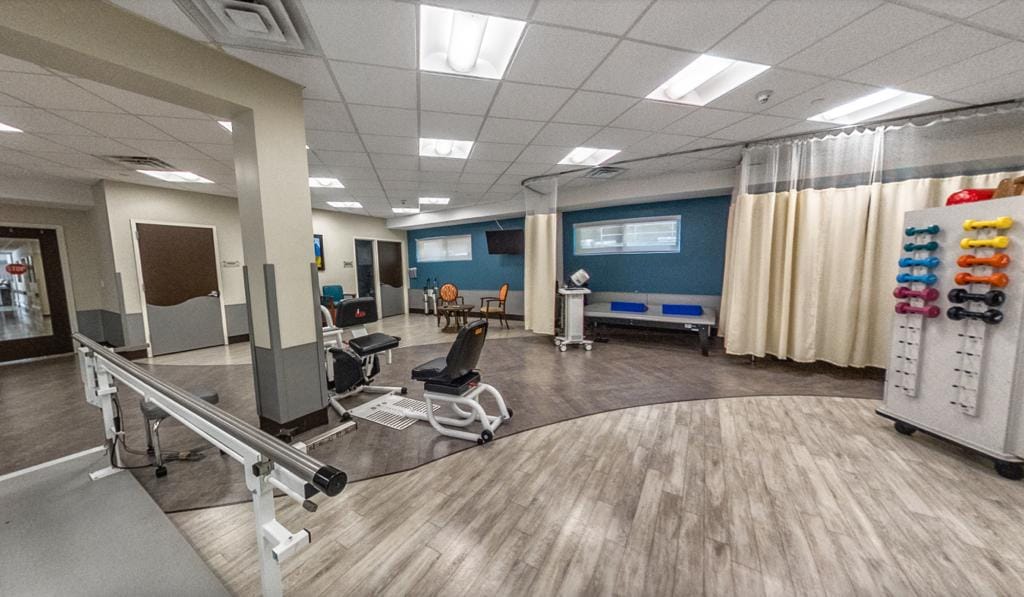
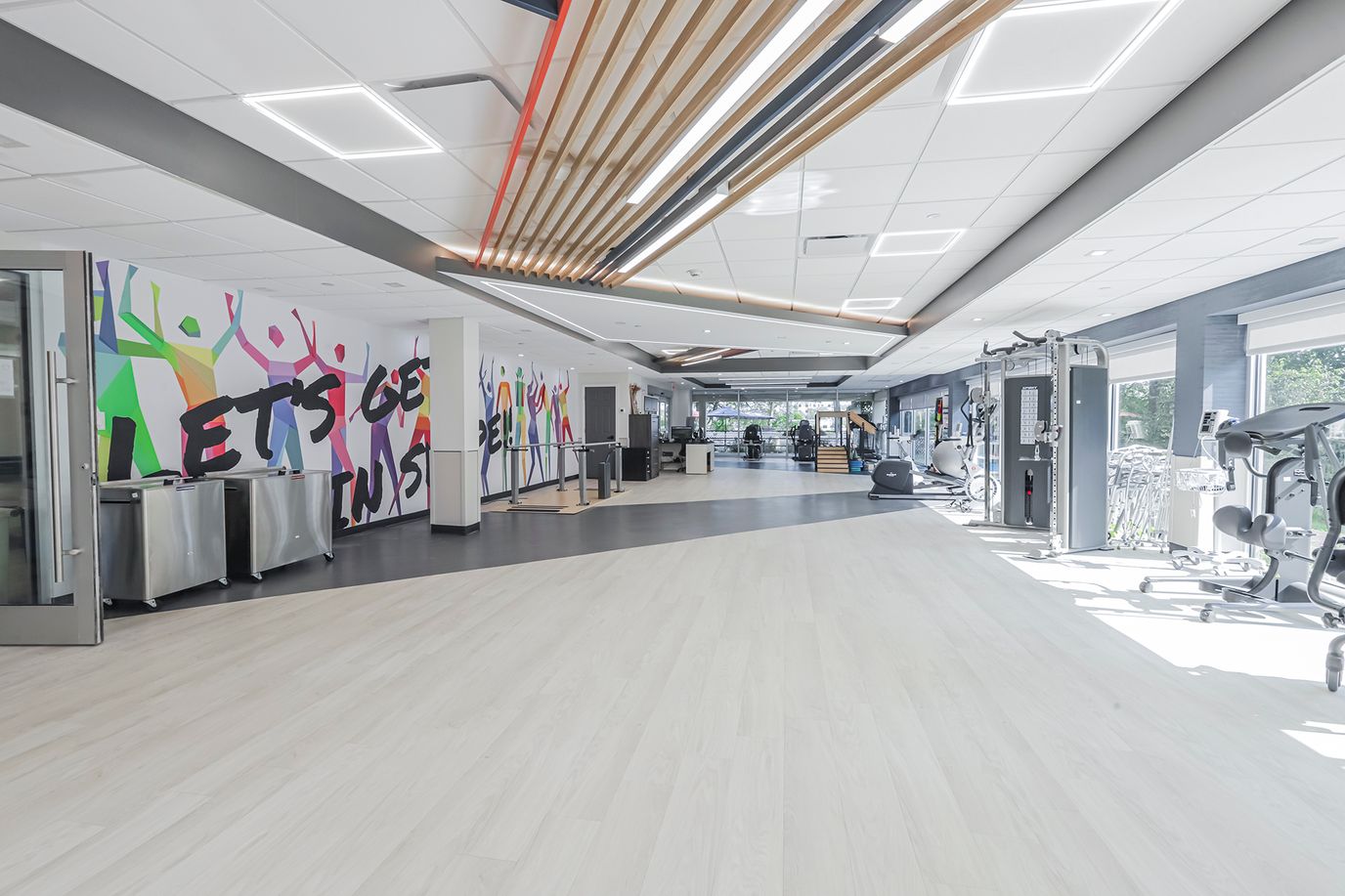
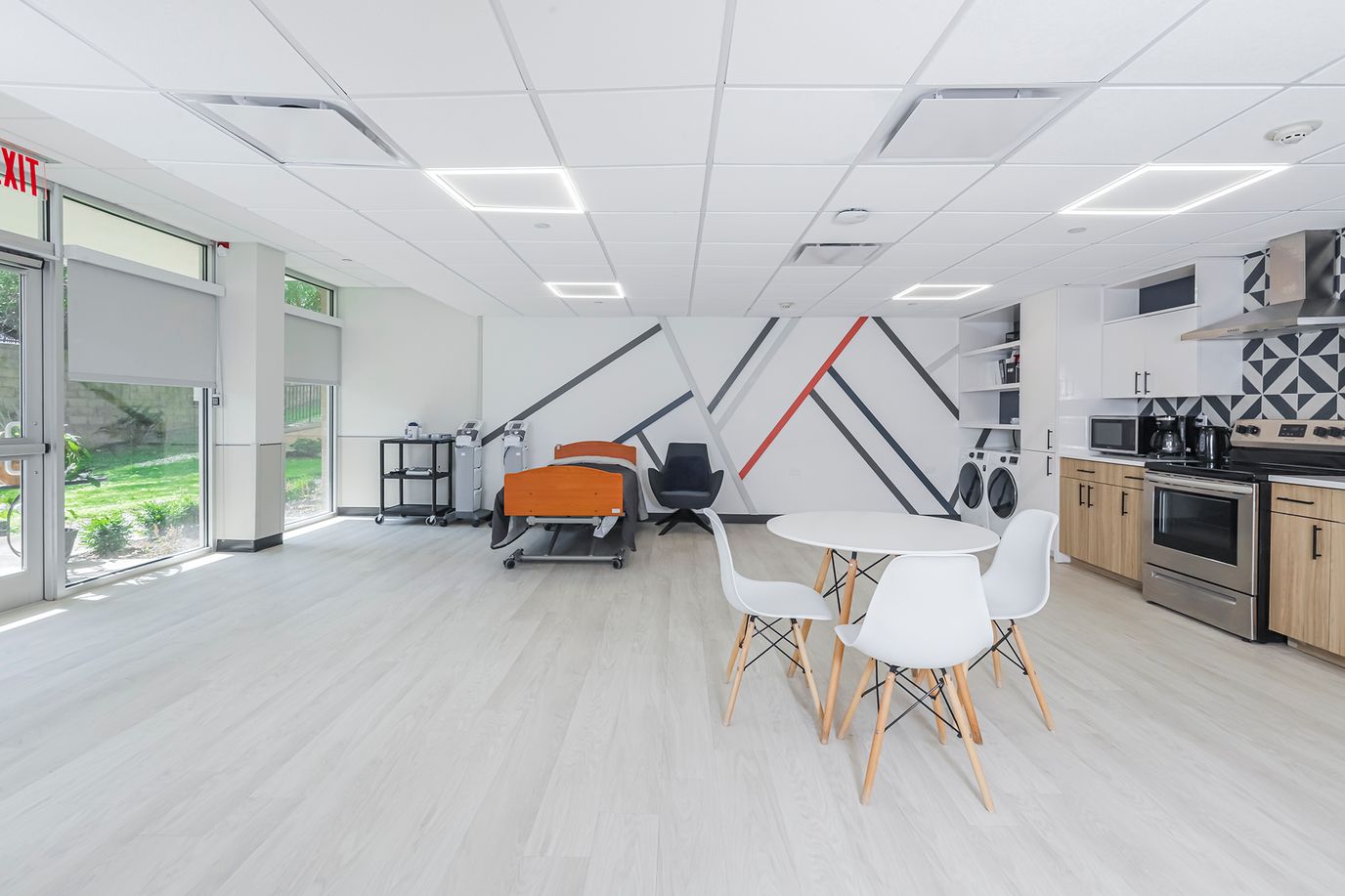
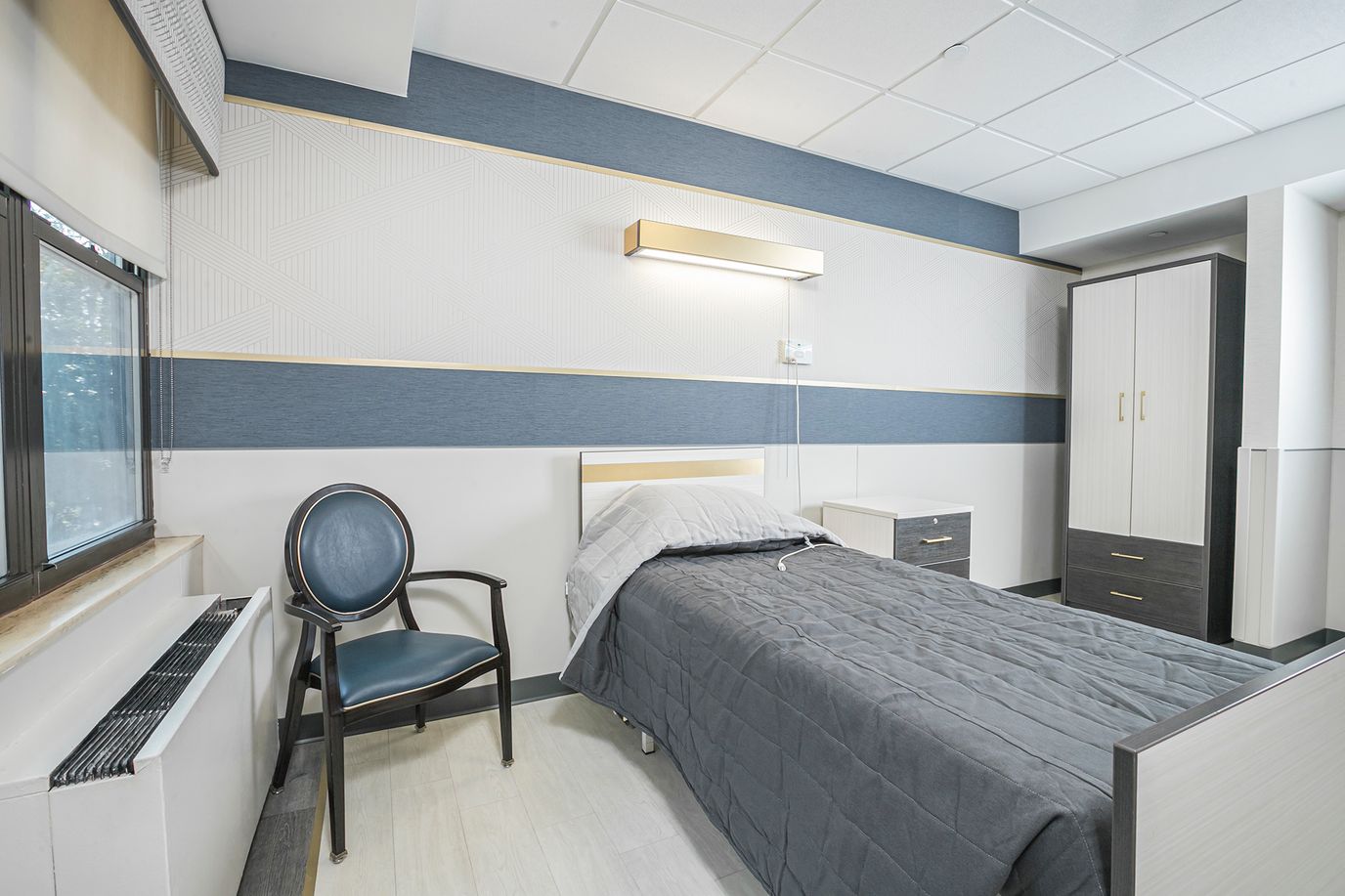
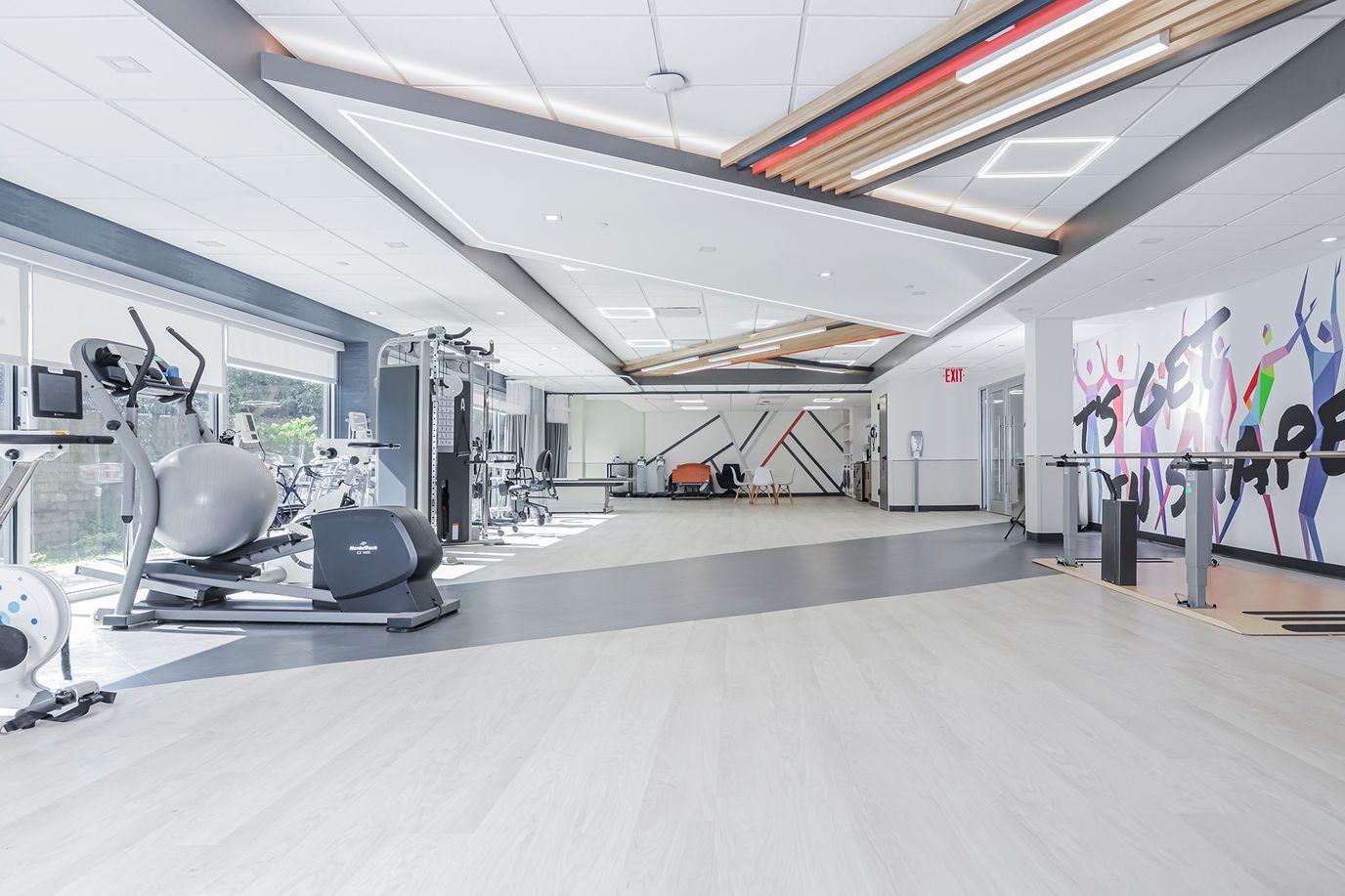
With an occupancy rate of 86%, 172 beds are occupied, reflecting steady demand. Residents stay for an average of 114 days, including short-term rehabilitation and those requiring ongoing skilled nursing care. They can choose from comfortable private and semi-private rooms and receive daily housekeeping and laundry services. The facility also features a spacious, well-equipped rehabilitation gym, with an active schedule of social programming and activities.

State inspections have identified issues with documentation, reporting requirements, and facility operations across multiple inspection cycles. All findings have been addressed, but some corrections took longer than expected. Families considering the facility can ask about how these areas are managed daily.

Residents enjoy pleasant meals, and they have access to WiFi. The community’s diverse programs and focus on rehabilitation make it appealing to families seeking post-acute care or longer-term nursing support in the Waverly area.

Contact Elderwood at Waverly

Overview of Sunrise Manor Center for Nursing and Rehabilitation

An 84-bed skilled nursing home in Bay Shore, New York, is Sunrise Manor Center for Nursing and Rehabilitation. Operated by Sunrise Manor Nursing Home, Inc, under owner Steve Arbeitman, it’s well-situated in a highly walkable neighborhood where most errands can be done on foot, making it convenient for visiting family and residents who can leave the facility. Accepted are Medicare, Medicaid, and private pay, providing clear coverage routes for families planning short-term rehabilitation or ongoing care.

The facility at 88 percent occupancy maintains an average stay length of 121 days, reflecting a mix of post-acute rehabilitation residents and those receiving longer-term nursing care. Staffing support is substantial: total nursing care averages 4 hours 5 minutes per resident day, with registered nurses providing 24 minutes of care, nursing aides 1 hour 57 minutes, and LPN/LVN support 45 minutes. That level of diligent nursing presence is a focal part of the care model. The home’s focus is rehabilitation, with dedicated services in physical, occupational, and speech therapy that a full rehabilitation team supports. Specialized programs include wound care and targeted therapy, managed by licensed nursing staff and a Therapeutic Recreation Department. Doctor-on-staff coverage and 24-hour staffing ensure continuous medical oversight and urgent support when needed. Nutritional services staff oversee three daily meals, and the dining program caters to cultural preferences, with ethnic foods available upon request.

With all cited issues corrected in follow-up reviews, state inspections document past deficiencies in care planning, drug review, food sanitation, accident prevention, and communication systems. Sunrise Manor Center for Nursing and Rehabilitation maintains an active approach to addressing regulatory findings and safety concerns.

Contact Sunrise Manor Center for Nursing and Rehabilitation

Overview of Rosewood Rehabilitation and Nursing Center

Operated by Rosewood Care, LLC under owner Inter-Ocean Family, Rosewood Rehabilitation and Nursing Center is an 80-bed skilled nursing home on Troy Road in Rensselaer, New York. Families can choose from Medicare, Medicaid, and private pay to cover both short-term rehabilitation and longer-term skilled nursing care. The home has an occupancy rate of 94%. Residents stay an average of 98 days, which is a mix of post-acute rehabilitation patients and those needing ongoing skilled nursing care.

Rehabilitation is the facility’s primary focus. The home offers specialized short-term rehabilitation programs along with general skilled nursing care and respite services. Daily nurse staffing averages 4 hours and 30 minutes per resident. Registered nurses and nurse aides provide 24-hour care. This level of staffing supports residents recovering from surgery, illness, or a hospital stay.

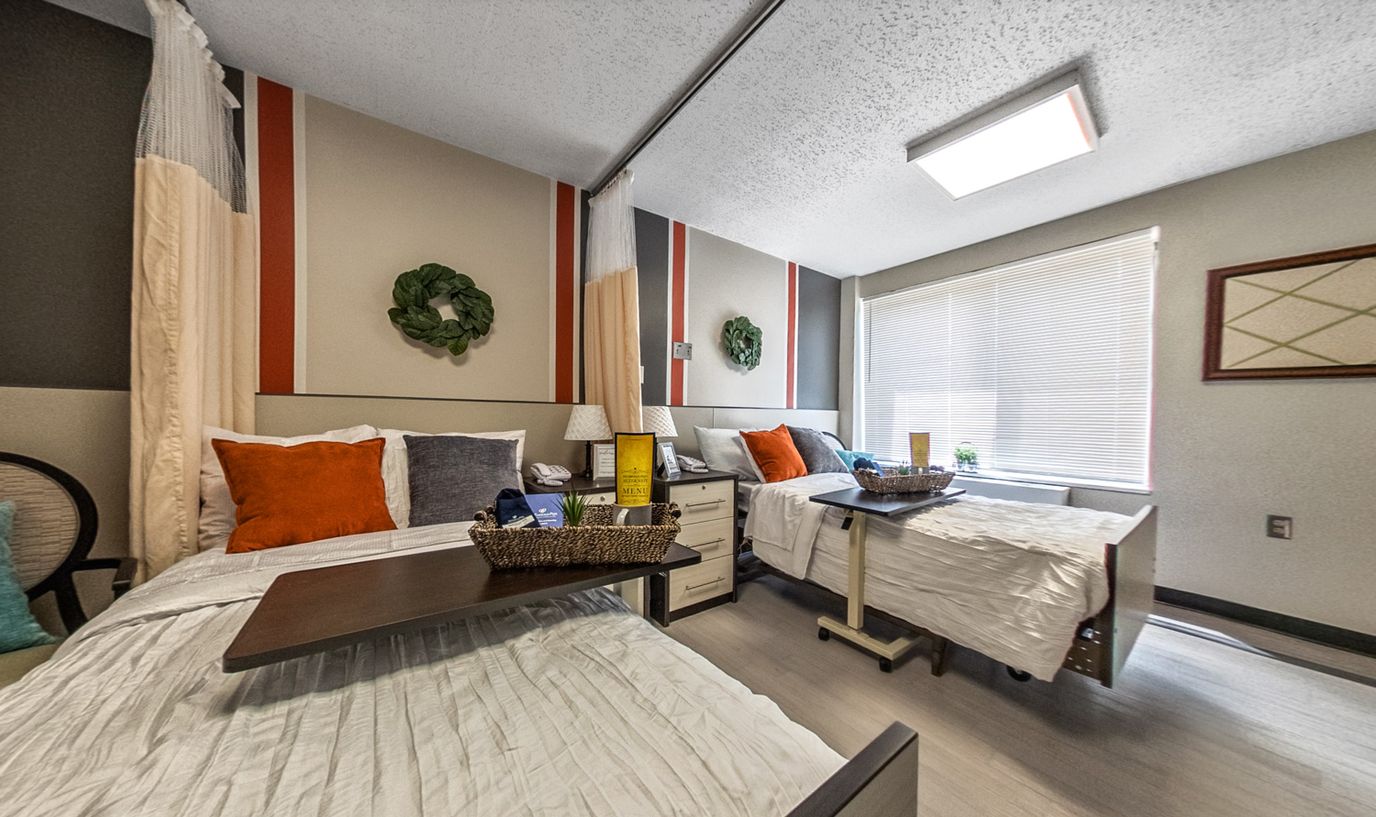
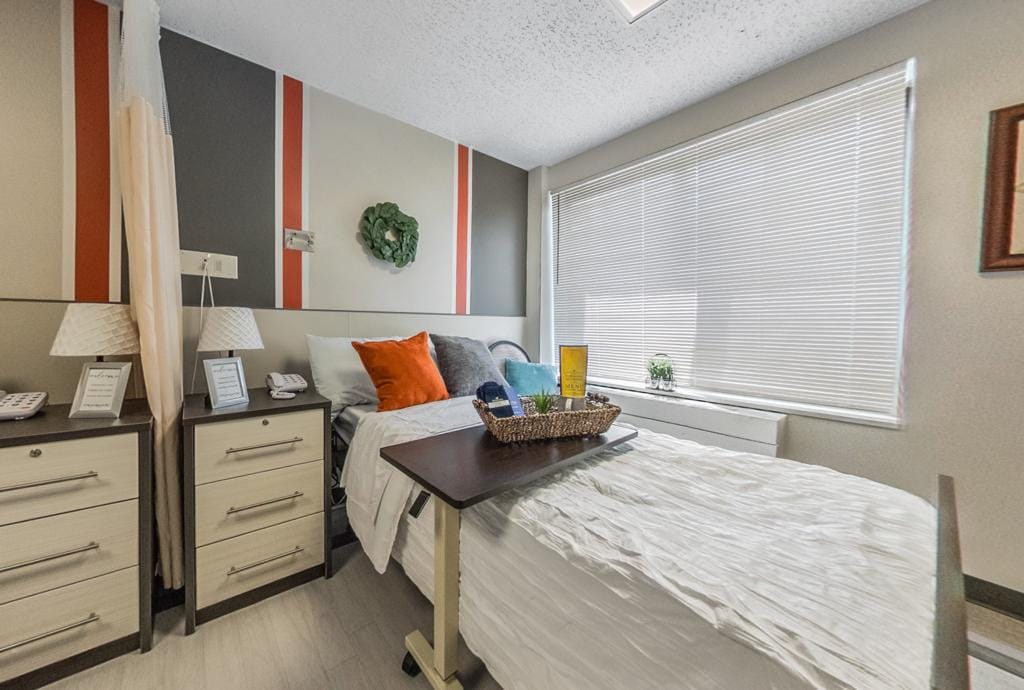
Residents enjoy comfortable rooms with quality furnishings, bedside phones, and flat-screen cable television. A chef and dietitian prepare three daily meals served in an elegant dining room, with menus tailored to residents’ dietary needs. The activity program includes cultural and educational events, professional entertainment, fitness classes, arts and crafts, games, study groups, recreational activities, and community outings.

The Walk Score for the neighborhood is 61. Some errands can be accomplished on foot; other errands require a car. The neighborhood is convenient for families nearby who visit regularly.

State inspections have identified problems with care planning, medication management, and life safety systems. The facility has been working to resolve these problems and improve its compliance. Families considering Rosewood should take a tour to view its rehabilitation setting and learn more about its daily care and activity programs.

Contact Rosewood Rehabilitation and Nursing Center

Ranking Methodology

How we rank these nursing homes

Every nursing home above is evaluated across five weighted categories using CMS data including Care Compare, Payroll-Based Journal, and Medicare Cost Reports.

  • CMS data
  • 5 weighted categories
  • Updated quarterly
Full methodology

Weighting overview

  • 35%
    Care Quality
  • 20%
    Staffing
  • 20%
    Regulatory
  • 20%
    Operational
  • 5%
    Environment
01

Care Quality 35%

The largest single share of every ranking. CMS star ratings and quality measures that reflect actual care delivered to residents.

  • Includes
  • Overall Rating
  • Health Inspection
  • QM Rating
  • Long-Stay QM
  • Short-Stay QM
02

Staffing Adequacy 20%

The strongest predictor of resident outcomes. Volume and stability of nursing care, drawn from CMS Payroll-Based Journal.

  • Includes
  • Nurse Hrs/Res/Day
  • RN vs State
  • Total Nurse Staff Hrs vs State
  • RN Turnover
03

Regulatory & Safety Record 20%

Inspection patterns that star ratings can mask. We weight per-inspection rates more heavily than raw counts.

  • Includes
  • Citations
  • Citations/Inspection
  • Severe Citations
  • Fines
  • Accreditations
04

Operational & Financial Stability 20%

Stable operations and sound finances are leading indicators of consistent care over time.

  • Includes
  • Occupancy vs State
  • Avg Length of Stay
  • Revenue
  • Payroll %
  • Years in Operation
  • Admin Tenure
05

Environment & Accessibility 5%

Context that matters to families but doesn't directly measure clinical care. Weighted lower for nursing homes than for assisted or independent living.

  • Includes
  • Walk Score
  • BBB Rating
No paid rankings Facilities cannot pay to influence placement.
How we're paid: If we help you find a home and you move in, that home may pay us a referral fee. This never affects where they rank or what you pay. Learn more
Submit a correction
Who we are

Your Senior Care Partner, Every Step of the Way

We help families find affordable senior communities and unlock same day discounts, Medicaid, and Medicare options tailored to your needs.

Contact us Today

Frequently Asked Questions about Nursing Homes in New York State

What's the difference between assisted living and a nursing home in New York State?

Assisted living in New York State is a residential model focused on housing, hospitality, and help with daily activities. Nursing homes (skilled nursing facilities) provide 24/7 medical care from licensed nurses for residents with significant health needs, and are regulated more strictly under both state and federal CMS rules.

Does New York State Medicaid cover nursing home care?

Yes — New York State Medicaid covers nursing home care for residents who meet income, asset, and medical-need eligibility requirements. Most CMS-certified nursing homes accept Medicaid as a primary payer once long-term-care eligibility is established.

What is nursing home care?

Nursing homes (also called skilled nursing facilities) provide 24/7 medical care from licensed nurses, rehabilitation services, and long-term custodial care for residents with significant health or functional needs.

How many nursing homes are listed on this page?

This page features 457 nursing homes in New York State. Use the filters and comparison tools above to compare ratings, amenities, and pricing.

How do I choose the right nursing home in New York State?

Start by matching the level of care offered to the resident's current and anticipated needs, then compare licensing status, staff-to-resident ratios, recent inspection results, and pricing. Tour at least two or three communities in New York State, talk to current residents and families, and confirm what is included in the base rate versus billed as add-on services.

What should I look for when visiting nursing homes in New York State?

Pay attention to staff interactions with residents, cleanliness and odor, food quality at meal times, the activity calendar, and how questions about pricing and care plans are answered. Ask to see the most recent state inspection report, the move-out / level-of-care-change policy, and a sample monthly bill that lists every fee.