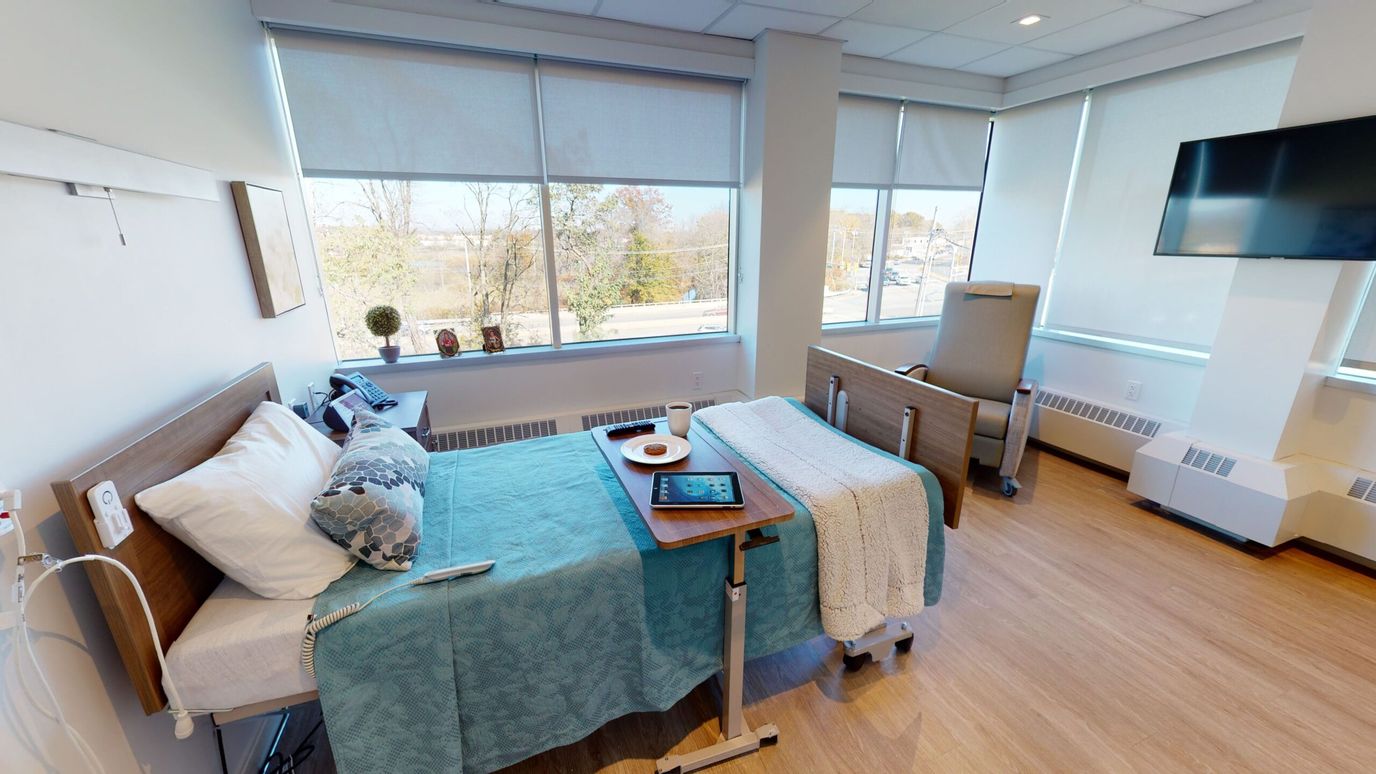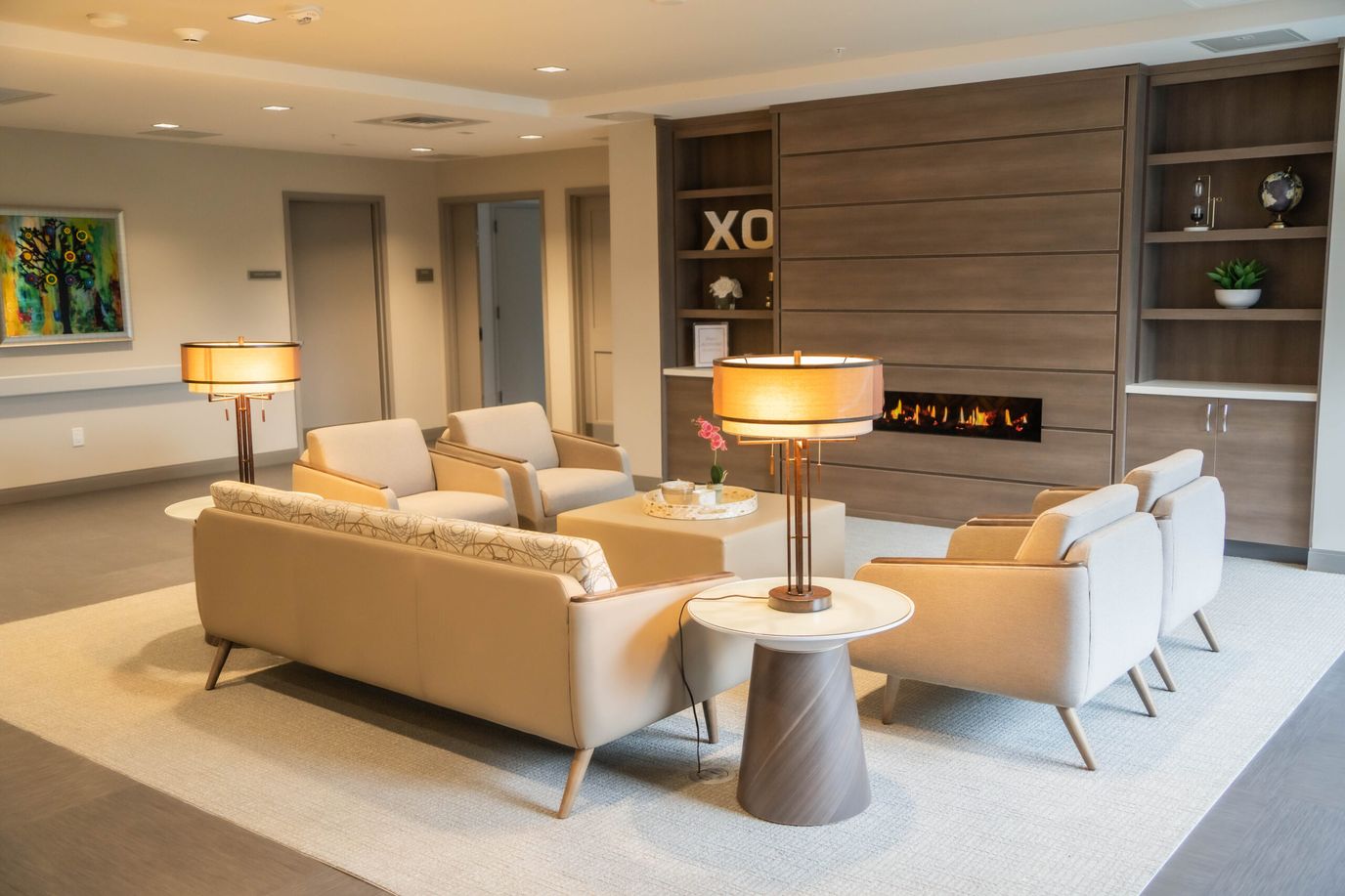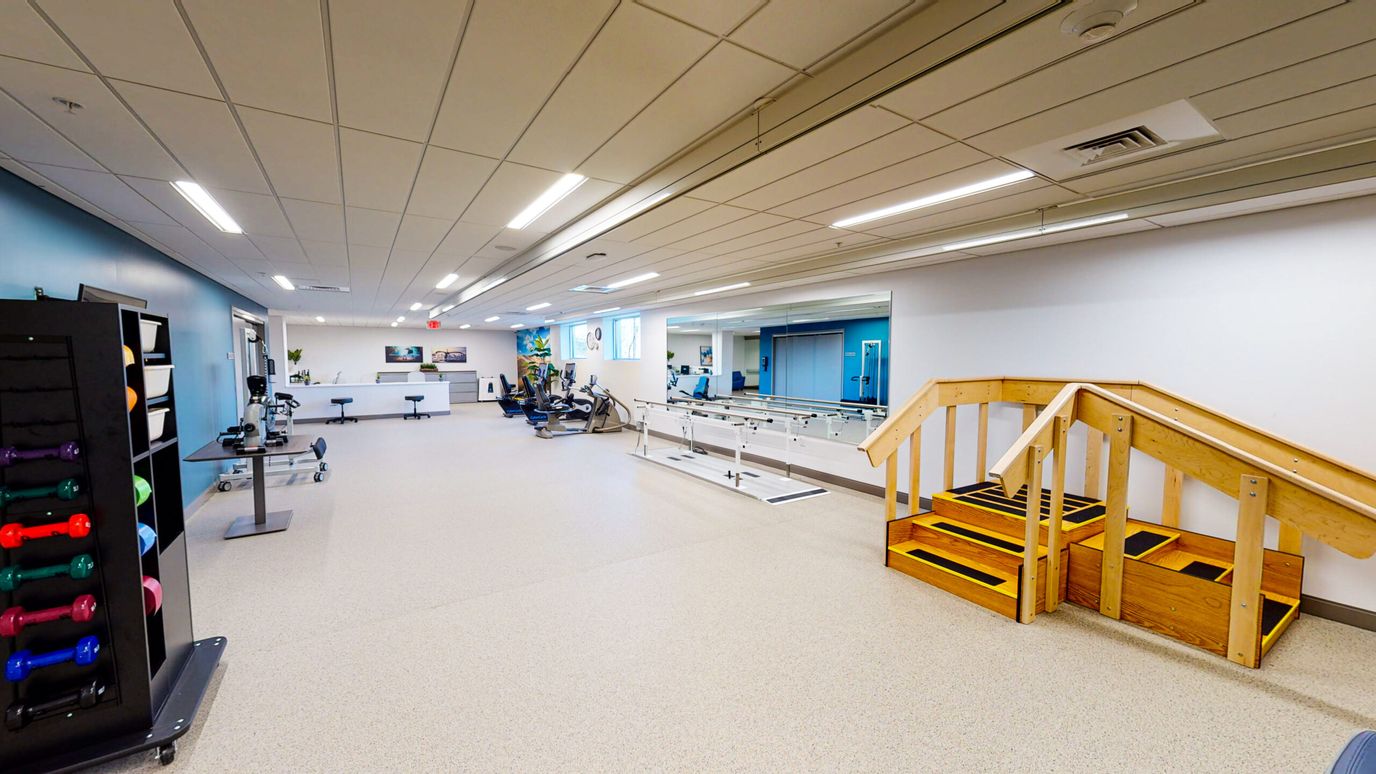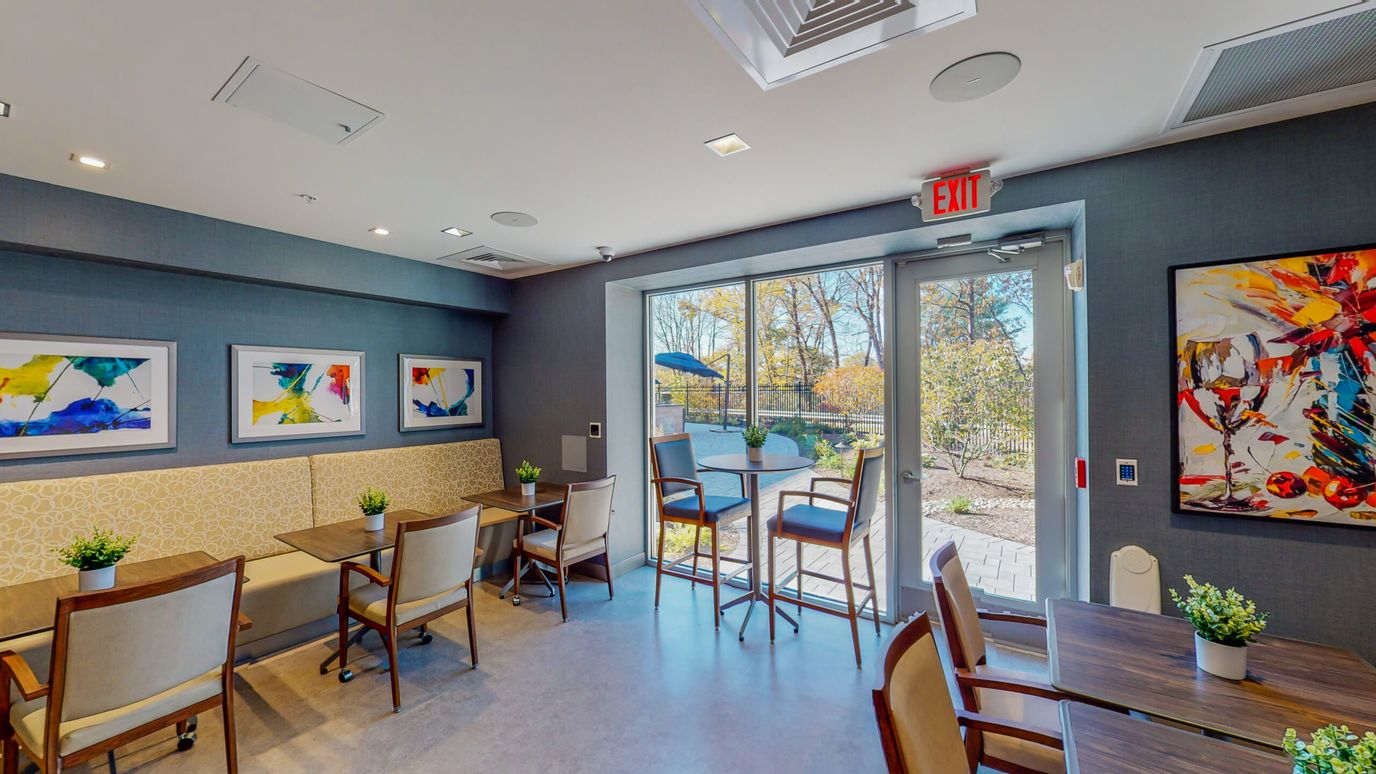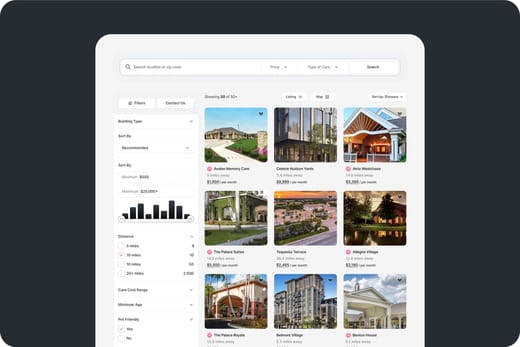
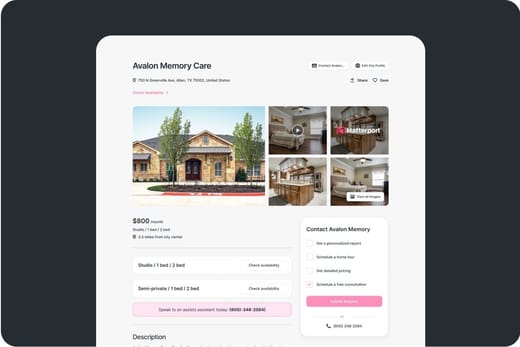
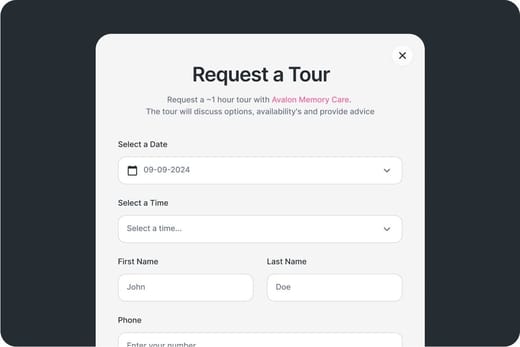
We arrange tours, appointments, and even moving support so you don’t have to
2
Ranked on Data, Not Dollars
We rank communities on objective measures like inspection records, quality scores, and care data, so you can find trusted options without the guesswork.
3
Personalized Guidance
From lifestyle matching to help with insurance and financial assistance, we make sure the community is the right fit
Explore Open Rooms
1Contact details
2What type of senior care service are you looking for?
3What budget do you have in mind for senior care?
4How soon do you need to find care?
5Additional details
Thank you for your interest!
Our team will be in touch shortly to help with next steps.
Why trust this guide?
Our editorial team analyzed 310 nursing homes in NJ using CMS data, inspection records, complaints, amenities, and facility-level details. How we rank nursing homes in NJ
Video Tour: Top-rated Nursing Homes facilities in New Jersey.
Watch this Video to see New Jersey's Top-rated Senior Communities
Avg Overall CMS Rating:3.3/ 5The average Overall CMS Rating for all CMS-certified nursing homes in New Jersey. Ratings combine health inspections, staffing, and quality measures, with inspections weighted most. Individual facilities can vary widely from this average.
National Average:3.2/ 5
Avg Staffing Rating:3.0/ 5The average Staffing Rating across all CMS-certified nursing homes in New Jersey. Reflects nursing staff hours per resident per day (including RNs), adjusted for residents' care needs. Individual facilities can vary widely from this average.
National Average:3.4/ 5
Avg Health Insp. Rating:2.8/ 5The average Health Inspection Rating across all CMS-certified nursing homes in New Jersey. Based on each facility's recent inspections and complaint investigations, weighing the number, scope, and severity of deficiencies. Individual facilities can vary widely from this average.
$10.1M*Fiscal year ending 12/2022These figures are from this home's most recent complete cost report — an older period than most facilities report. Compare with that in mind.
$6.7M*Fiscal year ending 12/2022These figures are from this home's most recent complete cost report — an older period than most facilities report. Compare with that in mind.
66.4%*Fiscal year ending 12/2022These figures are from this home's most recent complete cost report — an older period than most facilities report. Compare with that in mind.
$8.3M*Fiscal year ending 2021These figures are from this home's most recent complete cost report — an older period than most facilities report. Compare with that in mind.
$6.8M*Fiscal year ending 2021These figures are from this home's most recent complete cost report — an older period than most facilities report. Compare with that in mind.
81.7%*Fiscal year ending 2021These figures are from this home's most recent complete cost report — an older period than most facilities report. Compare with that in mind.
Complete Care at Court House is a 120-bed nursing home in Cape May Court House, New Jersey. Run by Complete Care At Court, the facility accepts Medicare, Medicaid, and private pay. For visitors, the surrounding neighborhood has a moderate walkability score, making it reasonably convenient to handle some errands and get around the local community on foot.
The care here leans toward short-term recovery and post-acute care. The facility maintains an average occupancy rate of 88 percent, and residents stay for about 73 days on average, which highlights the focus on rehabilitation rather than permanent residency. To support this, the building has 24-hour staffing with registered nurses, licensed practical nurses, and nurse aides providing an average of 3 hours and 39 minutes of nursing care per resident every day. This team manages specialized transitions from hospital care, including orthopedic, post-surgical, cardiac, stroke, pulmonary, renal, palliative, bariatric, and psychiatric needs.
Older adults and their families looking into local care options might want to ask the administration about these past inspection topics to see how staff manage those specific areas today.
Overview of Hampton Ridge Healthcare and Rehabilitation
Located in Toms River on Stevens Road, Hampton Ridge is a 204-bed skilled nursing facility focused on both post-acute and long-term care. Operating at 91% capacity with 185 occupied beds, the patient throughput is consistent. The average length of stay is 87 days, indicating a balanced mission between short-term recovery from acute events and sustained chronic support.
Logistically, the location is non-negotiably car-dependent. A Walk Score of 11 confirms minimal walkable infrastructure; all necessary errands require vehicular transit. This constraint must be factored into visitor and family logistics, as public transit and pedestrian access are functionally non-existent.
The core service architecture encompasses skilled nursing, supplemented by rehabilitative services, respite care, and post-surgical recovery protocols. Specialized programs address high-incidence conditions like memory care/dementia, and the inclusion of pulmonary care indicates capacity for complex respiratory management. The full portfolio is completed by short-term rehabilitation and therapy offerings.
Operational commitment is quantifiable through staffing metrics. Registered Nurses contribute 24 minutes of direct care daily per resident. When factoring in LPNs, LVNs, and nurse aides, the total clinical nursing time reaches 2 hours and 57 minutes per resident per day, with aides providing the bulk at 2 hours and 6 minutes. This intensity confirms the minimum staffing level necessary for continuous safety oversight, managing medication protocols, wound care, and necessary mobility assistance across all shifts.
Financial models support Medicaid, Medicare, and private pay. This breadth in payment options grants necessary flexibility, ensuring various financial circumstances can be accommodated without mandated singular pathways.
Review of inspection records reveals a definitive corrective trend. Initial surveys flagged issues concerning staffing ratios, quality of care planning documentation, and fire safety compliance. However, subsequent and more recent inspections confirm operational tightening, indicating those historical deficiencies have been resolved.
This pattern of deficiency-to-correction suggests a necessary institutional responsiveness; a pragmatic commitment to regulatory compliance and, critically, resident safety standards. When evaluating long-term care options, this documented capacity for organizational self-correction is a non-trivial data point.
Owned by Pc Hmh Opco Holdings, Complete Care at Plainfield is a skilled nursing home in Plainfield, New Jersey, located on Park Avenue in a highly walkable neighborhood where most errands are manageable on foot. The 106-bed community focused primarily on post-acute rehabilitation and skilled nursing care. It takes Medicare, Medicaid, and private pay, opening numerous pathways for families to fund short-term rehabilitation and longer-term nursing care.
Rehabilitation and specialized care are the home’s clinical focus. It offers dedicated programs in cardiac care, stroke and neurological recovery, pulmonary care, orthopedic and post-surgical rehabilitation, bariatric care, and geriatric psychiatry, making it a strong choice for people recuperating from surgery, a cardiac event, stroke, or hospitalization. Beyond these programs, the facility provides respite care, 24-hour nursing staff, and post-acute services tailored to support occupants during active recovery. Staffing averages 3 hours 49 minutes of total nursing care per resident day, assigned across registered nurses, licensed nurses, and nurse aides. This level of diligent support reflects the facility’s orientation toward active rehabilitation and close clinical oversight. Averaging a stay length of 147 days, the community serves a mix of shorter-term rehabilitation stays and occupants staying for ongoing skilled nursing care. At 90 percent occupancy, the home has steady demand and a well-established presence in the area.
For families contemplating Complete Care at Plainfield for post-acute rehabilitation or longer-term skilled nursing, touring personally is an efficient next step to see the rehabilitation spaces, room options, and daily life.
Cheshire Home is a compact 35-bed nursing facility located in Florham Park, New Jersey, on Ridgedale Avenue. With an 89% occupancy rate, the stable resident census is 31. Functionally, this is a skilled nursing operation focused on rehabilitation and post-acute recovery, primarily serving individuals requiring intensive support after hospital discharge to restore function.
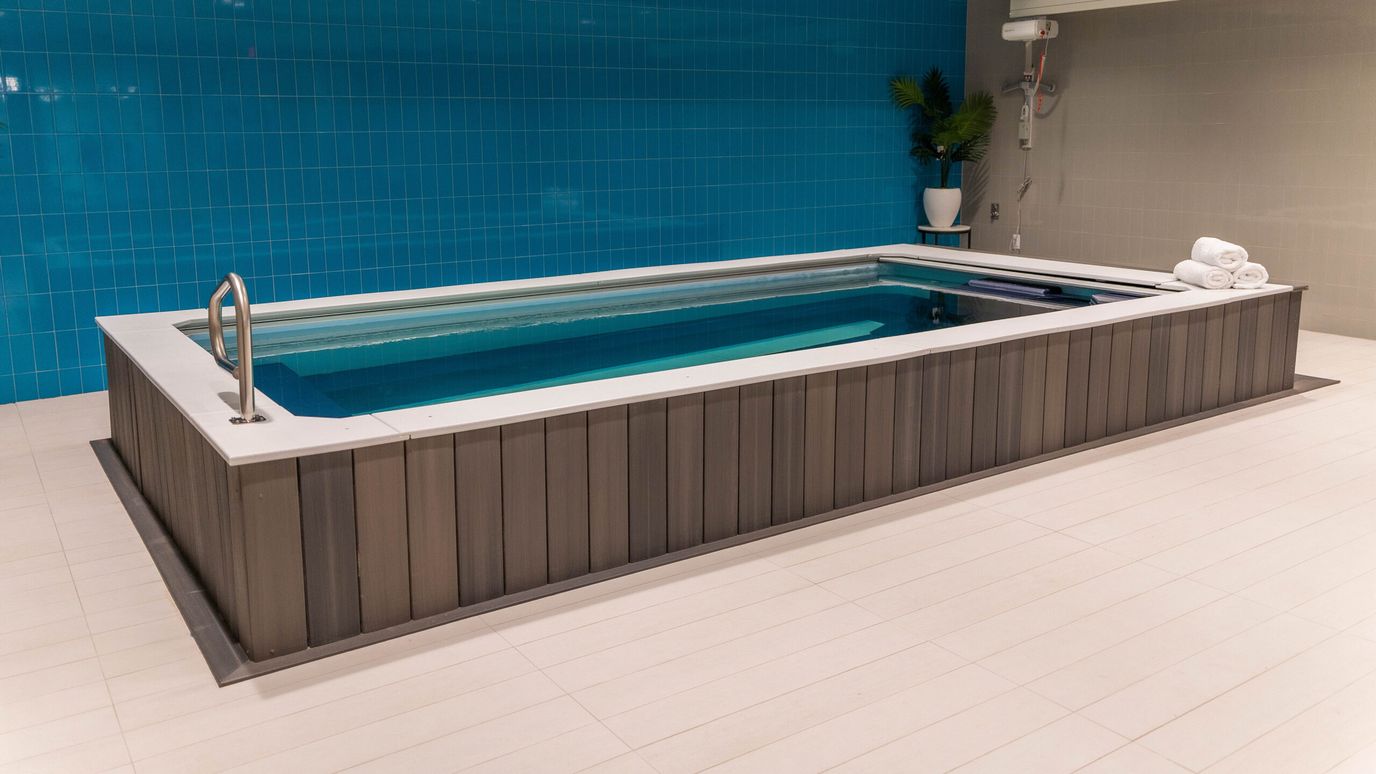
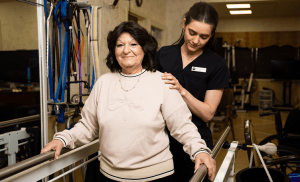
The rehabilitation framework is structured around three key programs: the Cheshire Achieve Roadmap to Independence, Rise&Walk®, and the Wheelchair Seating & Mobility Clinic. These specialized tracks directly address the needs of residents recovering from acute illness, injury, or surgery.
Staffing allocates 6 hours and 12 minutes of total nursing care per resident daily. This three-tiered structure consists of 1 hour 19 minutes provided by Registered Nurses, 4 hours 8 minutes by Certified Nurse Aides, and an additional 1 hour 19 minutes from LPNs or LVNs. This distribution facilitates comprehensive care delivery within the facility’s small footprint.
The physical location is inherently car-dependent, evidenced by a Walk Score of 14, meaning essential errands require vehicle use due to limited walkable proximity. This factor is common to the surrounding suburban area of northern New Jersey and is a geographical constant, not an operational deficit.
A review of Cheshire Home’s inspection history over six years indicates a trend toward regulatory compliance. Initial surveys cited deficiencies across several critical domains, including pressure ulcer prevention, medication administration protocols, infection control, and life safety systems, specifically related to fire safety and smoke barrier integrity. Concurrently, complaint investigations confirmed issues with RN staffing levels and medication access. However, the November 2025 inspection reported zero deficiencies, suggesting the facility has successfully implemented and sustained corrective measures.
The facility’s value proposition is its highly structured setting for acute medical and surgical recovery. Specialized skilled nursing, intensive structured therapy, and mobility expertise are the primary mechanisms for maximizing functional gains and successful discharge planning.
Operated by Reformed Church Ministries to the Aging, Reformed Church Home is a nonprofit nursing facility in Old Bridge, New Jersey. The 108-bed community offers assisted living, long-term skilled nursing care, short-term rehabilitation, respite care, and memory care.
CMS gives the facility a 5-star overall rating, with all four sub-ratings above New Jersey’s averages. The Health Inspection score is 74.2% above the state benchmark, the strongest signal in the profile. Nurse staffing averages 4 hours and 1 minute per resident daily, which is modestly above the state’s average of 3 hours and 55 minutes.
Across 12 inspections in the review period, the facility received an average of 4.2 deficiencies every year, about 19% below the New Jersey average of 5.2. The most recent standard inspection, in November 2025, resulted in zero deficiencies.
An August 2023 complaint investigation identified three deficiencies related to injury reporting protocols and food temperature. Another complaint investigation in December 2024 cited five deficiencies involving fall prevention care plans, staffing ratio shortages on several day shifts, and fire safety issues related to door closures, smoke barrier penetrations, and elevator emergency phones. The facility has no fines or license actions in its records.
The facility’s occupancy is 81%, above the New Jersey average of 77%.
Reformed Church Home is best suited for residents seeking skilled nursing care across the post-acute and long-term spectrum in Middlesex County, particularly those needing Medicare-covered rehabilitation or longer nursing stays in a nonprofit, faith-affiliated community.
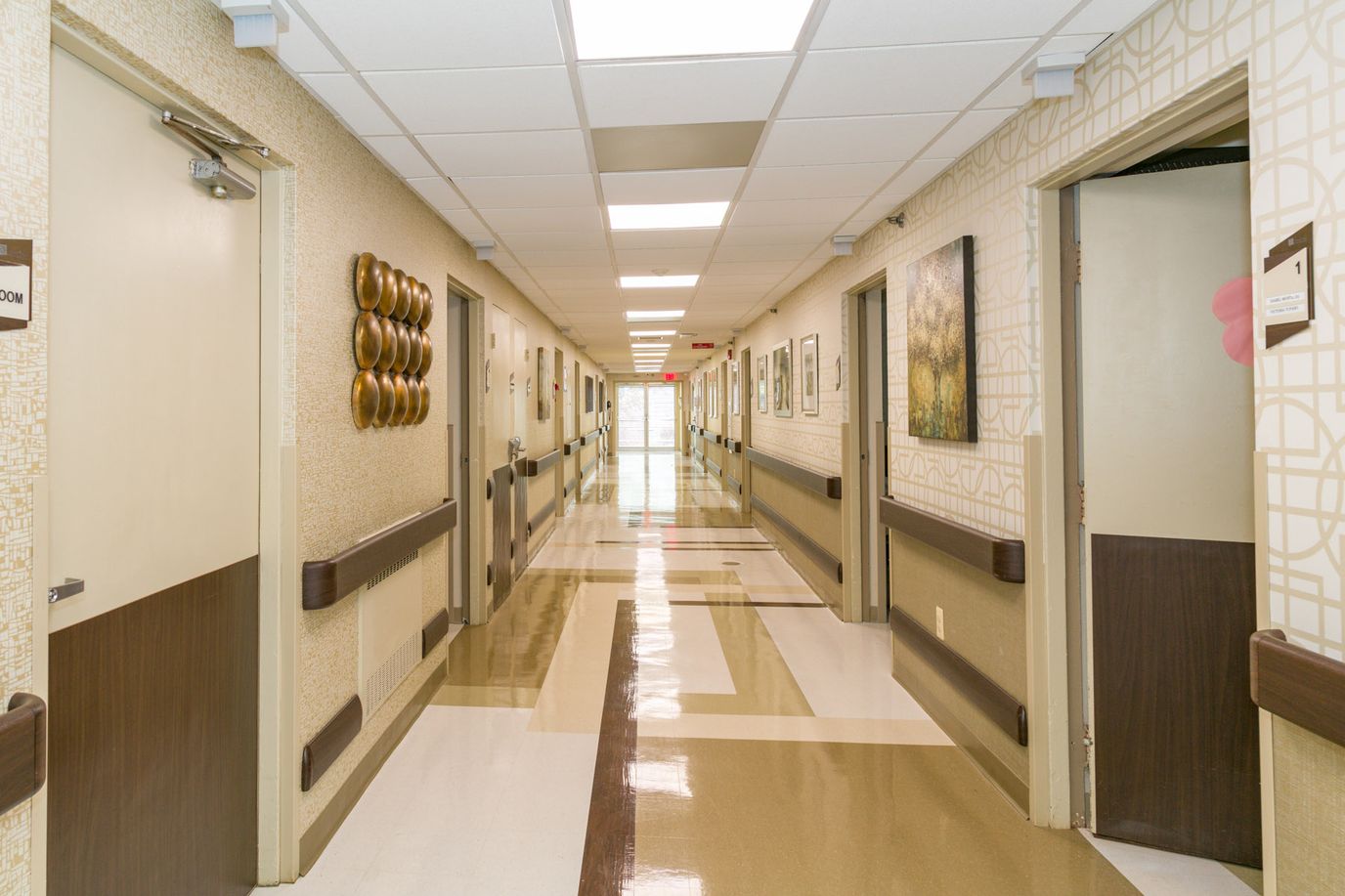
This is a purpose-built acute-care facility; it’s 54 beds in Paterson, New Jersey, situated in one of the state’s most walkable urban neighborhoods (Walk Score 90). At 91 percent occupancy with a median stay of 76 days, the place moves through a steady population of people in acute transition: post-surgical recovery, complex rehabilitation, intensive wound management, the kinds of cases that need focused attention and medical depth.
The programming reflects that specialization completely. Hip and knee replacement, cardiac rehab, stroke recovery, spinal cord rehabilitation, trache management, tube feeding, complex wound care, vestibular rehabilitation. It’s not a generalist operation. If someone’s coming here, it’s typically because they need something specific: a post-op rehab bed, intensive cardiac monitoring, wound care expertise, or recovery work after neurological injury.
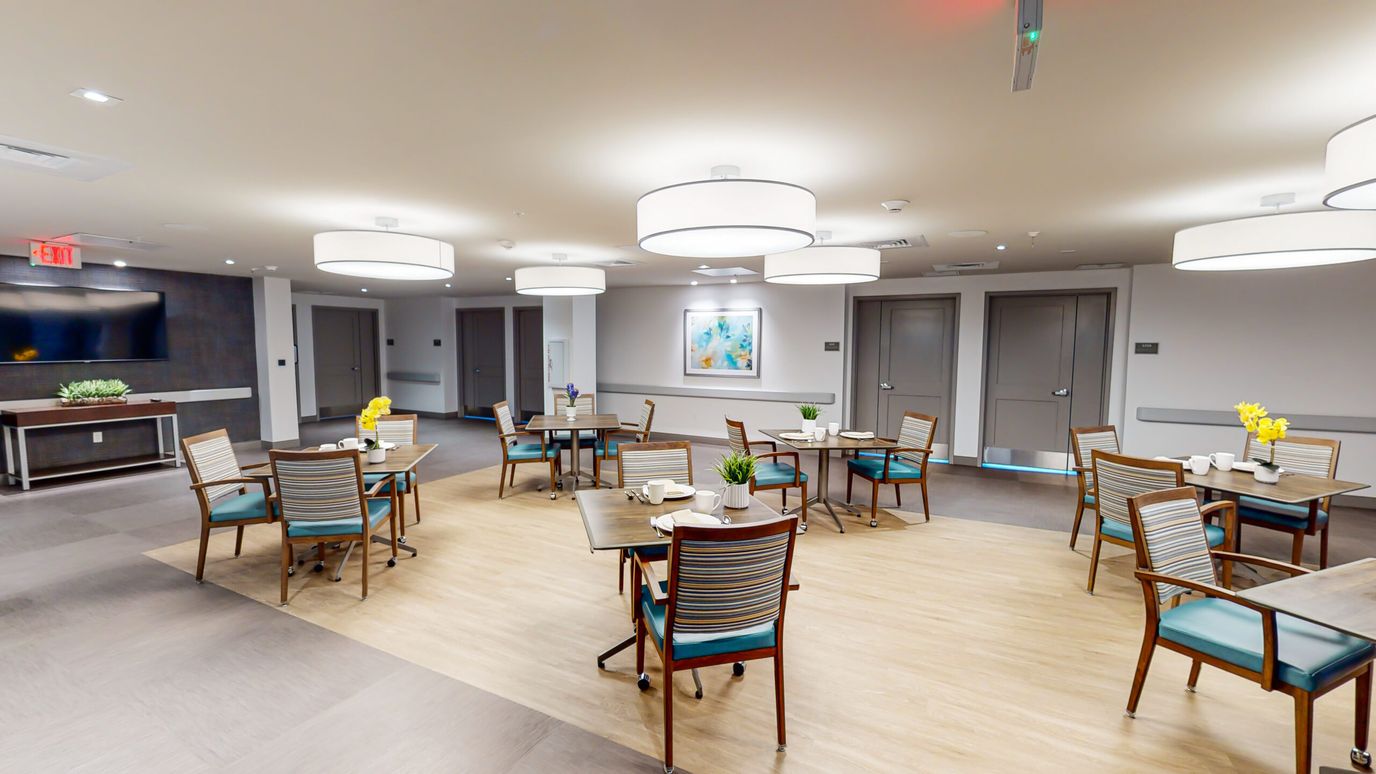
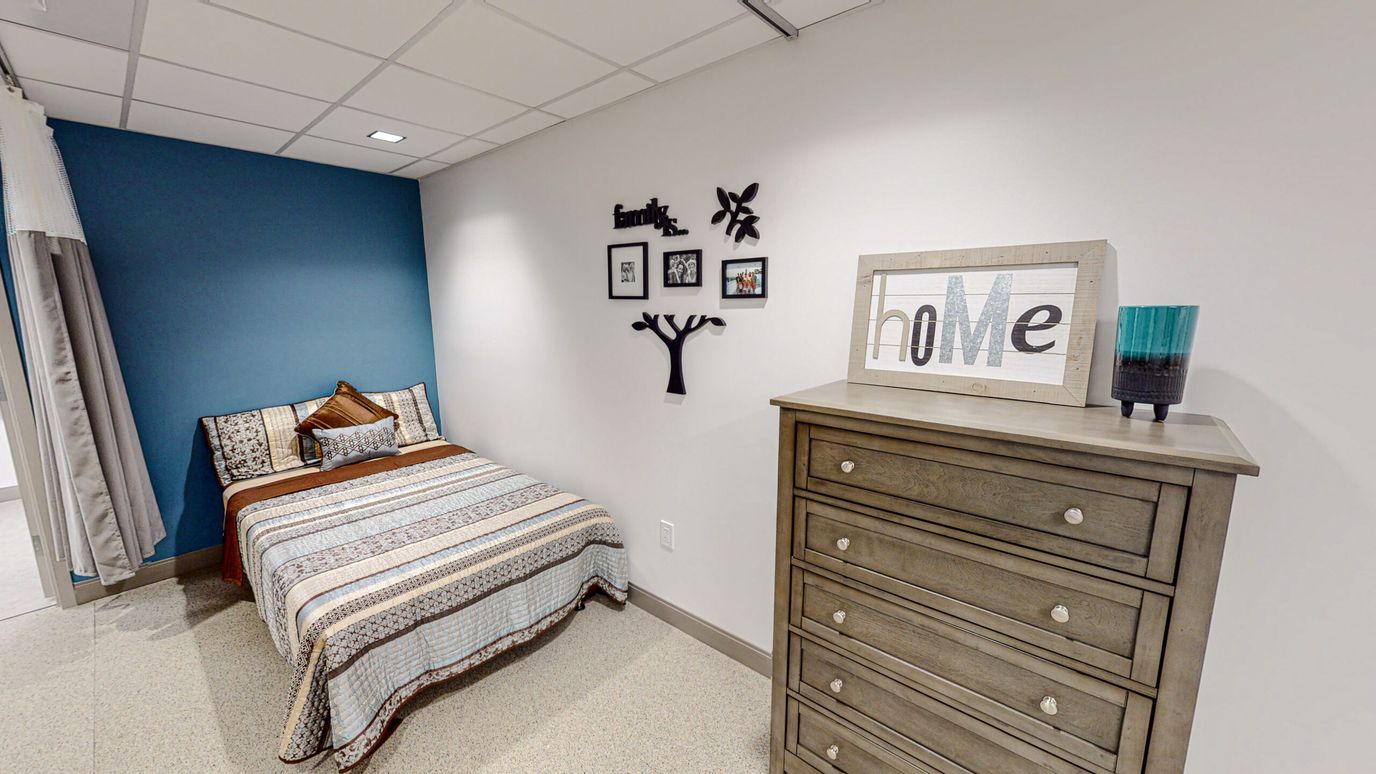
What matters in a short-stay rehab facility is presence: how much clinical time a resident actually gets, and whether there’s continuity of care. The numbers here are substantive. Each resident receives nearly four hours of daily nursing care (3h 49m across RN, LPN, and aide time), with a doctor on staff and nursing around the clock. For context, that’s a real staffing commitment in a 54-bed operation; it’s not a skeleton crew with an administrator covering nights.
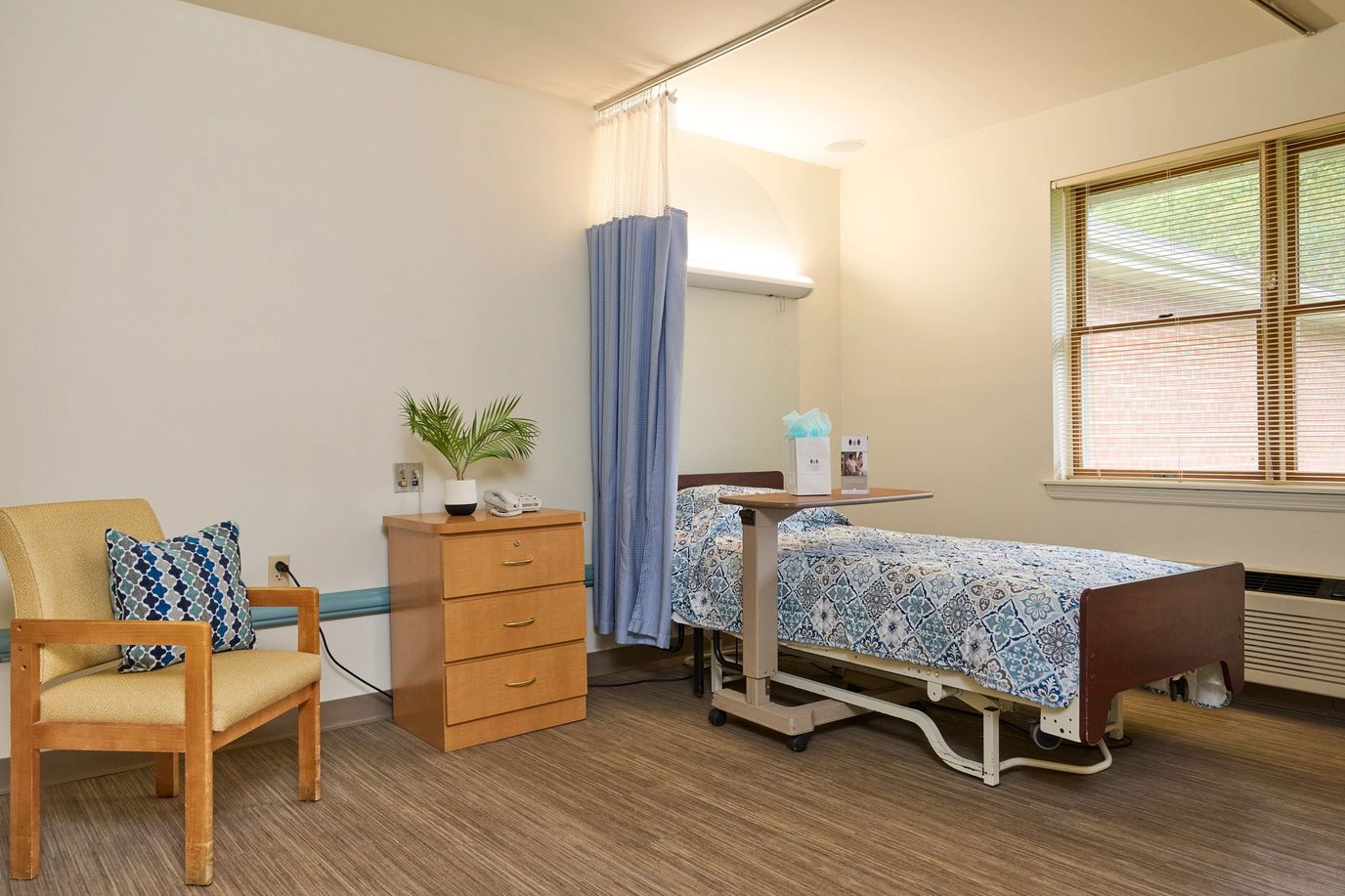
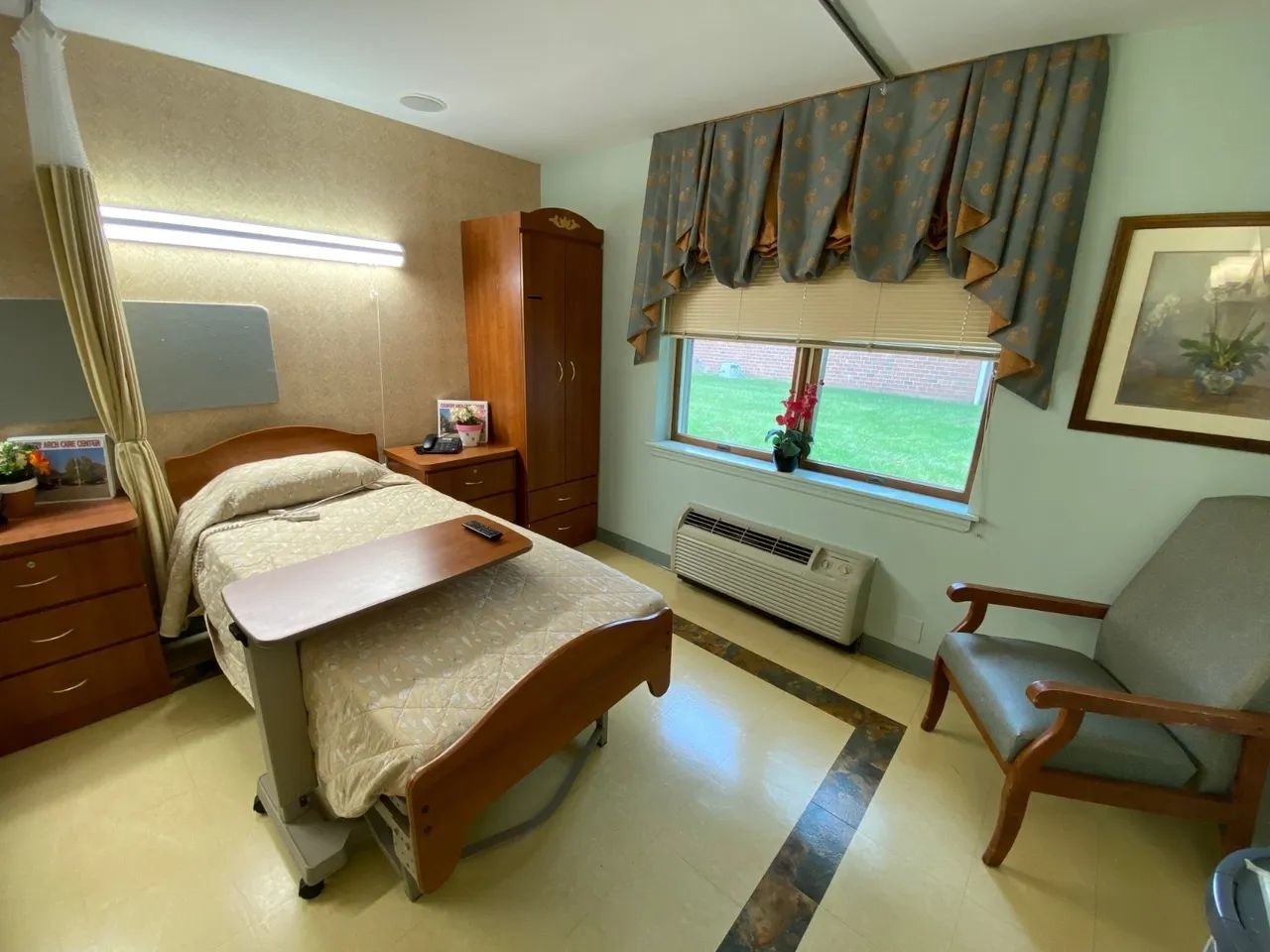
The facility has obviously thought about what rehabilitation residents need beyond the clinical side. Electrically adjustable beds, bedside phones with direct dial, Internet access. The kitchen cooks from scratch, which matters because post-op and cardiac rehab patients often have distinct dietary needs that pre-made or frozen food simply can’t accommodate.
Insurance access is straightforward: Medicare, Medicaid, and private pay. The location cuts another way too; high walkability means family doesn’t need to be comfortable driving or dealing with parking for daily visits. That kind of accessible proximity matters for people trying to stay involved in a loved one’s recovery without the friction of difficult logistics.
The facility has been around long enough to have sustained regulatory scrutiny: 15 years of state inspection history. Inspectors have consistently given weight to medication administration practices and documentation completeness in care planning. These aren’t minor compliance items; they’re the operational discipline that keeps people safe in an acute setting.
The facility’s response has been to keep refining its medication protocols and documentation practices, which is the right direction. When an operation is transparent about where oversight lands and methodical about responding, that suggests an organization that takes regulatory attention as data rather than an obstacle.
Overview of United Methodist Communities at the Shores
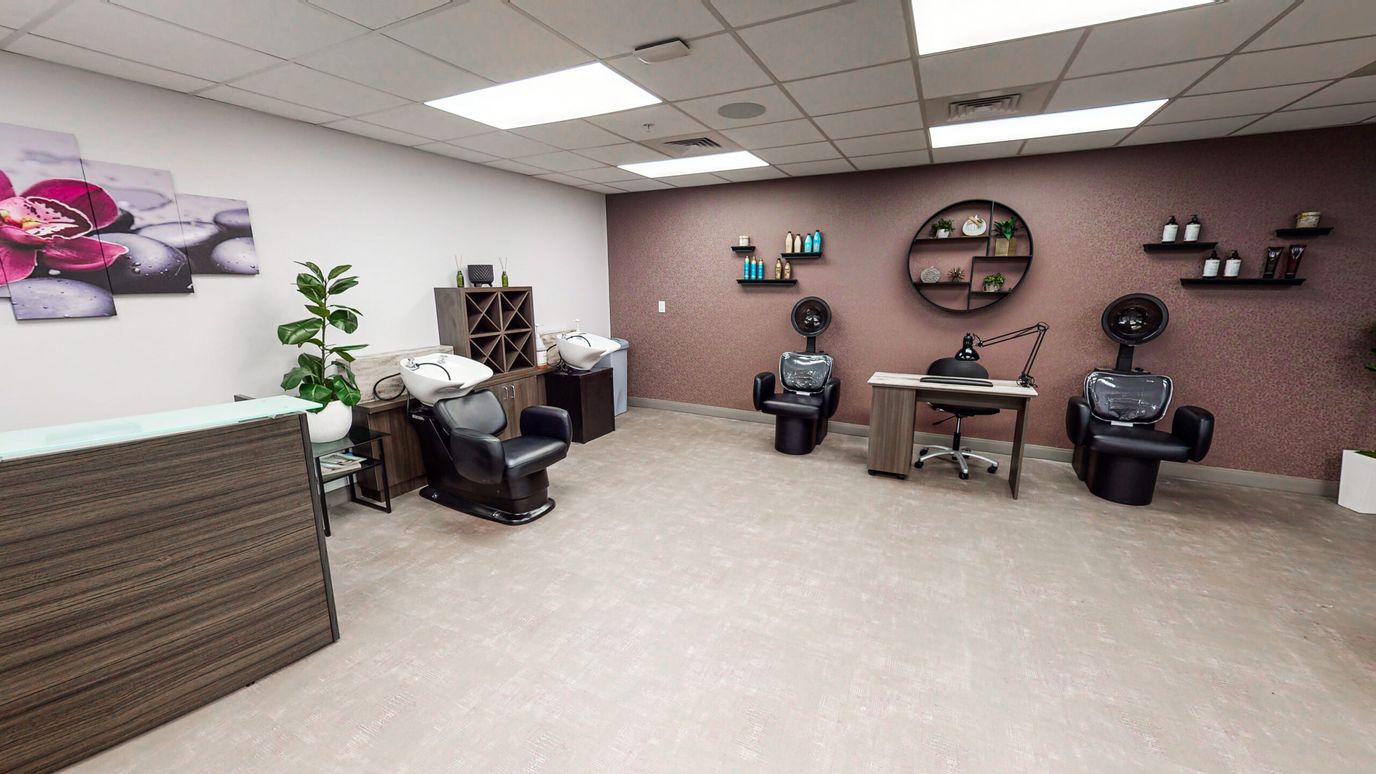
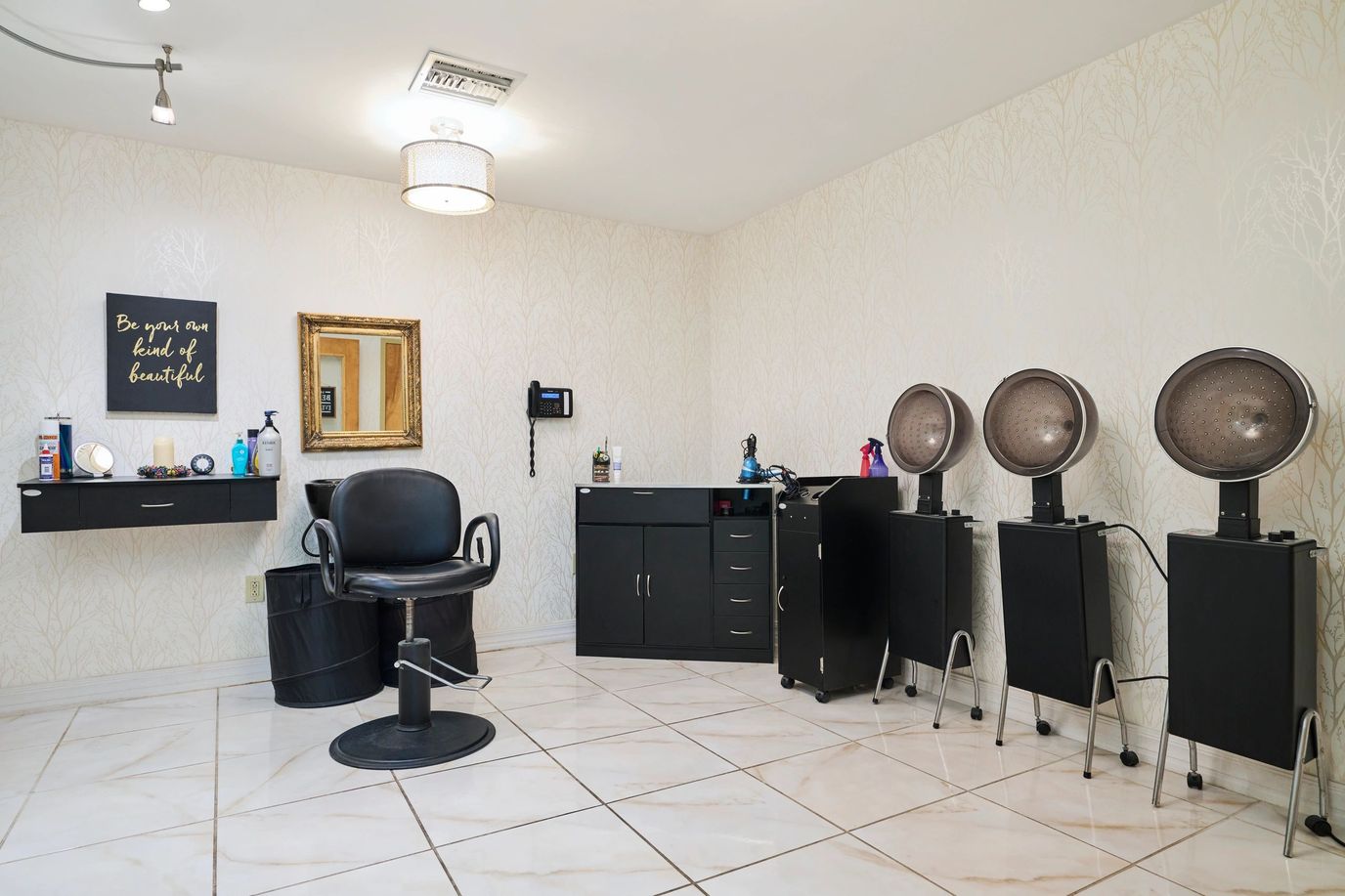
United Methodist Communities at the Shores is a 255-bed skilled nursing facility operated by the nonprofit United Methodist Homes of New Jersey. The campus handles long-term care, short-term rehabilitation, and specialized memory support through its proprietary Tapestries™ program. Shared spaces include a fitness center and a beauty salon, situated in a rural location carrying a Walk Score of 1. Admissions focus heavily on brief post-acute recovery, resulting in an average resident stay of 46 days. Business records reflect significant operational headwinds, as the property carries a 2024 operating loss of $1.3 million and runs at a low 47% occupancy rate.
Public health databases verify strong professional nursing investments paired with a highly favorable regulatory trajectory. Registered nurse care averages 44% above the New Jersey baseline, while physical therapy hours run 50% ahead of state norms, helping drive a short-term community discharge success rate that beats the state average by 20%. Oversight profiles note zero history of federal financial fines or substantiated consumer complaints, culminating in a standard November 2025 inspection that turned up zero deficiencies.
This clean scan follows minor historical markings from earlier cycles, such as care plan documentation gaps in August 2025 and food storage or ventilation items in 2021. While short-term rehabilitation files show strong numbers, long-stay tracking data reveals clear vulnerabilities for permanent residents, noting below-average marks for physical functional preservation, fall prevention, and incontinence management.
Interested individuals exploring regional post-acute rehabilitation or short-term physical therapy options can read over these state profiles to gauge the provider’s current performance. Since the official tracking documentation records low building utilization and extended-care clinical vulnerabilities alongside excellent professional staffing hours, a zero-deficiency recent inspection, and strong short-term discharge data, the paperwork describes a facility highly optimized for brief rehabilitation stays.
Overview of Atlas at Cedar Grove Respiratory & Nursing
Atlas at Cedar Grove Respiratory & Nursing is a nursing home in Williamstown, NJ, offering long-term care, rehabilitation, respite care, and skilled nursing. Promoting a comfortable and supportive environment, the community features upscale amenities dedicated to older adults’ welfare. With round-the-clock care, restaurant-style dining, laundry, and concierge services, residents can focus on their recovery. Focusing on residents’ holistic wellness, the community follows an interdisciplinary approach to care.
Therapeutic recreation, fun gatherings, and local outings encourage residents to make friends and gain meaningful experiences. A hair salon, a gazebo, and spacious grounds also ensure residents’ relaxation. Residents also have quick access to their necessities and leisure with shopping centers and restaurants available in the area. As one of the highly regarded options for senior living in New Jersey, this nursing home strives to help older adults thrive in retirement.
Owned and operated by Millenium Health Care Centers, Careone at Cresskill is a 113-bed nursing home on County Road in Cresskill, New Jersey. It sits in a highly walkable area with a Walk Score of 71, so it’s easy for visiting family and staff to access local errands on foot.
The home serves short-term rehabilitation and post-acute care populations, averaging a stay duration of around 34 days, reflecting its focus on recovery and transition care. For those needing ongoing skilled nursing services, longer-term care is offered. The 24-hour-staffed facility is clinically diverse: registered nurses provide roughly 51 minutes of daily care per resident, while a mixed team of nurse aides, LPNs, and LVNs delivers an additional 2 hours 3 minutes of daily support. Respite care and specialized programs in palliative, hospice, and long-term acute care round out the service offerings. The facility currently operates at 73 percent occupancy. Daily life includes fine dining, private suite options, and an array of amenities tailored for residents and families. Providing daily engagement: on-site recreation programming, a beauty salon and barber shop, and outdoor spaces. The home welcomes pets and offers specialized programming for its Korean-speaking residents, including staff fluent in Korean and access to Korean television and cultural activities. Medicare and private pay are accepted to give families flexible coverage choices.
With regular state reviews evaluating care delivery, documentation practices, and infection control measures, inspections show that Careone at Cresskill prioritizes clinical and compliance standards.
Complete Care at Bey Lea in Toms River is a nursing home that handles both post-acute rehabilitation and longer-term care, accepting Medicare, Medicaid, and private-pay residents. The neighborhood is car-dependent (Walk Score 20), which matters for families planning visits. With occupancy at 75.4% and an average resident stay of 64 days, the facility shows steady operation and primarily serves short-term rehab census alongside some ongoing residents.
The community’s specialization in memory care and dementia support comes with the infrastructure you’d expect: emergency call systems, regular morning check-ins, and in-house skilled nursing. This setup means residents can stay in place even as their cognitive or medical needs change. The staffing picture is lean, averaging 3 hours 9 minutes of combined nursing care per resident daily, which puts this facility below the state average for nursing hours. Weekends maintain 3 hours 20 minutes of aide coverage, a detail that matters if you’re evaluating continuity of care on days when staffing often drops.
The physical plant includes a café with prepared meals, courtyards for outdoor access, and programming that covers cultural events, spiritual activities, and education. Residents and families appreciate having access to an on-site hospital, though the nearest one (Children’s Specialized Hospital Long Term Care Center) is about two miles away.
The admissions mix tilts toward private pay (53%) and Medicare (42%), with minimal Medicaid admissions (5%), which suggests the facility’s cost structure doesn’t align easily with Medicaid reimbursement rates. Yosef Gerson leads the place as Administrator. What we see is a facility positioned for private-pay and Medicare populations seeking short-term rehabilitation in a suburban setting with lean staffing and memory care specialization.
Every nursing home above is evaluated across five weighted categories using CMS data including Care Compare, Payroll-Based Journal, and Medicare Cost Reports.
How we're paid:If we help you find a home and you move in, that home may pay us a referral fee. This never affects where they rank or what you pay. Learn more
Frequently Asked Questions about Nursing Homes in New Jersey
What's the difference between assisted living and a nursing home in New Jersey?
Assisted living in New Jersey is a residential model focused on housing, hospitality, and help with daily activities. Nursing homes (skilled nursing facilities) provide 24/7 medical care from licensed nurses for residents with significant health needs, and are regulated more strictly under both state and federal CMS rules.
Does New Jersey Medicaid cover nursing home care?
Yes — New Jersey Medicaid covers nursing home care for residents who meet income, asset, and medical-need eligibility requirements. Most CMS-certified nursing homes accept Medicaid as a primary payer once long-term-care eligibility is established.
What is nursing home care?
Nursing homes (also called skilled nursing facilities) provide 24/7 medical care from licensed nurses, rehabilitation services, and long-term custodial care for residents with significant health or functional needs.
How many nursing homes are listed on this page?
This page features 310 nursing homes in New Jersey. Use the filters and comparison tools above to compare ratings, amenities, and pricing.
How do I choose the right nursing home in New Jersey?
Start by matching the level of care offered to the resident's current and anticipated needs, then compare licensing status, staff-to-resident ratios, recent inspection results, and pricing. Tour at least two or three communities in New Jersey, talk to current residents and families, and confirm what is included in the base rate versus billed as add-on services.
What should I look for when visiting nursing homes in New Jersey?
Pay attention to staff interactions with residents, cleanliness and odor, food quality at meal times, the activity calendar, and how questions about pricing and care plans are answered. Ask to see the most recent state inspection report, the move-out / level-of-care-change policy, and a sample monthly bill that lists every fee.
If you move into a community through us, that community may pay us a referral fee. This never changes your cost or which options we recommend. Learn more
Need Help?
Let us help you or a loved one find the perfect senior home.