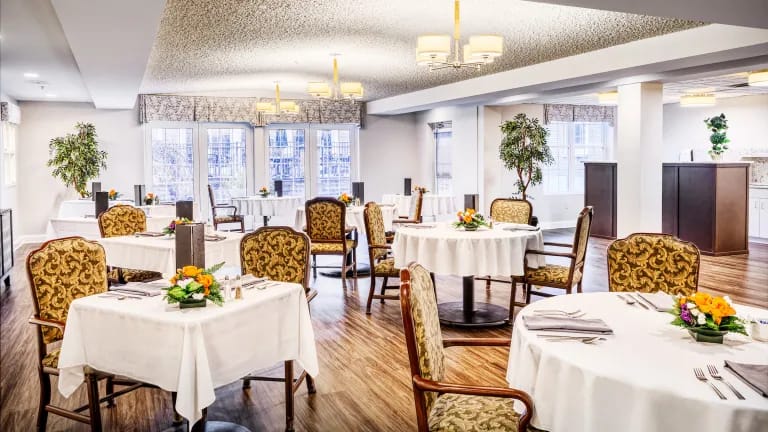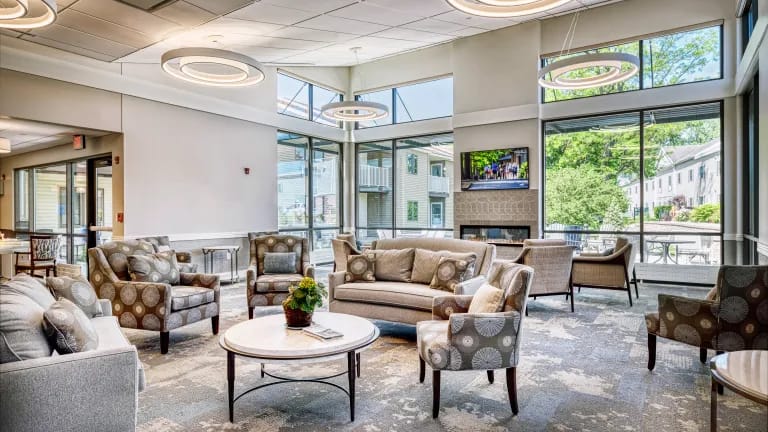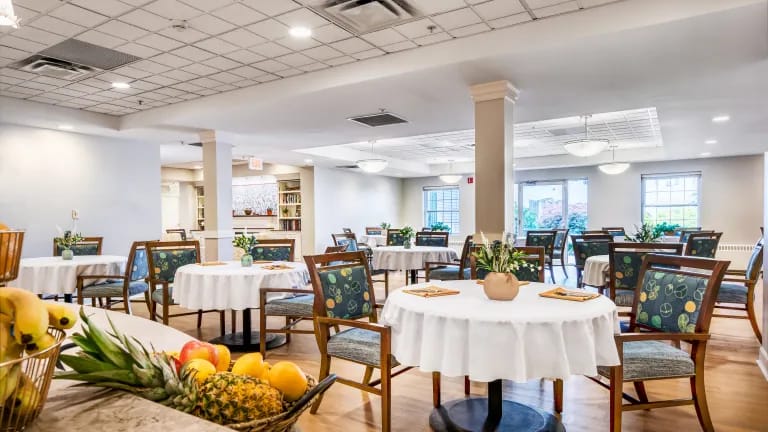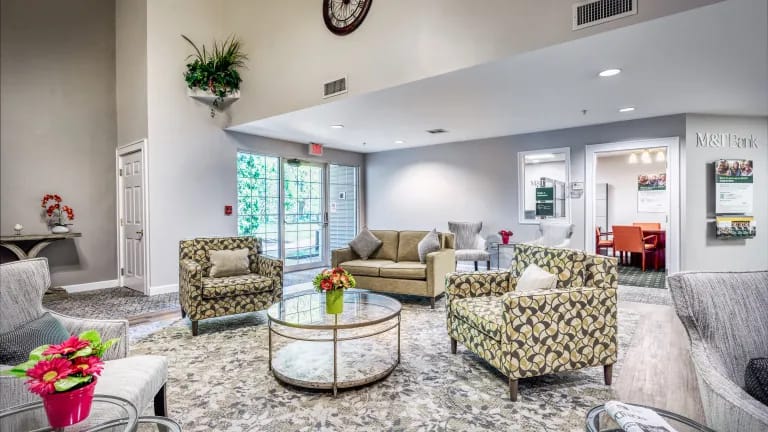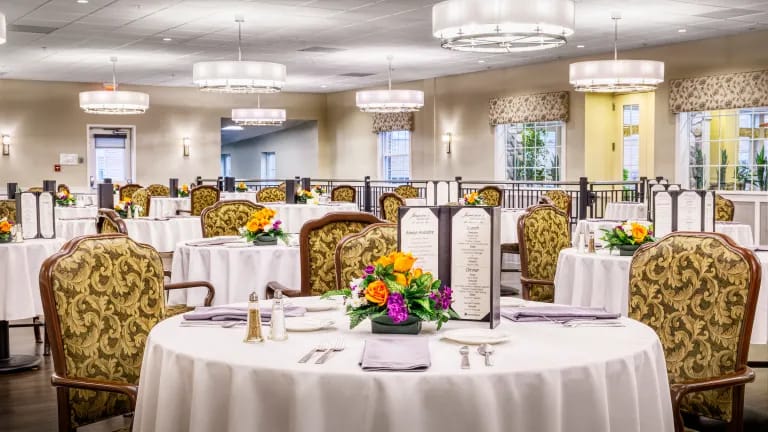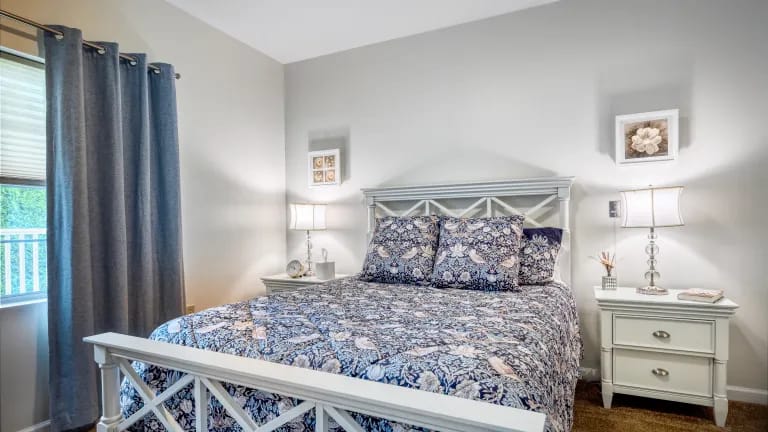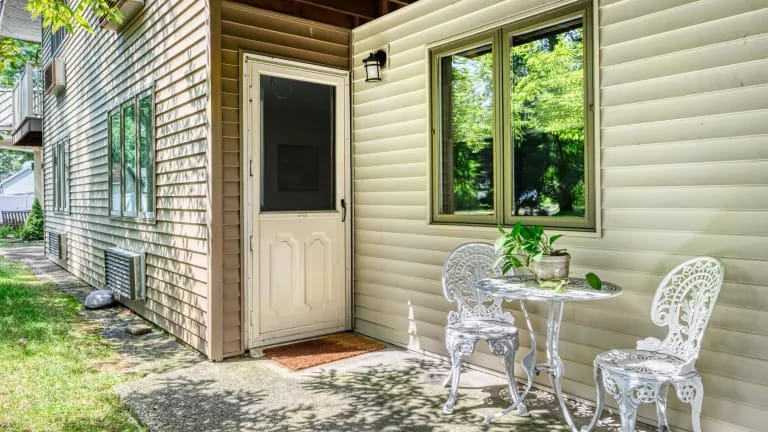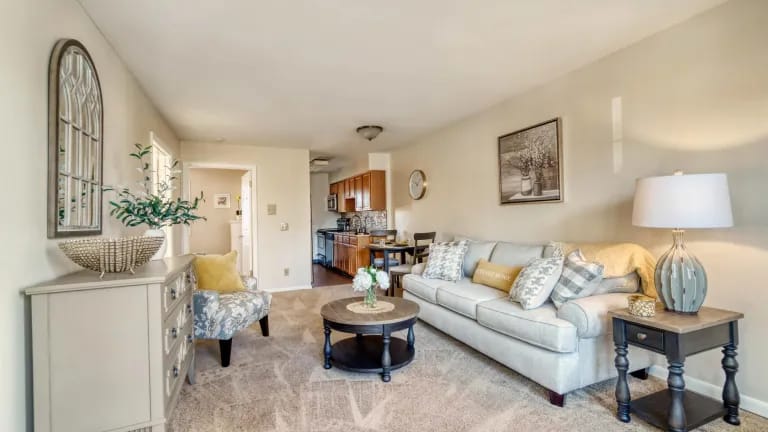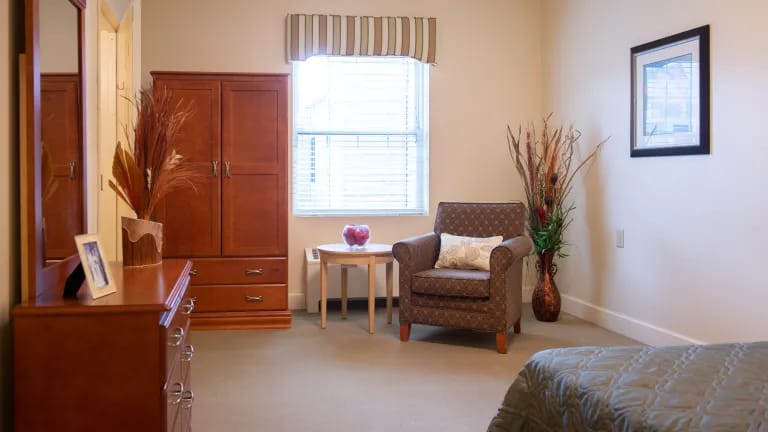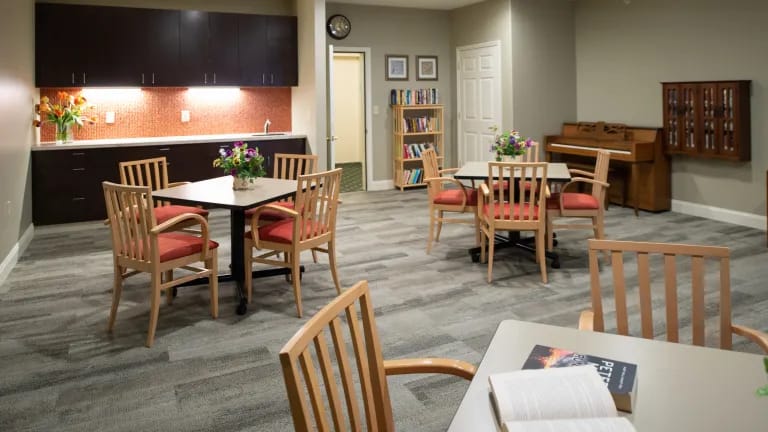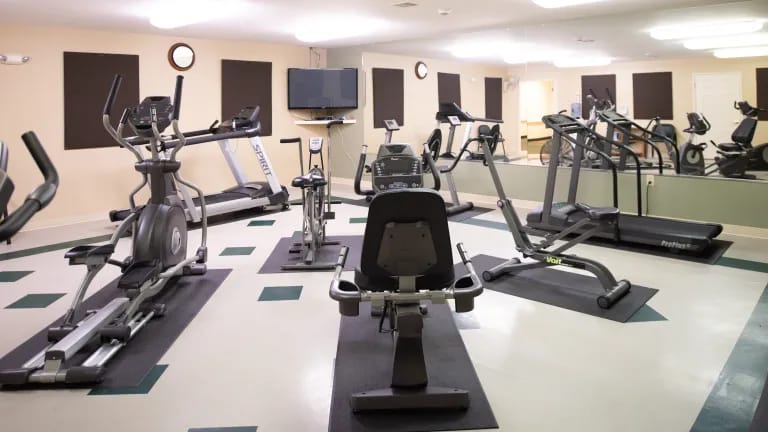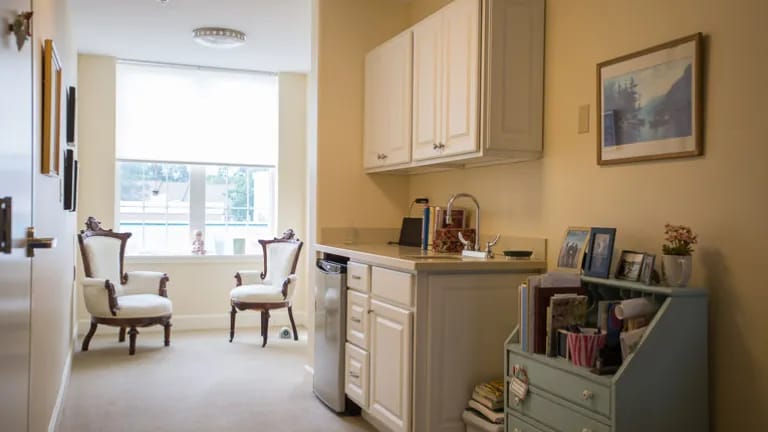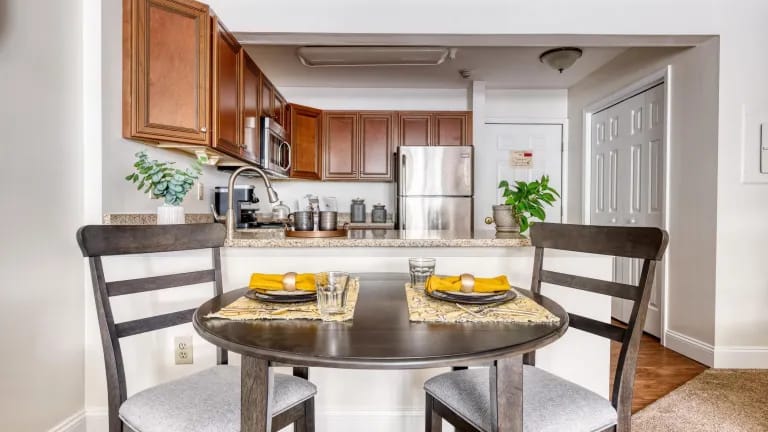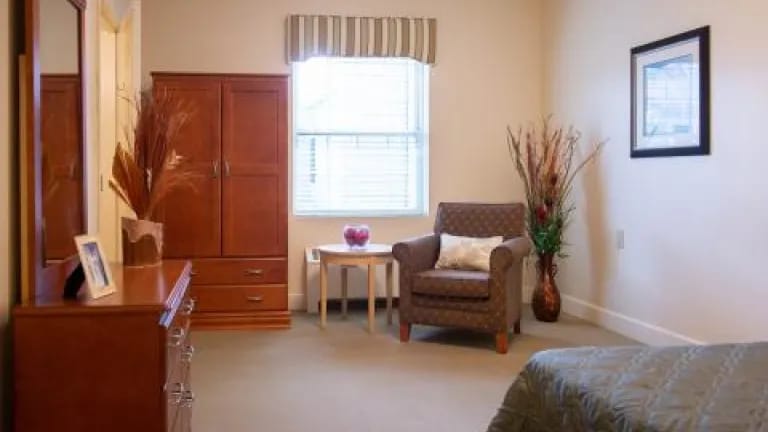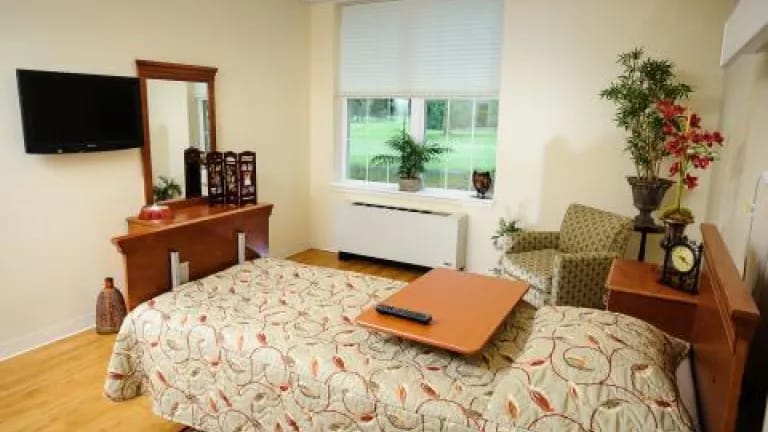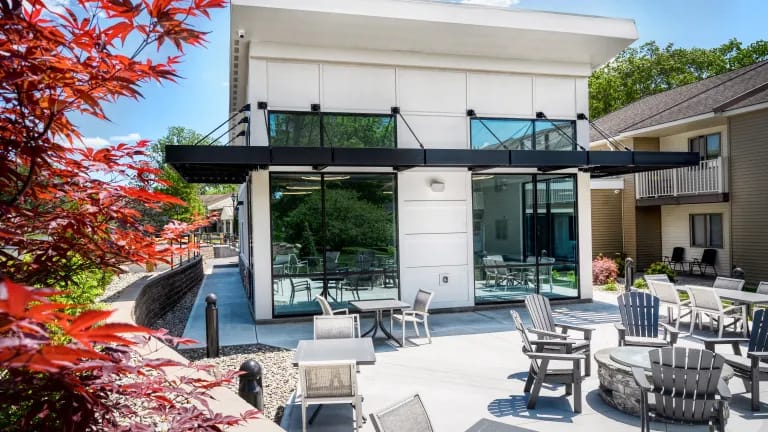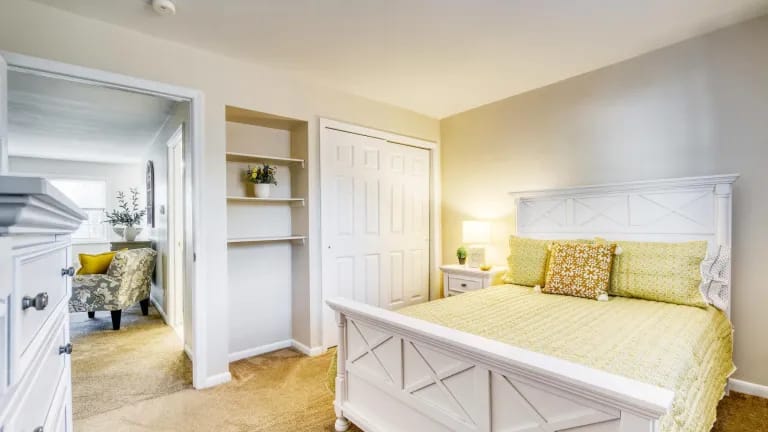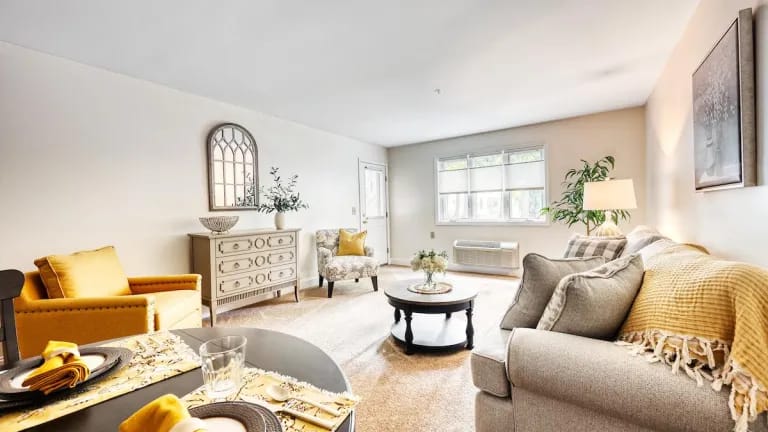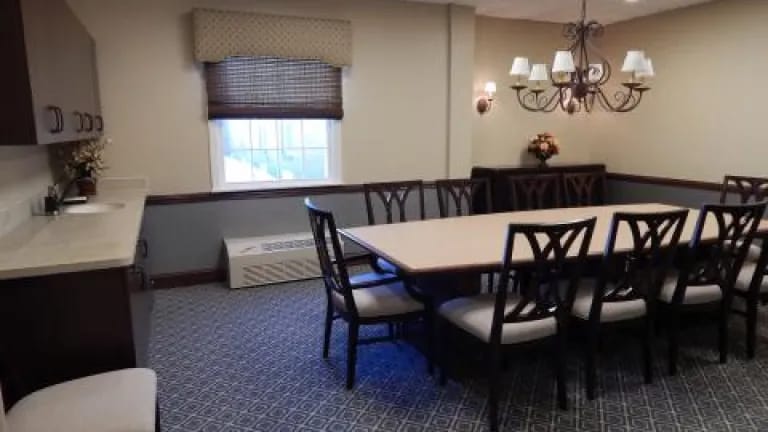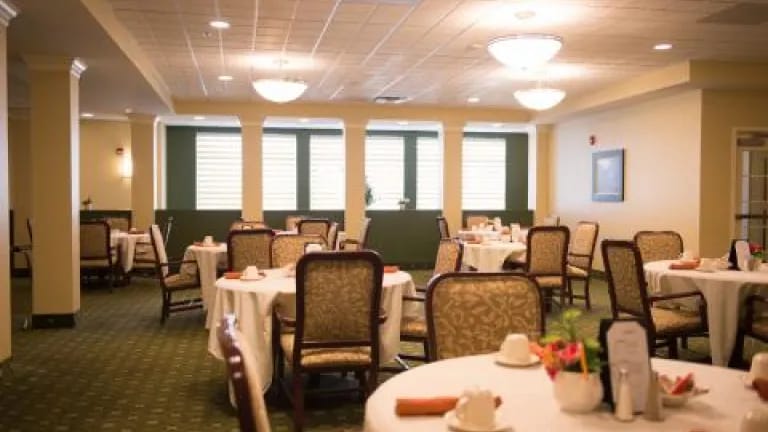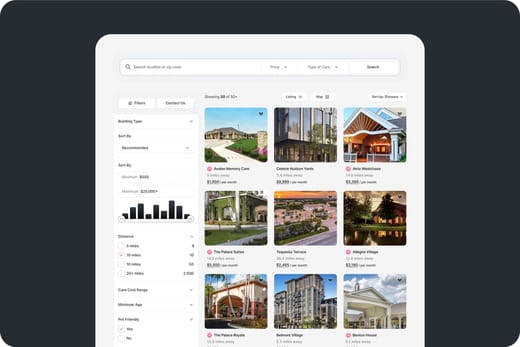
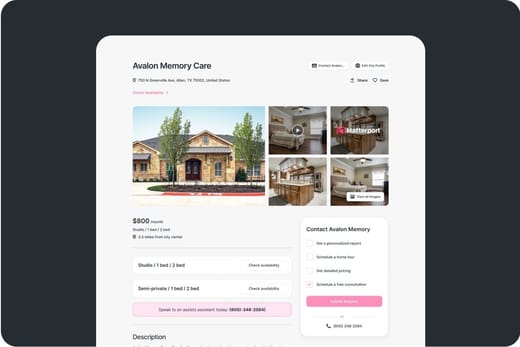
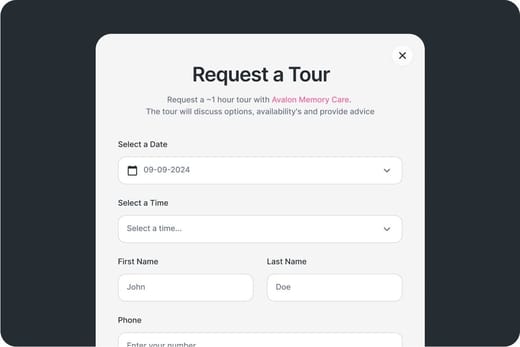
We arrange tours, appointments, and even moving support so you don’t have to
2
Ranked on Data, Not Dollars
We rank communities on objective measures like inspection records, quality scores, and care data, so you can find trusted options without the guesswork.
3
Personalized Guidance
From lifestyle matching to help with insurance and financial assistance, we make sure the community is the right fit
Explore Open Rooms
1Contact details
2What type of senior care service are you looking for?
3What budget do you have in mind for senior care?
4How soon do you need to find care?
5Additional details
Thank you for your interest!
Our team will be in touch shortly to help with next steps.
Why trust this guide?
Our editorial team analyzed 457 nursing homes in NY using CMS data, inspection records, complaints, amenities, and facility-level details. How we rank nursing homes in NY
Video Tour: Top-rated Nursing Homes facilities in New York State.
Watch this Video to see New York State's Top-rated Senior Communities
Avg Overall CMS Rating:3.1/ 5The average Overall CMS Rating for all CMS-certified nursing homes in New York State. Ratings combine health inspections, staffing, and quality measures, with inspections weighted most. Individual facilities can vary widely from this average.
National Average:3.2/ 5
Avg Staffing Rating:2.7/ 5The average Staffing Rating across all CMS-certified nursing homes in New York State. Reflects nursing staff hours per resident per day (including RNs), adjusted for residents' care needs. Individual facilities can vary widely from this average.
National Average:3.4/ 5
Avg Health Insp. Rating:2.8/ 5The average Health Inspection Rating across all CMS-certified nursing homes in New York State. Based on each facility's recent inspections and complaint investigations, weighing the number, scope, and severity of deficiencies. Individual facilities can vary widely from this average.
Info below is compiled from CMS reports & the NY State Dept. of Health (NYSDOH), senior community websites & trusted data sources such as Walk Score & BBB.
Communities are listed from highest to lowest based on our ranking methodology.
The facility name. Click to view the full profile page on Assisted Living Magazine, including photos, services, and contact info.
CMS (Centers for Medicare & Medicaid Services, the federal agency that regulates nursing homes) Overall 5-star rating — a composite of Health Inspection, Staffing, and Quality Measures scores. 5 stars = top 10% nationally. 1 star = bottom 10%. The single most important number to start with when comparing facilities.
Care Types in This TableAL (Assisted Living):
Housing with help for daily activities like bathing, dressing, and medication, without 24-hour skilled nursing.
NH (Nursing Home):
24/7 skilled nursing care for residents with complex, ongoing medical needs.
SNF (Skilled Nursing Facility):
Round-the-clock nursing care, often for recovery after surgery, injury, or illness.
MC (Memory Care):
Secured, specialized care for people living with Alzheimer's or dementia.
RC (Respite Care):
Short-term temporary care that gives family caregivers a break.
IL (Independent Living):
Community living with dining, activities, and transportation for active seniors who need little personal care.
HC (Home Care):
Professional care delivered in the person's own home, from companionship to skilled nursing.
HOS (Hospice Care):
Comfort-focused care for those with a terminal illness, prioritizing quality of life over treatment.
ADC (Adult Day Care):
Daytime supervision, health monitoring, and social activities for seniors who live at home.
PC (Palliative Care):
Comfort-focused care for serious illness at any stage, including alongside curative treatment.
Neighborhood or city area where the facility is located. Proximity to family, hospitals, and green space matters for both quality of life and ease of visitation. Consider drive time and transit access when evaluating location.
Licensed bed capacity. Larger facilities (300+ beds) often have more specialized programs but can feel institutional. Smaller homes (under 150 beds) tend to deliver more personalized care. Compare with Avg Res/Day to understand how full the facility typically runs.
Percentage of licensed beds filled on an average day. Color indicates financial health: green (90%+) = operationally strong, typically profitable. Amber (80–89%) = stable but leaving revenue on the table. Orange (70–79%) = financial strain likely, may struggle with fixed costs. Red (<70%) = significant distress, closure or ownership change risk increases sharply.
This facility's occupancy rate compared to the statewide average for similar facilities. A positive number means above-average demand. Facilities running 5%+ above the state average are typically the most sought-after in their market — a strong proxy for reputation.
CMS-adjusted total nurse hours per resident per day (RN + LPN + CNA combined). The national average is approximately 3.5 hrs. Higher is better — more direct care time per resident. Below 3.0 is a red flag. CMS weights RN hours more heavily because RNs handle complex clinical decisions that CNAs cannot.
CMS Health Inspection star rating (1–5 stars), based on the 3 most recent annual state surveys plus any complaint investigations. This is the hardest rating to manipulate — it reflects real surveyor findings on-site. 5 stars = fewest deficiencies found. 1 star = most. It carries the heaviest weight in the Overall CMS rating.
CMS Staffing star rating (1–5 stars), based on daily nurse staffing hours submitted to CMS via verified payroll data. Compares RN, LPN, and CNA coverage relative to resident acuity level. 5 stars = well above expected staffing. Weekend staffing is evaluated separately, as that's where many facilities quietly reduce coverage.
CMS Quality Measures star rating (1–5 stars), based on 15 clinical outcome metrics including fall rates, pressure ulcers, antipsychotic drug use, and hospital readmissions. Captures actual resident health outcomes, not just compliance. High QM combined with low Health Inspection scores can indicate a facility with strong care but weak documentation practices.
Registered Nurse hours per resident/day compared to the statewide average. RNs are the highest-skilled nursing staff — they assess residents, manage medications, and respond to emergencies. A value of +50% means RN coverage is 50% above the state norm. Negative values are a concern for residents with complex or acute medical needs.
Total nursing staff hours (RN + LPN + CNA combined) per resident/day vs. the statewide average. A broader measure than RN vs State — it captures the entire care team. A facility can have high total staffing but low RN hours, meaning more aides and fewer nurses. Read both columns together for the full picture.
Total dollar amount of federal monetary fines (civil money penalties) issued by CMS in the past 3 years. Fines are only levied for serious violations — typically actual harm to residents, repeated uncorrected deficiencies, or systemic non-compliance. Even a single fine is noteworthy. Multiple fines strongly suggest a pattern, not isolated incidents.
Total health deficiency citations from the most recent standard inspection cycle. Minor citations (scope A–C) are common and often administrative in nature. Higher counts aren't always disqualifying, but should be read alongside Severe Citations to understand actual harm levels. Under 10 is strong for a large facility; 30+ warrants a closer look.
Average deficiency citations per CMS inspection (survey) in the reporting window — total citations divided by the number of inspections. Lower is better; compare alongside total Citations and Severe Citations for context.
Citations at CMS scope/severity level G or higher — G–I means actual harm occurred; J–L means residents were placed in immediate jeopardy. (D–F is potential for harm only). Examples include unaddressed falls, medication errors causing injury, neglect, or abuse.
Average number of residents in the building on any given day, derived from annual census data. Reflects true operating scale — a 400-bed facility running 200 residents/day operates very differently from one at 390. Higher resident counts generally mean more funded staffing hours.
Better Business Bureau rating (A+ to F). Reflects complaint history, business transparency, and how family disputes were resolved. A+ means no significant unresolved complaints. A blank (—) means the facility isn't BBB-accredited, which is common for healthcare providers and not necessarily a negative signal.
Walk Score® (0–100). Measures walkability of the surrounding area. 90–100 = Walker's Paradise. 70–89 = Very Walkable. 50–69 = Somewhat Walkable. Below 50 = Car-Dependent. Higher scores benefit family visitors, resident outings, and staff commuting.
The licensed owner or operator of record filed with CMS — the individual or organization legally accountable for the facility. Searching the operator name across other facilities can reveal chain or multi-site ownership, which matters: chain-operated homes tend to have more variable quality outcomes than independently run facilities.
What the home actually collects for resident care, after contractual allowances, bad debt and discounts — not gross billings. Taken from the latest complete annual cost report, so it is comparable across homes reporting the same period. Revenue alone doesn't indicate care quality, but it funds staffing and capital reinvestment. Pair with Payroll %. Figures are from each facility's most recent complete fiscal year — hover a value for the exact year; a * marks homes that report an older period than most facilities.
Staff salaries plus wage-related benefits from the latest complete annual cost report. Contract and agency labour is counted separately, under other operating costs, so a home leaning on agency staff can show a low figure here. Payroll is the cost most directly tied to care quality — compare with Payroll % for full context. Figures are from each facility's most recent complete fiscal year — hover a value for the exact year; a * marks homes that report an older period than most facilities.
Payroll as a share of NET PATIENT REVENUE (not gross revenue). Both figures come from the same cost-report year. A higher figure means more of each revenue dollar goes to staff pay. Read with the Staffing star rating to judge whether spend translates into coverage — and note that homes whose patient revenue covers only part of their operation can read implausibly high. The New York average is: 55.8% Figures are from each facility's most recent complete fiscal year — hover a value for the exact year; a * marks homes that report an older period than most facilities.
CMS Certification Number: the unique federal identifier for this skilled nursing provider.
$8.2M*Fiscal year ending 2018These figures are from this home's most recent complete cost report — an older period than most facilities report. Compare with that in mind.
$4.2M*Fiscal year ending 2018These figures are from this home's most recent complete cost report — an older period than most facilities report. Compare with that in mind.
51.1%*Fiscal year ending 2018These figures are from this home's most recent complete cost report — an older period than most facilities report. Compare with that in mind.
$8.1M*Fiscal year ending 2012These figures are from this home's most recent complete cost report — an older period than most facilities report. Compare with that in mind.
$4.9M*Fiscal year ending 2012These figures are from this home's most recent complete cost report — an older period than most facilities report. Compare with that in mind.
60.9%*Fiscal year ending 2012These figures are from this home's most recent complete cost report — an older period than most facilities report. Compare with that in mind.
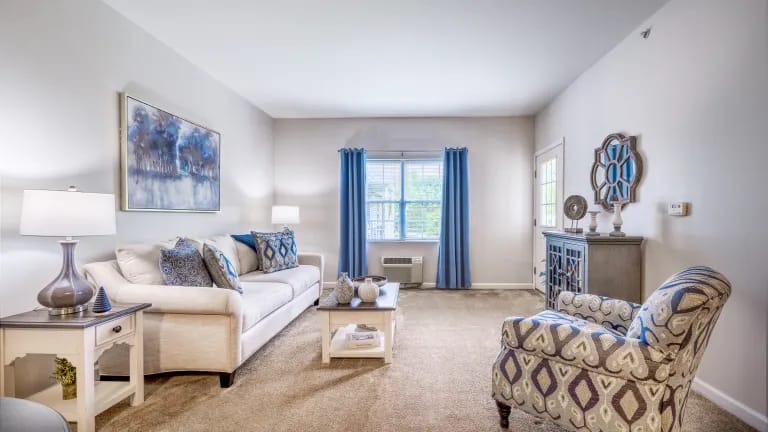
Offering skilled nursing, rehabilitation, and physical therapy services, Kendal on Hudson is a life plan community in Sleepy Hollow, New York, with a 26-bed capacity. Located at 1010 Kendal Way, the mid-rise residence offers studio, one-bedroom, and two-bedroom accommodations and maintains a 96% occupancy rate. Operated by Kendal on Hudson under owner Shirley Regan, it also accepts Medicare, Medicaid, and private pay.
An average of 6 hours and 56 minutes of direct nursing care is provided each day from registered nurses, licensed practical nurses, and certified nursing assistants. This level of staffing supports individuals recovering from surgery or illness as well as those with ongoing skilled nursing needs.
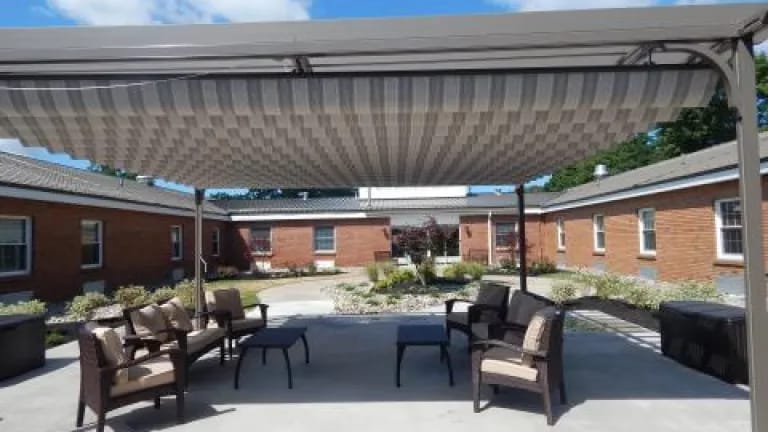
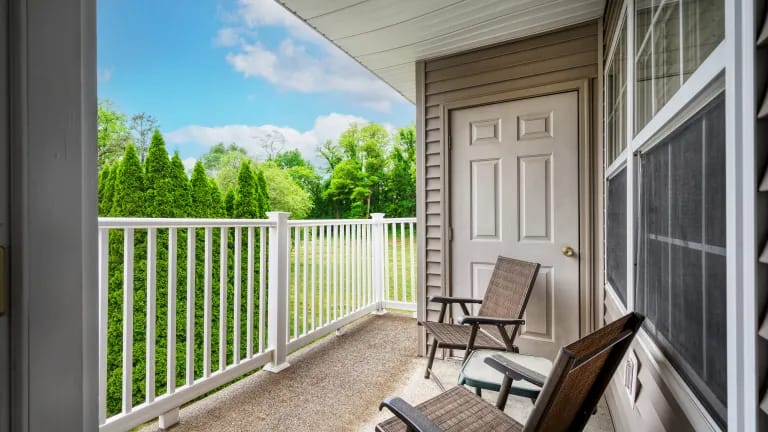
In addition, an outdoor patio overlooking the Hudson River, an indoor swimming pool, and transportation to the express train serving New York City are available, making it easier to access medical appointments, cultural attractions, and family visits. Although the surrounding area is largely car-dependent, these transportation options provide added convenience.
State inspections conducted by the New York Department of Health have also demonstrated a strong compliance record. For over seven years, the community received no cited deficiencies, substantiated complaints, or enforcement actions.
Overview of Split Rock Rehabilitation and Health Care Center
Split Rock Rehabilitation & Healthcare Center is a distinguished healthcare facility focused on patient recovery and achieving maximum functionality in a compassionate environment. Situated in the heart of the Bronx, NY, Split Rock is renowned for its exceptional quality of care delivered by a dedicated and compassionate staff. Families can find solace in knowing that their loved ones are surrounded by a warm and caring family while under the care of our available doctors and registered nurses, who provide nurturing support around the clock.
Since 1970, Split Rock has maintained a commitment to delivering the highest standards of care to the community. The facility is specifically equipped to cater to various post-hospitalization needs, including acute illness or surgery, orthopedic joint replacement, injury, stroke, respiratory, and cardiac care. Throughout the stay, Split Rock emphasizes the importance of family involvement and works closely with them to ensure a collaborative approach to care. Whether individuals require short-term care, long-term care, adult day care, home services, respiratory/ventilator care, or on-site dialysis, the dedicated team at Split Rock Rehabilitation & Healthcare Center is devoted to providing comprehensive and personalized nursing home services tailored to meet each individual’s unique needs.
Westhampton Care Center is a 180-bed skilled nursing facility in Westhampton, New York, providing long-term nursing care, memory care, rehabilitation services, and respite care to residents across Suffolk County. The community is located 1.9 miles from the village center and and is privately owned and operated by Kelly Brady.
The facility holds a 5-star CMS overall rating. Its occupancy rate is 97%, well above New York’s statewide average of 88%, indicating sustained local demand. Nurse staffing averages 2 hours and 58 minutes per resident per day.
Across four inspections reported from 2022 through June 2025, the facility averaged 5.3 deficiencies per year — roughly in line with the New York average of 5.1. One January 2022 complaint investigation included a Level 3 actual harm citation, which was corrected by March of that year; subsequent inspections returned to Level 2 findings only. Complaint investigations did not result in substantiated findings, and no fines or enforcement actions appear in the record. All cited deficiencies were corrected within the required timelines.
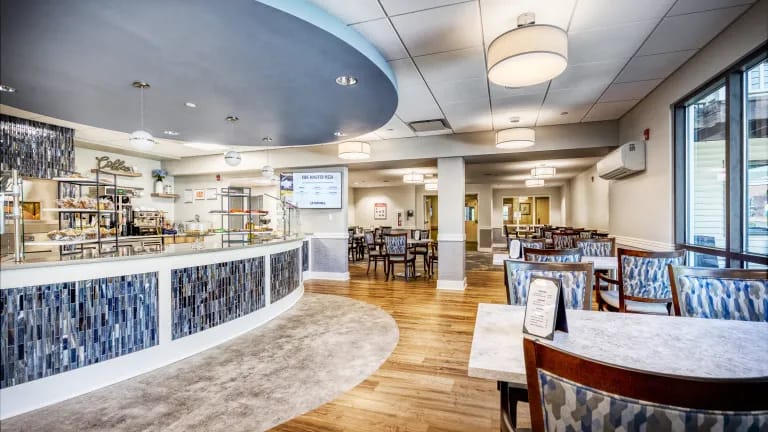
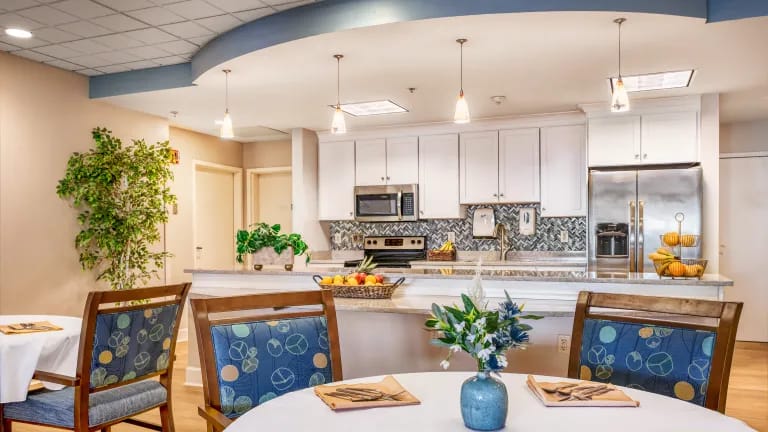
The facility’s amenities include restaurant-style dining, private suites with individual climate controls, a salon, and outdoor gardens. Music therapy, pet therapy, and a Therapeutic Recreation program round out the activity calendar.
Westhampton Care Center serves residents seeking long-term nursing care or post-acute rehabilitation in a high-demand, low-turnover setting on the East End of Long Island.
Located at 516 West 126th Street in Harlem, Manhattan, St Mary’s Center Inc is a skilled nursing facility owned and operated by John Okwodu. The 40-bed home provides comprehensive skilled nursing care. It operates at 93% occupancy, with 37 residents. Its location has a Walk Score of 93, placing it in one of Manhattan’s most walkable neighborhoods. Family members and visitors can easily reach the facility and nearby transit on foot.
One of the home’s key strengths is its clinical staffing. Residents receive an average of 4 hours and 44 minutes of nursing care each day, including 58 minutes of registered nurse care, along with support from licensed nurses and nurse aides. The facility has 24-hour staffing, so residents can receive continuous hands-on care whether they are recovering from surgery, returning after a hospital stay, or living with ongoing medical conditions.
Rehabilitation services help residents improve strength, mobility, and independence during their stay. The care team also provides therapeutic recreation, social work, and pastoral care to support residents’ emotional, spiritual, and social well-being alongside their medical needs. Clinical services are available to address changing health needs throughout a resident’s stay.
New York State Department of Health inspections have focused on care documentation and life safety requirements over the years. Any cited deficiencies were corrected promptly. Families can ask about medication labeling procedures and environmental safety practices during a visit.
St Mary’s Center combines the personalized feel of a small nursing home with the convenience of a highly walkable Manhattan location. It’s a practical choice for families seeking skilled nursing care in upper Manhattan.
Overview of Rockville Skilled Nursing & Rehabilitation Center
At 50 Maine Avenue in Rockville Centre, Nassau County, Rockville Skilled Nursing & Rehabilitation Center has been running for 28 years. It’s a 66-bed nursing home and skilled nursing facility, owned by Susan Welge. The neighborhood itself is very walkable. With a Walk Score of 82, most errands here don’t require a car, and that matters for visiting family who’d rather park once and walk than shuttle between stops.
Right now the facility is running near capacity: 60 of its 66 beds are filled, a 91% occupancy rate. That kind of steady occupancy usually points to a facility people choose to stay in, not just check into. The care model here covers two different needs at once. Residents recovering from surgery or a hospital stay can get short-term rehab, while others settle in for ongoing nursing care, and 24-hour staffing covers both groups around the clock.
Physical therapy, occupational therapy, pulmonary rehab, and cardiac rehab are all on-site, along with wound care. A resident recovering from a stroke, a fall, or heart surgery can get targeted treatment without being sent somewhere else for it. Mental health services, dental care, pharmacy support, and a clinical lab round things out, so a fair amount of day-to-day medical need gets handled without leaving the building. Transportation assistance is available too.
The activity calendar includes off-site field trips, educational programs, daily exercise, religious services, and wellness programming, which gives residents something to structure a day around besides appointments.
Staffing numbers back up the clinical picture: residents get an average of 2 hours and 58 minutes of total nursing care per day, with registered nurses contributing about 36 minutes of that. Medicare, Medicaid, and private pay are all accepted, which opens up more than one route for families figuring out how to pay for care.
New York’s Department of Health, Office of Aging and Long Term Care handles inspections here, and those inspections have tended to center on environmental and hazardous-materials safety, the physical condition of the building and how materials are stored, rather than anything about direct resident care. For a facility splitting its work between short-term rehab and longer-term nursing care, that combination of steady occupancy, a genuinely broad therapy list, and round-the-clock staffing is what defines it.
Situated at 920 Cherry Ridge Boulevard in Webster, Monroe County, St. Ann’s Community operates as a 72-bed nonprofit nursing home. The facility serves Medicare rehabilitation patients and longer-term skilled nursing residents, with memory care and respite options available. Current occupancy stands at 97%, well above the state average, signaling consistent demand and stable operations.
The staffing measure that most distinguishes this community is nurse hours: 4 hours 32 minutes per resident per day, approximately 30% higher than New York’s 3-hour 29-minute state average. This ranks the facility 40th among 388 state nursing homes. Direct clinical care at or above this level often reflects stronger oversight capacity and faster response to resident health changes; a meaningful differentiator for families evaluating skilled nursing options.
Regulatory findings, however, paint a more complex story. Across nine state inspections since 2021, the facility accumulated 20 citations, substantially above New York’s average. The September 2025 inspection, the most recent, documented six Level 2 deficiencies spanning feeding assistance, medication labeling, environmental safety, and electrical systems; no actual harm was reported at the time.
Earlier surveys during 2023 and 2024 identified similar recurring patterns in medication management, care planning, and life safety code compliance. While the facility corrected some deficiencies within months, the pattern of recurrence across multiple inspection cycles suggests systemic vulnerabilities in these operational areas.
The complaint record provides some counterbalance: 22 formal complaints over seven years resulted in 47% fewer complaint investigations than the state average, and those investigations yielded unsubstantiated findings. The facility has incurred no federal fines in the past three years. Long-stay resident outcomes, though, underscore care-quality gaps. Functional decline and fall-injury rates both run significantly above state averages, indicating residents either arrive with complex needs or experience functional loss during their stay at higher-than-typical rates.
St. Ann’s Community is suited for families seeking skilled nursing care with above-average staffing levels, particularly for short-stay rehabilitation or residents managing multiple chronic conditions.
Owned by James De Luca and operated by Penn Yan Manor Nursing Home, Inc., Penn Yan Manor is a small, intimate 46-bed nursing home at 655 North Liberty Street in Penn Yan, New York. The home is located in a very walkable neighborhood with a Walk Score of 74, so most errands are within walking distance. The community has an occupancy rate of 94%. Residents stay an average of 381 days, including short-term rehabilitation stays and longer-term nursing care.
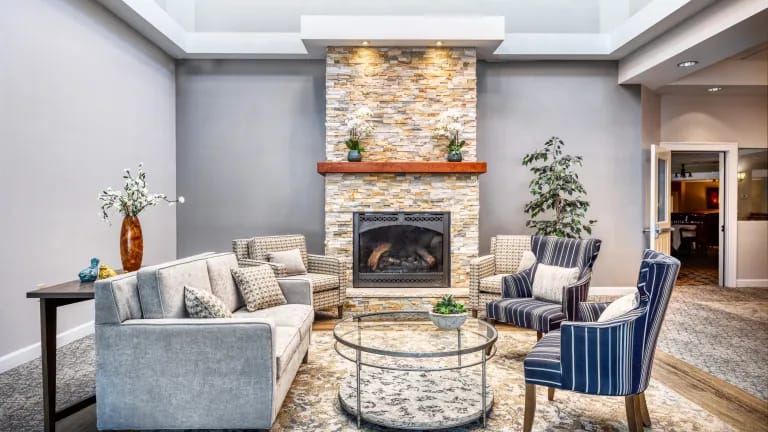
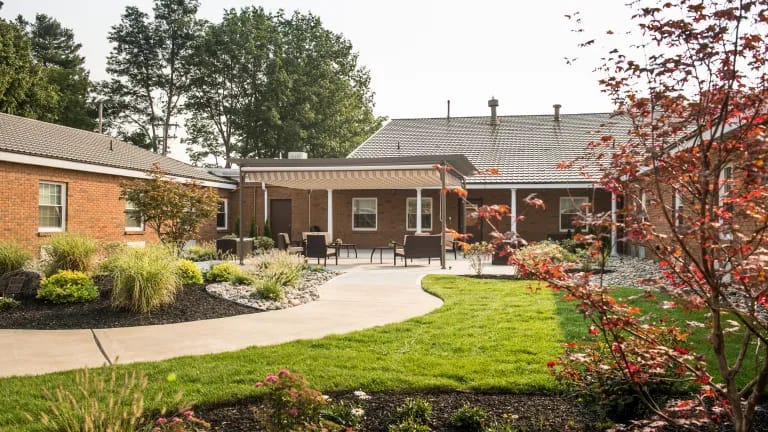
Families can choose from Medicaid, Medicare, and private pay to cover care costs. Nurse staffing averages 3 hours and 41 minutes per resident each day. The care team is composed of registered nurses, nurse aides, and licensed practical nurses. This level of staffing helps provide consistent hands-on support and clinical oversight.
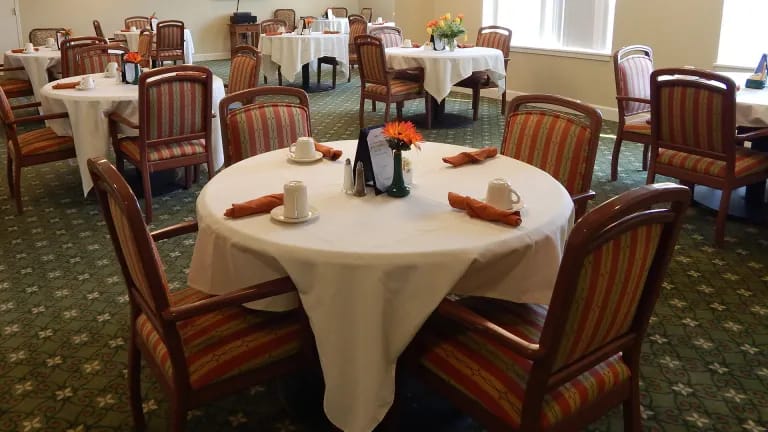
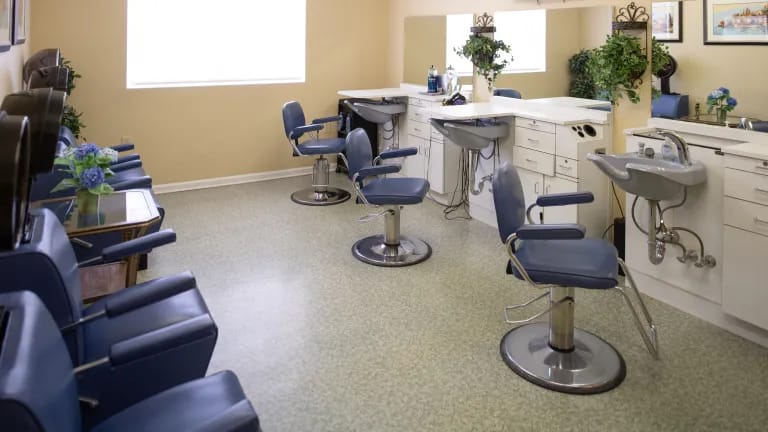
Rehabilitation services are included in the home’s care offerings, supported by treatment rooms for ongoing clinical needs. Residents have access to a bright, spacious dining room where they can gather for meals. Additional amenities include a beauty shop, laundry services, comfortable visiting areas with televisions, an outdoor patio, and a kitchenette for residents and visiting family members.
State inspections by the New York Department of Health have focused on areas such as documentation practices, discharge procedures, infection control, life safety requirements, and health reporting standards. The home has been responsive when issues are identified and has addressed them promptly.
Families considering Penn Yan Manor should take a tour of the facility to meet the care team and see whether the home’s size, setting, and approach are a good fit for their loved one’s needs.
Overview of Margaret Tietz Nursing and Rehabilitation Center
Operated by Chapin Acquisition I, LLC under owner Kwang Lee, Margaret Tietz Nursing and Rehabilitation Center is a 200-bed skilled nursing and rehabilitation facility. Medicaid and private pay give families multiple ways to cover both short-term post-acute rehabilitation and longer-term skilled nursing care. The facility has 92% occupancy, with residents staying an average of 97 days. The population is a mix of short-term rehabilitation patients and those receiving ongoing nursing care.
The center provides 24-hour skilled nursing care and specialized rehabilitation programs, including cardiac rehabilitation and enteral nutrition therapy. Daily nursing care is an average of 2 hours and 36 minutes per resident. Registered nurses offer 1 hour and 19 minutes of daily care, nurse aides provide 2 hours and 2 minutes, and licensed practical nurses offer additional daily support. The staffing structure supports residents recovering from surgery, illness, or hospitalization.
The neighborhood has a Walk Score of 60, meaning it’s moderately walkable. Some errands in the neighborhood can be accomplished on foot, but many others will require transportation.
Meals are available to residents based on their dietary needs and preferences. On-site amenities include a beauty parlor and religious services for all denominations. The community offers a family transportation program, therapeutic recreation, pet visitation, and planned trips and entertainment so residents can socialize.
A 112-bed SNF in upstate New York operated by 1 Bethesda Drive Operating Company LLC is Elderwood at Hornell. It welcomes Medicare, Medicaid, and private pay to provide wide coverage routes for families planning short-term rehabilitation or longer-term care. With an 89 percent occupancy rate, averaging a stay length of about 109 days, the facility serves a blend of post-acute patients and those needing ongoing nursing care.
The facility highlights rehabilitation across multiple specialties: subacute rehabilitation, cardiac recovery, and orthopedic rehab are core programs, anchored by dedicated long-term care therapy, adult day services, and palliative care. Secure memory care exists for residents with advanced dementia. Total nursing care averages roughly 3 hours 13 minutes per resident day, with registered nurses providing 39 minutes of direct care daily. This level of staffing mirrors a dedication to diligent clinical support all day. The setting features a bright, spacious rehabilitation gym with modern equipment to bolster therapy goals. Rooms are available in private and semi-private configurations, and daily housekeeping and laundry services support residents’ comfort. Social activities and lively programming keep daily life engaged, and there’s Wi-Fi building-wide. The dining program provides pleasant meal experiences. The memory care unit is built to meet the specific needs of occupants with cognitive decline. Families should know that the car-dependent location requires a vehicle for most errands.
Care planning and environmental maintenance improvements over time have been documented by state inspections. The facility accepted and resolved deficiency citations promptly, and recent years show no substantiated complaints.
For those evaluating care options, touring in person can clarify room layouts, therapy programs, and the community’s daily culture.
Cortlandt Manor sits in the northern stretch of Westchester County, about as far from urban density as the county gets. Cortlandt Healthcare is there at 110 Oregon Road, and the Walk Score of 2 makes the geography plain: you need a car to get anywhere.
The facility itself is a 120-bed nursing home, currently 95 percent full with 114 beds occupied. The average stay runs 113 days, which puts it solidly in the middle ground between a quick post-surgical rehab stay and a longer-term placement. Rehabilitation services, respite care, and short-term rehab are the confirmed clinical programs. Specialty tracks include Amputee Care, Orthopedic Rehabilitation, True2Life, and Urban Zen. Concierge services are also listed.
Fine dining, room service, coffee and snacks available throughout the day, and an on-site beauty salon are all confirmed. For a skilled nursing facility, that is a more developed hospitality offering than most.
Nursing staffing totals 2 hours and 42 minutes per resident per day. Registered nurses account for 28 minutes, LPNs 52 minutes, and nurse aides 2 hours and 2 minutes. State oversight is handled by New York’s Department of Health, Office of Aging and Long Term Care. Inspections here have tended to focus on medication management, infection prevention and control, fire-safety systems, and emergency preparedness.
Cortlandt Healthcare accepts Medicare, Medicaid, and private pay. Operated by Cortlandt Operations, LLC, this is a rural Westchester nursing home with a specialty rehabilitation program and a noticeably elevated amenity profile, a combination that makes most sense for residents who prioritize on-site services and are not dependent on walkable surroundings.
Every nursing home above is evaluated across five weighted categories using CMS data including Care Compare, Payroll-Based Journal, and Medicare Cost Reports.
How we're paid:If we help you find a home and you move in, that home may pay us a referral fee. This never affects where they rank or what you pay. Learn more
Frequently Asked Questions about Nursing Homes in New York State
What's the difference between assisted living and a nursing home in New York State?
Assisted living in New York State is a residential model focused on housing, hospitality, and help with daily activities. Nursing homes (skilled nursing facilities) provide 24/7 medical care from licensed nurses for residents with significant health needs, and are regulated more strictly under both state and federal CMS rules.
Does New York State Medicaid cover nursing home care?
Yes — New York State Medicaid covers nursing home care for residents who meet income, asset, and medical-need eligibility requirements. Most CMS-certified nursing homes accept Medicaid as a primary payer once long-term-care eligibility is established.
What is nursing home care?
Nursing homes (also called skilled nursing facilities) provide 24/7 medical care from licensed nurses, rehabilitation services, and long-term custodial care for residents with significant health or functional needs.
How many nursing homes are listed on this page?
This page features 457 nursing homes in New York State. Use the filters and comparison tools above to compare ratings, amenities, and pricing.
How do I choose the right nursing home in New York State?
Start by matching the level of care offered to the resident's current and anticipated needs, then compare licensing status, staff-to-resident ratios, recent inspection results, and pricing. Tour at least two or three communities in New York State, talk to current residents and families, and confirm what is included in the base rate versus billed as add-on services.
What should I look for when visiting nursing homes in New York State?
Pay attention to staff interactions with residents, cleanliness and odor, food quality at meal times, the activity calendar, and how questions about pricing and care plans are answered. Ask to see the most recent state inspection report, the move-out / level-of-care-change policy, and a sample monthly bill that lists every fee.
If you move into a community through us, that community may pay us a referral fee. This never changes your cost or which options we recommend. Learn more
Need Help?
Let us help you or a loved one find the perfect senior home.